





















How Can Companies Build a Strong Cybersecurity Culture in 2025 and Beyond?
Picture this: a junior accountant receives an urgent email from the CEO asking to transfer $180,000 to a new vendor. The email looks real, the tone is familiar, and the accountant wants to help. Within minutes, the money is gone. The company had the best firewalls, endpoint protection, and multi-factor authentication. None of it mattered because the culture said, “Get things done quickly and don’t bother busy people with questions.” This story repeats itself thousands of times every year. The truth is simple: technology alone cannot protect a company. The strongest defense is a workforce that thinks, acts, and breathes security every day. That is what a real cybersecurity culture looks like, and it is no longer optional. It is the foundation of modern resilience. Here is how any organization, big or small, can build and sustain that culture.
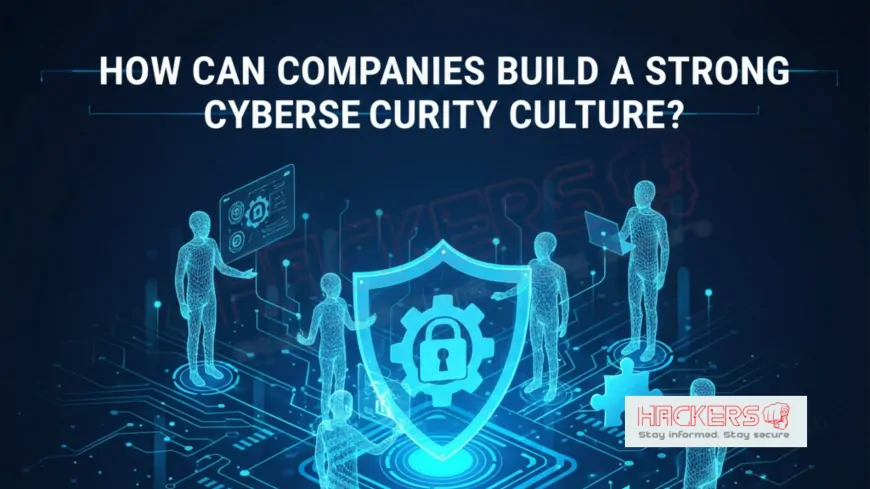
Table of Contents
- What Cybersecurity Culture Really Means
- Why Most Companies Fail to Build It
- Leadership Sets the Tone (Always)
- Seven Core Principles of a Strong Security Culture
- Practical 10-Step Plan to Build It
- How to Measure Your Culture (Yes, You Can)
- Real-World Examples of Success and Failure
- Conclusion: Culture Is Your Last Line of Defense
What Cybersecurity Culture Really Means
Cybersecurity culture is not posters on the wall or a once-a-year training video. It is the shared belief that everyone in the organization plays a role in keeping the company safe, and that security supports the business, it does not block it.
When culture is strong, employees do not see security as “IT’s job.” They report suspicious emails without fear of looking silly. They use password managers without being forced. They ask questions when something feels off. That mindset turns every person into a human sensor.
Why Most Companies Fail to Build It
- Treating security as a technology problem instead of a people problem
- Leadership that says “security is important” but never shows it
- Punishing people for honest mistakes instead of learning from them
- Making security painful (long passwords, broken tools, slow approvals)
- Running boring, checkbox training that everyone hates
- Measuring success by “zero incidents” instead of positive behaviors
Leadership Sets the Tone (Always)
Employees watch what leaders do, not what they say. If the CEO brags about bypassing the VPN when traveling, the message is clear: rules are for other people. If the CFO publicly celebrates the team member who spotted a fake invoice, the message is equally clear: caution is rewarded.
“Culture is what happens when the boss leaves the room.”
Every security leader knows this saying, and it is 100% true.
Seven Core Principles of a Strong Security Culture
| Principle | What It Looks Like in Practice |
|---|---|
| Shared Responsibility | Everyone from intern to CEO knows they own part of security |
| Trust and Psychological Safety | Reporting mistakes or suspicions is praised, never punished |
| Simplicity Wins | Tools and rules are easy to follow; complexity is the enemy |
| Positive Reinforcement | Good behavior gets public recognition and small rewards |
| Continuous Learning | Short, engaging, real-world training happens monthly, not yearly |
| Visibility from the Top | Executives talk about security in every town hall and follow the same rules |
| Integration into Daily Work | Security is part of onboarding, performance reviews, and team goals |
Practical 10-Step Plan to Build a Strong Security Culture
- Get visible, vocal commitment from the CEO and board
- Appoint “security champions” in every department (volunteers who love helping)
- Replace annual training with short monthly micro-learning and simulations
- Reward people publicly for reporting phishing or spotting risks
- Make reporting suspicious activity one-click easy
- Remove friction: enforce password managers, roll out passkeys, enable auto-updates
- Run “no-blame” incident reviews that focus on learning
- Add security questions to every employee survey
- Celebrate wins: “This month we blocked 1,247 phishing emails thanks to your reports”
- Measure progress with simple metrics (see next section)
How to Measure Your Cybersecurity Culture
Yes, culture can be measured. Here are proven metrics top companies track:
- Phishing click rate and reporting rate (aim for reporting >70% and clicks <5%)
- Time to report suspicious emails (faster is better)
- Percentage of employees using password managers
- Employee survey scores on “I feel safe reporting mistakes” and “Security helps me do my job”
- Number of security champions and their activity
- Participation rate in training and simulations
Real-World Examples of Success and Failure
Google runs one of the best programs in the world: monthly phishing tests, instant feedback, public leaderboards, and small prizes. Their click rate is below 1%.
A European bank fired an employee for failing a phishing test. Word spread fast. Reporting of real phishing dropped 80% overnight because no one wanted to risk their job.
Netflix sends fake phishing emails and immediately congratulates anyone who reports them with a “You Win!” message and a $50 gift card. Their reporting rate is over 90%.
Conclusion: Culture Is Your Last Line of Defense
Tools break. Attackers evolve. Policies get outdated. But a strong security culture adapts every day because thousands of human brains are watching, thinking, and caring.
Start small: get leadership on board, run one good phishing simulation with positive feedback, and celebrate the first person who reports it. Momentum builds quickly.
When security stops feeling like a burden and starts feeling like something we all do together, you have built a culture. And once that happens, even the most sophisticated attackers will look for an easier target.
What is cybersecurity culture?
It is the shared belief that every employee plays an active role in protecting the organization, and that security enables the business rather than blocking it.
How long does it take to build a strong security culture?
You can see meaningful improvement in 6-12 months with consistent effort. Deep, lasting culture usually takes 2-3 years.
Does company size matter?
No. Small startups often build stronger cultures faster because communication is easier and everyone sees the impact.
Who is responsible for building the culture?
Everyone, but it starts at the top. Without visible leadership support, nothing else works.
Is security awareness training enough?
No. Training is just one small piece. Behavior change needs reinforcement, rewards, and easy tools.
Should we punish employees who click phishing tests?
Never for honest mistakes. Punishment destroys trust and drives reporting underground.
How often should we run phishing simulations?
Monthly or quarterly for most companies. High-risk industries (finance, healthcare) often do it monthly.
What is a security champion program?
A network of volunteer employees from different departments who promote good habits and act as local points of contact.
Can we buy a ready-made security culture program?
You can buy tools and content, but culture cannot be bought. It has to be grown inside your organization.
Do remote and hybrid teams make culture harder?
They make communication harder, but many remote-first companies have excellent cultures because they over-communicate and celebrate wins publicly.
What is the biggest mistake companies make?
Treating security as an IT problem instead of a company-wide value.
Should security be part of performance reviews?
For managers, yes. Following policies and promoting good behavior should be part of leadership expectations.
How much does a strong culture cost?
Far less than a single major breach. Most effective actions (recognition, champions, short training) are low-cost or free.
Can we ever have perfect security culture?
No one is perfect, but you can reach a point where risky behavior is rare and reporting is the norm.
Do employees really care about security?
Most do when they understand the risk to their own jobs and when they see leaders taking it seriously.
What is psychological safety in cybersecurity?
The feeling that you can speak up about a possible threat or mistake without fear of blame or ridicule.
Is gamification helpful?
Yes, when done well. Leaderboards, badges, and small rewards make learning fun and encourage participation.
Can culture prevent ransomware?
It cannot stop every attack, but strong culture dramatically reduces the chance of the initial click or credential compromise that starts most ransomware incidents.
What is the ROI of a strong security culture?
Companies with mature cultures experience 70-90% fewer successful phishing attacks and significantly lower breach costs.
Where should a company start today?
Get the CEO to send one company-wide email saying, “If something looks suspicious, please report it. You will never be in trouble for checking.” That single action changes everything.
What's Your Reaction?