

































Why the Morris Worm Forced Governments to Create Cyber Laws
Imagine a world where breaking into a computer was not clearly illegal. That was the reality until November 1988. A single program written by a 23-year-old graduate student changed everything. The Morris Worm did not steal money or secrets. It simply spread too fast and brought thousands of computers to a halt. Within days, universities, military bases, and research labs were paralyzed. Lawmakers suddenly realized there was no clear law to punish the person responsible, even though the damage cost millions. That panic led to the first real cybercrime laws in the United States and around the world. This blog post tells the full story of how one accidental worm became the spark that forced governments to treat computer networks as something worth protecting by law.

Table of Contents
- The World Before November 1988: Almost No Cyber Laws
- November 2–3, 1988: The Worm Strikes
- The Big Legal Problem: “He Didn’t Steal Anything”
- The 1986 CFAA: Good, but Not Good Enough
- Congress Reacts: Closing the Gaps Fast
- The Morris Trial: First Person Ever Convicted for a Worm
- The Global Wave: Other Countries Follow Quickly
- Long-Term Effects We Still Live With Today
- Timeline: From Worm to Worldwide Laws
- Conclusion
- Frequently Asked Questions
The World Before November 1988: Almost No Cyber Laws
Before 1988, most countries treated computers like any other machine. If you physically damaged one, that was vandalism. If you stole data on paper printouts, that was theft. But simply logging into a computer you were not supposed to use? In many places, that was not clearly a crime. The United States had passed the Computer Fraud and Abuse Act (CFAA) in 1986 after the movie WarGames scared politicians, but it was narrow. It mainly covered government and bank computers, and it required proof of intent to cause damage or steal. A harmless but reckless program did not fit neatly into any law.
November 2–3, 1988: The Worm Strikes
Robert Tappan Morris released his worm from MIT on November 2. By the morning of November 3, about 6,000 machines (10% of the entire internet) were infected or deliberately disconnected. NASA, the Pentagon, major universities, and hospitals lost access to their systems. The cleanup cost millions of dollars in staff time alone. Newspapers called it the worst computer disaster ever.
The Big Legal Problem: “He Didn’t Steal Anything”
When investigators traced the worm back to Cornell, they faced a nightmare. Morris had not stolen money, secrets, or passwords. He had not deleted files. He only made computers slow by accident. Prosecutors asked: What crime did he actually commit? Trespassing laws were for physical buildings, not networks. Copyright law did not apply. Traditional theft statutes required taking something away. The worm just copied itself. Law enforcement realized the existing laws had huge holes.
The 1986 CFAA: Good, but Not Good Enough
The 1986 Computer Fraud and Abuse Act made it illegal to access certain protected computers “without authorization” or “exceeding authorized access.” The problem was wording. Courts later argued over what “damage” meant and whether slowing a computer counted. The Morris case became the perfect test.
Congress Reacts: Closing the Gaps Fast
Lawmakers moved quickly. Within months of the worm, Congress began hearings. Experts testified that the internet growth would explode and that new laws were needed before worse attacks happened. The result was several amendments that strengthened the CFAA and made “intentional unauthorized access” with reckless disregard for damage clearly illegal. These changes passed almost unanimously.
The Morris Trial: First Person Ever Conviction for a Worm
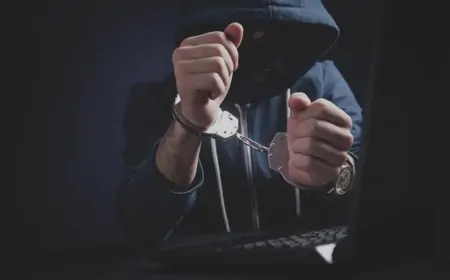
In 1990, Robert Morris became the first person convicted under the CFAA for releasing a worm. He was sentenced to three years probation, 400 hours of community service, and a $10,050 fine. No prison time. Many in the research community felt the punishment was too harsh for an experiment gone wrong, but the message was clear: releasing self-spreading code, even without malicious intent, could send you to court.
The Global Wave: Other Countries Follow Quickly
The Morris Worm made headlines worldwide. Other governments took notice:
- 1989 – United Kingdom passed the Computer Misuse Act.
- 1990 – Germany, Canada, and Australia created or updated computer crime laws.
- 1993 – Council of Europe began work that eventually led to the Budapest Convention on Cybercrime (2001).
Almost every modern cybercrime law on the planet can trace its family tree back to the panic caused by one student’s worm.
Long-Term Effects We Still Live With Today
- The CFAA (with Morris-era amendments) is still the main U.S. cybercrime law.
- “Unauthorized access” became a crime even if no data is stolen.
- Governments created computer crime units inside police forces.
- Companies started writing “acceptable use” policies and requiring employees to sign them.
- Ethical hacking and penetration testing became legal with permission.
Timeline: From Worm to Worldwide Laws
| Year | Event | Legal Impact |
|---|---|---|
| 1986 | Original CFAA passed (USA) | Narrow law, mostly government computers |
| Nov 1988 | Morris Worm released | Exposed huge legal gaps |
| 1989 | Congress begins CFAA hearings | Lawmakers move quickly |
| 1989 | UK Computer Misuse Act | First major law outside USA |
| 1990 | Morris convicted | First CFAA worm conviction |
| 1994 / 1996 | Major CFAA amendments | Closed loopholes from Morris case |
| 2001 | Budapest Convention | First international cybercrime treaty |
Conclusion
The Morris Worm was not created to hurt anyone, yet it caused more legal change than any deliberate attack before or since. Governments suddenly understood that networks were becoming critical infrastructure, and the law had to catch up. Within a few years, almost every country on earth had a law making unauthorized computer access a crime. The next time you read about a hacker being arrested for “violating the CFAA,” remember it all started with one student’s experiment that accidentally broke the internet for a few days in 1988. That single event turned computer security from a technical hobby into a matter of national law.
What law was used to prosecute Robert Morris?
The Computer Fraud and Abuse Act (CFAA) of 1986, as amended after the worm.
Did Morris go to prison?
No, he received probation, community service, and a fine.
Was the Morris Worm the reason the CFAA exists?
No, the CFAA existed since 1986, but the worm forced major improvements.
Which country passed the first computer crime law after the worm?
The United Kingdom with the Computer Misuse Act in 1989–1990.
Why couldn’t they charge Morris with theft?
He did not take or delete anything; he only made computers slow.
What does “unauthorized access” mean today?
Using a computer or network without permission, even if no harm is intended.
Did the Morris case create the idea of “harm” in cyber law?
Yes, courts decided that wasting resources and staff time counts as harm.
Are the Morris-era laws still used?
Yes, the U.S. CFAA with 1988–1996 amendments is still the main law.
Did other countries copy the U.S. law?
Many did, and the Budapest Convention spread similar rules globally.
Was Robert Morris the first person ever charged for a computer crime?
No, but he was the first for releasing a worm on the internet.
Did the worm change how companies hire?
Yes, it created demand for professional security teams and policies.
Why was the worm so scary to governments?
It showed one person could disable critical systems nationwide.
Did the worm affect regular home users?
Almost none; only research Unix machines were hit.
Is the CFAA controversial today?
Yes, some say it is too broad and punishes researchers.
Did Morris regret releasing the worm?
He has said it was a mistake and never intended harm.
What happened to Robert Morris later?
He became a tenured professor at MIT and co-founded a successful company.
Do we still patch software faster because of the worm?
Absolutely; rapid patching culture started after 1988.
Was the worm called “Morris Worm” from the beginning?
No, newspapers first called it the “Internet Virus.”
Did the worm lead to international cooperation?
Yes, it helped start talks that became the Budapest Convention.
What is the biggest lesson from the Morris case?
Law must evolve as fast as technology, or society pays the price.
What's Your Reaction?