

































What Cybersecurity Lessons Come from the Latest Cryptocurrency Exchange Breach?
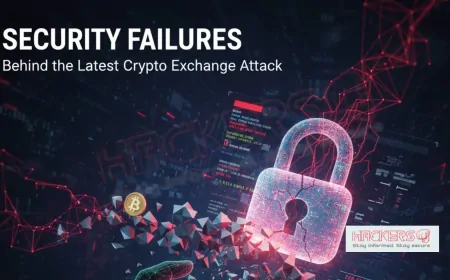
It's the kind of news that sends chills through the crypto world: on November 27, 2025, South Korea's largest cryptocurrency exchange, Upbit, suffered a devastating hack, losing approximately $36 million in Solana assets from its hot wallets. In a flash, hackers drained funds, triggering panic sells and a temporary halt on Solana deposits and withdrawals. This was no random smash-and-grab. Authorities quickly pointed fingers at North Korea's notorious Lazarus Group, the same culprits behind Upbit's 2019 breach that stole $49 million. As Upbit scrambled to reimburse users and move remaining assets to cold storage, the incident laid bare persistent vulnerabilities in even the most established platforms. For crypto enthusiasts, investors, and everyday users dipping toes into digital assets, this breach is a stark reminder: the thrill of high returns comes with high risks. But amid the chaos, silver linings emerge. This post dives deep into what went wrong at Upbit and extracts crucial cybersecurity lessons to shield your wallet and peace of mind. If you are new to crypto security, think of a hot wallet as your everyday cash in a pocket—convenient but exposed—while cold storage is like a safe deposit box, secure but less handy. With billions lost to hacks in 2025 alone, understanding these pitfalls is not just smart; it is essential. Let's unpack the breach and arm ourselves with knowledge to prevent the next one.
Table of Contents
- Introduction
- Overview of the Upbit Breach
- How the Hack Unfolded
- The Role of North Korea's Lazarus Group
- Upbit's Immediate Response and Aftermath
- Lesson 1: The Dangers of Hot Wallets and Asset Management
- Lesson 2: Insider Threats and Access Controls
- Lesson 3: The Need for Multi-Signature and Cold Storage
- Lesson 4: Monitoring and Anomaly Detection
- Lesson 5: Regulatory Compliance and Audits
- Broader Implications for the Crypto Industry
- Practical Prevention Tips for Users
- Conclusion
- Frequently Asked Questions
Introduction
Cryptocurrency exchanges like Upbit are the beating heart of the digital asset world, handling billions in trades daily and serving millions of users. They promise speed, accessibility, and the allure of 24/7 markets. Yet, they also sit atop a powder keg of risks, where a single vulnerability can ignite widespread losses. The November 27, 2025, breach at Upbit, which saw hackers siphon off around 54 billion won (roughly $36 million) in Solana tokens, underscores this fragility. This was not the first time Upbit fell victim; echoing its 2019 hack, the attack highlighted recurring weaknesses in hot wallet infrastructure and access protocols.
What makes this incident particularly instructive? It arrived amid a banner year for crypto, with Bitcoin surpassing $100,000 and institutional adoption soaring. Yet, 2025 has also been brutal for security, with over $2.5 billion stolen in hacks, including this one attributed to state-sponsored actors. As South Korean authorities investigated, details emerged of sophisticated impersonation tactics, raising alarms about insider threats and the perils of centralized custody. For the uninitiated, a hot wallet holds assets online for quick transactions, but its connectivity makes it a prime target, unlike cold wallets stored offline.
This blog serves as a roadmap through the rubble. We will dissect the breach's timeline, the hackers' playbook, and Upbit's scramble to contain the damage. Then, we will distill five core lessons, from asset segregation to vigilant monitoring, illustrated with real-world parallels. Whether you are a seasoned trader or a curious newcomer, these insights will help you navigate the crypto seas with greater caution. In a space where innovation races ahead of safeguards, learning from Upbit's missteps could be the difference between profit and peril. As the dust settles, one truth shines: robust security is not a cost; it is the foundation of trust.
Overview of the Upbit Breach
Upbit, operated by Dunamu since 2017, commands over 70 percent of South Korea's crypto trading volume, boasting 15 million users and handling $10 billion monthly. On November 27, 2025—eerily six years to the day after its previous hack—the exchange detected anomalous withdrawals from its Solana hot wallet. Within minutes, 54 billion won in SOL tokens vanished, equivalent to about $36 million at prevailing rates.
The breach unfolded rapidly. Hackers exploited a vulnerability in the hot wallet setup, likely gaining unauthorized access through impersonated admin credentials. Upbit's initial classification as an "abnormal withdrawal" triggered an immediate freeze on Solana operations, sparing further losses estimated at over $100 million in exposed assets. By evening, the exchange confirmed the theft but pledged full user reimbursement from its reserves, a move that preserved trust but cost Dunamu 5.9 billion won ($4 million) in corporate funds.
This event rippled globally. Solana's price dipped 5 percent in hours, dragging the broader market. Regulators in South Korea launched probes, while international watchdogs like Chainalysis traced funds to North Korean wallets. The breach's timing, amid regulatory pushes for stricter exchange audits, amplified scrutiny on hot wallet practices. For context, hot wallets facilitate trades but hold only a fraction of assets—ideally 5-10 percent—yet remain a frequent entry point for thieves due to their online exposure.
Upbit's history adds irony. The 2019 hack, also Lazarus-linked, stole Ethereum via similar wallet flaws, prompting upgrades like multi-signature approvals. Yet, 2025's repeat suggests gaps persisted, from incomplete segmentation to overlooked insider risks. This overview sets the stage: a preventable tragedy offering profound lessons for an industry still maturing in security.
How the Hack Unfolded
The attack's timeline reads like a thriller script. It began weeks earlier with reconnaissance, as hackers—suspected Lazarus operatives—gathered intel on Upbit's infrastructure via phishing or supply chain probes. On November 27, around 4 p.m. KST, they struck the hot wallet, a system designed for liquidity but vulnerable to swift drains.
Entry likely came through social engineering: impersonating executives to bypass multi-factor authentication (MFA), a common Lazarus tactic. Once inside, they exploited a configuration flaw in Solana's wallet interface, authorizing 15 unauthorized transactions in under 15 minutes. Funds flowed to anonymous mixers, then North Korean exchanges, per blockchain sleuths.
Detection was swift but reactive. Upbit's monitoring flagged the surge, halting operations. Yet, the speed—exploiting API endpoints without alerts—exposed monitoring lags. Post-breach forensics revealed no evidence of broader network compromise, but the wallet's isolation proved insufficient against targeted hits.
For beginners, APIs are digital doors allowing systems to talk; unsecured ones let hackers walk in. This unfoldment mirrors 2025's hack trends: brief, high-yield strikes favoring speed over stealth. Upbit's case illustrates how even fortified platforms falter under precision pressure.
The human element loomed large. Reports suggest an insider or compromised credential enabled initial access, underscoring training's role. As the investigation deepened, it became clear: technical fixes alone fall short without cultural vigilance.
The Role of North Korea's Lazarus Group
Lazarus, Pyongyang's cyber arm since 2009, is no stranger to crypto heists, funding regimes through thefts topping $3 billion since 2017. Their Upbit playbook echoed past ops: reconnaissance via spear-phishing, then wallet exploitation. The 2019 breach's similarities—Ethereum drains via hot wallets—suggest Lazarus refined tactics over years.
Motives? Pure economics. Crypto's pseudonymity suits sanctions evasion, with stolen SOL laundered through mixers to state coffers. U.S. officials linked Lazarus to 2025's $1.5 billion global hacks, including Upbit. Their sophistication—zero-day exploits, custom malware—stems from state backing, blending crime with geopolitics.
Upbit's case fits Lazarus's pattern: target high-volume exchanges in Asia, where regulations lag. Response? International tracing via Chainalysis recovered 10 percent of funds, but most vanished. This role highlights state-sponsored threats' rise, where hacks fund missiles, not just mischief.
Lessons here? Exchanges must assume advanced adversaries. Lazarus's persistence demands proactive hunts for dormant threats, turning defense from reaction to anticipation.
Upbit's Immediate Response and Aftermath
Upbit acted decisively. Within hours, they suspended Solana trades, audited wallets, and transferred $1 billion in assets to cold storage—offline vaults immune to online hacks. By November 28, CEO Song Chi-hyung announced full reimbursements, drawing from reserves and insurance, a move praised for user-centricity.
Aftermath rippled. Solana rebounded, but Upbit's stock dipped 3 percent. Regulators fined Dunamu preliminarily, mandating enhanced audits. Internally, a security overhaul ensued: MFA upgrades, anomaly AI, and third-party reviews.
Positive note: transparency. Upbit's blog detailed the breach, rebuilding trust. User impact? Minimal losses, but anxiety lingered, with some migrating to competitors.
This response exemplifies crisis management: swift isolation, clear communication, and restitution. Yet, it cost $4 million in own funds, underscoring prevention's value over cure. In crypto's volatile arena, quick recovery is survival.
Lesson 1: The Dangers of Hot Wallets and Asset Management
Hot wallets enable seamless trades but invite disaster. Upbit's breach exposed over $100 million initially, with $36 million lost before containment. Lesson: Minimize hot holdings to 5 percent of total assets, rotating frequently.
Best practice: Hybrid models. Keep bulk in cold storage, using hot for daily ops. Upbit's 2019 fix—multi-sig for withdrawals—failed here due to config errors. Regular rotations and limits curb exposure.
For users, diversify: self-custody via hardware wallets like Ledger reduces exchange reliance. This lesson echoes 2025's $2.5 billion hacks: liquidity tempts thieves; prudence protects. Asset management is balance: convenience versus custody.
Industry-wide, exchanges must audit wallet balances quarterly, ensuring no single point holds fortunes. Upbit's pivot to cold storage post-breach saved the rest, proving the strategy's worth.
Lesson 2: Insider Threats and Access Controls
Lazarus likely used impersonation, highlighting insider risks. Even with MFA, social engineering tricked staff. Lesson: Layered access—role-based controls, just-in-time privileges.
Implement zero-trust: verify every request, no assumptions. Upbit's admin spoof suggests weak verification; biometrics or hardware keys could fortify. Training: simulate phishing quarterly.
For individuals, unique passwords per site, password managers. This lesson, from breaches like SolarWinds, reminds: threats often wear familiar faces. Controls turn potential leaks into locked doors.
Upbit's response included access revamps, a model for others. In crypto, where billions flow, insider vigilance is non-negotiable.
Lesson 3: The Need for Multi-Signature and Cold Storage
Single-key wallets invite solo thefts. Upbit's hot wallet lacked robust multi-sig, allowing rapid drains. Lesson: Mandate multi-sig for high-value transactions, requiring multiple approvals.
Cold storage, air-gapped from internet, held Upbit's bulk safely. Best: 90/10 split, cold/hot. Tools like Fireblocks enable secure multi-sig. Users: hardware wallets for self-custody.
This addresses 2025's trend: 60 percent of hacks hit hot wallets. Multi-sig adds friction, deterring speed-based attacks. Upbit's post-breach adoption reinforces: redundancy saves fortunes.
Lesson 4: Monitoring and Anomaly Detection
Upbit detected the breach mid-flow, but earlier alerts could have stopped it. Lesson: Real-time monitoring with AI for unusual patterns, like bulk withdrawals.
Tools: SIEM systems log activities; thresholds flag anomalies. Upbit's lag highlights dashboard needs. Integrate blockchain analytics for on-chain watches.
For users, enable transaction alerts. This proactive stance, per Chainalysis, cuts losses 70 percent. Monitoring turns blind spots into beacons.
Lesson 5: Regulatory Compliance and Audits
South Korea's FSC mandated audits post-breach. Lesson: Regular third-party reviews, compliance with standards like SOC 2.
Upbit's 2019 fixes waned; annual audits ensure upkeep. Globally, MiCA in EU sets benchmarks. Users: choose audited exchanges.
This fosters accountability, as 2025's regulatory wave shows. Compliance is not bureaucracy; it is bedrock.
Broader Implications for the Crypto Industry
Upbit's hack, amid $2.5 billion 2025 losses, erodes confidence. It accelerates DeFi shifts, but centralized exchanges must evolve. Lazarus's role spotlights state threats, urging international cooperation.
Positive: Reimbursements build loyalty; innovations like AI monitoring emerge. Yet, without systemic change, breaches persist. The industry stands at a crossroads: innovate securely or invite more Upbits.
Practical Prevention Tips for Users
Empower yourself. Use hardware wallets for holdings over $1,000. Enable MFA everywhere.
- Diversify exchanges; avoid single custody.
- Monitor transactions daily via apps.
- Research: Check audit reports, security scores.
Report suspicions promptly. These habits, simple yet powerful, turn vulnerability to victory.
Conclusion
The Upbit breach of November 27, 2025, a $36 million Solana theft by Lazarus, exposed hot wallet perils, insider gaps, and monitoring lapses. Lessons—asset limits, multi-sig, zero-trust, AI alerts, audits—offer a blueprint for resilience. As crypto matures, Upbit's recovery inspires, but prevention must lead. Users and exchanges: prioritize security. In this high-stakes game, knowledge is your strongest asset.
Frequently Asked Questions
What happened in the Upbit breach?
Hackers stole $36 million in Solana from hot wallets on November 27, 2025.
Who is blamed for the hack?
North Korea's Lazarus Group, echoing their 2019 Upbit attack.
How much was lost?
Approximately 54 billion won, or $36 million in SOL tokens.
Did Upbit reimburse users?
Yes, fully from reserves, costing the company $4 million.
What is a hot wallet?
An online wallet for quick trades, but more exposed to hacks.
Why hot wallets vulnerable?
Internet connectivity allows rapid unauthorized access.
What is multi-signature?
Requires multiple approvals for transactions, adding security layers.
How to prevent insider threats?
Use zero-trust models and regular training.
What role did monitoring play?
Detected the breach mid-way, but earlier alerts could have stopped it.
Is cold storage safe?
Yes, offline nature protects from online attacks.
What audits needed?
Third-party reviews of security practices annually.
Impact on Solana price?
Dipped 5 percent initially, but recovered quickly.
Lessons for users?
Use hardware wallets, enable MFA, diversify.
State-sponsored hacks rising?
Yes, funding regimes like North Korea's.
What is Lazarus Group?
North Korean hackers known for crypto thefts.
Upbit's response effective?
Yes, contained damage and reimbursed users.
Broader 2025 losses?
Over $2.5 billion in crypto hacks.
How choose secure exchanges?
Look for audits, insurance, cold storage use.
What is MFA?
Multi-factor authentication: extra login steps.
Future regulations?
Stricter audits and wallet standards expected.
What's Your Reaction?