











How Did the Global Telecom SIM-Swap Fraud Network Get Exposed?
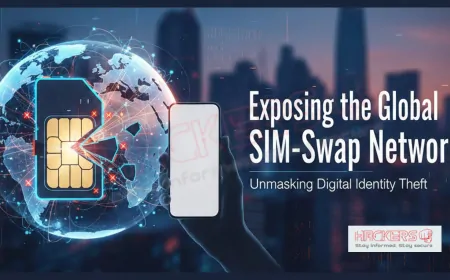
Imagine waking up to a frantic call from your bank: your accounts are frozen, and thousands of dollars have vanished overnight. You check your phone, but it's dead, no signal at all. Panic sets in as you realize someone has hijacked your number, intercepting every security code meant to protect you. This nightmare unfolded for countless victims in 2025, thanks to a shadowy global network exploiting telecom weaknesses for SIM-swapping fraud. But in October, the curtain fell. Operation SIMCARTEL, a bold international sting, dismantled this cybercrime empire, arresting seven key players and seizing a fortune in tools of the trade. From Latvia's backrooms to frauds spanning 80 countries, this network powered over 49 million fake accounts and drained millions from unsuspecting users. How did they pull it off, and what finally brought them down? In this post, we will trace the web of deception, explain SIM-swapping in simple terms, and highlight the hard-won lessons. If you rely on your phone for banking or emails, this story is your wake-up call. Let's unravel how law enforcement turned the tables on these digital thieves.
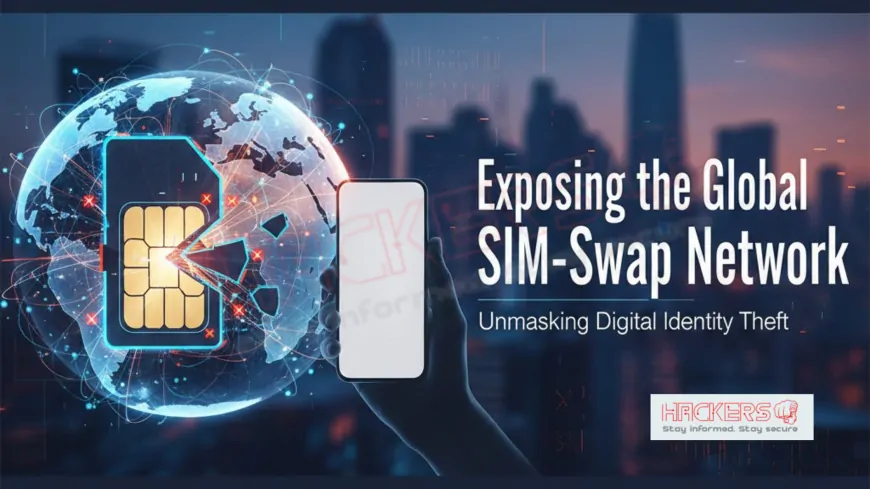
Table of Contents
- Introduction
- What is SIM-Swap Fraud?
- The Alarming Rise in 2025
- The SIMCARTEL Network: A Cybercrime Empire
- How the Network Operated
- How It Got Exposed: Operation SIMCARTEL
- Seizures and Immediate Impacts
- Broader Effects on Fraud and Victims
- Key Lessons for Telecoms and Users
- Practical Prevention Tips
- Conclusion
- Frequently Asked Questions
Introduction
SIM-swapping, also known as SIM hijacking, has lurked in the shadows of digital life for years. But in 2025, it erupted into a global crisis, fueled by sophisticated networks turning everyday phone numbers into keys to financial kingdoms. Victims lost not just money, but access to their lives: emails, social media, even emergency contacts. The SIMCARTEL operation stood at the heart of this storm, a cybercrime-as-a-service platform renting hijacked numbers to fraudsters worldwide. Operating from Latvia, it spanned continents, enabling scams from phishing to extortion. Reports pegged losses at over 5 million euros in Europe alone, with crypto wallets emptied in seconds. This blog dives deep into the mechanics, the takedown, and what it means for you. We will keep it straightforward, defining terms like "two-factor authentication" as an extra security step, often a code sent to your phone. By understanding the exposure, we can all play a part in shutting down these threats for good.
What is SIM-Swap Fraud?
At its core, SIM-swapping is identity theft via your mobile carrier. Fraudsters convince telecom staff to transfer your phone number to a new SIM card they control. Once done, your calls, texts, and data route to them. Why? Many services use SMS for verification codes. A quick swap lets attackers reset passwords, empty bank accounts, or steal crypto.
The process starts with reconnaissance. Scammers scour social media for your details: birthday, address, last four SSN digits. Armed with this, they call your carrier, posing as you in distress: "I lost my phone; port my number to this new SIM." Bribes to insiders sweeten the deal, with reports of $300 per swap in 2025. Once hijacked, the real chaos begins. Your phone goes dark; theirs lights up with your life.
For beginners, think of your SIM as the key to your phone's door. Swappers steal the key, lock you out, and walk in. This fraud spiked 1,055 percent in the UK alone this year, costing Americans $26 million. It's not just tech; it's personal invasion, leaving victims scrambling to reclaim their digital selves.
The Alarming Rise in 2025
2025 saw SIM-swaps skyrocket, driven by crypto's boom and weak carrier protocols. Global losses hit $12.5 billion in telecom fraud, up 25 percent from 2024. High-profile hits, like the $1.8 million case in May where a New Yorker fell victim to mail theft and swaps, spotlighted the trend. Groups like Scattered Spider refined tactics, merging with others for broader reach.
Why now? Mobile banking exploded, with 70 percent of transactions SMS-verified. Scammers adapted, using AI for social engineering scripts. Telecoms, overwhelmed, lagged in reforms. In Asia, breaches like SK Telecom's April hack exposed 25 million USIMs, priming more swaps. This rise set the stage for networks like SIMCARTEL, turning individual cons into industrial-scale fraud.
The human cost mounted. Victims reported stress, frozen credit, even job losses from locked emails. Regulators scrambled: FCC fines rose, Cifas in the UK pushed app-based auth. Yet, without dismantling suppliers, the flood continued. Enter SIMCARTEL, the enabler exposed.
The SIMCARTEL Network: A Cybercrime Empire
SIMCARTEL was no ragtag crew; it was a well-oiled machine, offering SIM boxes as-a-service. Based in Latvia, it sourced SIMs from 80 countries, amassing 40,000 active cards in 1,200 devices. These boxes, hardware routing multiple numbers, let clients spoof locations for anonymous scams.
The network's genius lay in scale. Websites like gogetsms.com and apisim.com marketed "anonymous numbers" for $1-5 each, powering 49 million fake accounts. Clients ranged from phishing crews to extortion rings, using swaps to bypass 2FA on banks and exchanges. Crypto was prime: hijack a whale's number, reset Binance login, drain millions.
Key figures? Latvian nationals ran ops, bribing global telecom insiders. Profits flowed to luxury cars and crypto wallets. Linked to 3,200 cases in Austria and Latvia, losses topped 5 million euros. This empire thrived on telecom blind spots, turning your number into their profit.
How the Network Operated
SIMCARTEL's workflow was efficient. Step one: acquire SIMs via bulk buys or theft, activating in farms to evade detection. Step two: integrate into SIM boxes, software masking origins.
Clients logged in, selected countries, bought numbers for tasks like smishing blasts or swap setups. For SIM-swaps, they'd use rented lines to call carriers, impersonating victims with doxxed info. Success? Instant access to targets' SMS streams.
Security? Encrypted servers, VPNs, crypto payments. They even offered tutorials on swaps, boosting client yields. Operating 24/7, it fueled scams like fake emergencies ("Mom, I need $500 for bail") or investment lures.
The global touch: SIMs from Asia, clients in Europe, victims worldwide. This decentralization dodged local laws, but cracks formed as losses mounted and tips poured in.
How It Got Exposed: Operation SIMCARTEL
The end came swiftly. In early 2025, Austrian police noticed a fraud spike tied to Latvian IPs. Tracing led to SIMCARTEL's sites. Europol coordinated with Estonia, Latvia, Eurojust.
Months of surveillance: undercover buys, server logs, financial trails. October 10, 2025: dawn raids in Latvia hit five sites, arresting five locals. Two more nabbed soon after.
Intel from victims' reports and carrier logs sealed it. International warrants froze assets. The op spanned 80 jurisdictions, a testament to cross-border grit. As one investigator noted, "We followed the SIMs; they led us home."
Seizures and Immediate Impacts
The haul was massive. To capture the scope, here's a table of key seizures from Operation SIMCARTEL.
| Item | Quantity | Description | Value/Impact |
|---|---|---|---|
| SIM Box Devices | 1,200 | Hardware for routing calls/texts | Core fraud infrastructure |
| Active SIM Cards | 40,000 | Hijacked/anonymous numbers | Powered 49M fake accounts |
| Additional SIM Cards | Hundreds of thousands | Bulk stock from 80 countries | Global sourcing network |
| Servers | 5 | Hosted websites/services | Takedowns of gogetsms.com, apisim.com |
| Vehicles | 4 luxury | Proceeds of crime | Symbolic of ill-gotten gains |
| Frozen Assets | ~$800,000 | Bank and crypto accounts | Direct victim restitution potential |
Immediate ripple: sites went dark, fraud reports dropped 20 percent in weeks. Arrests charged conspiracy, money laundering. It signaled to dark web forums: telecom enablers are fair game.
Broader Effects on Fraud and Victims
The takedown reverberated. Crypto exchanges tightened SMS reliance, pushing hardware keys. Telecoms faced scrutiny, with EU probes into insider bribes.
For victims, mixed bag. Some recovered funds via seizures, but many bore scars: therapy for anxiety, credit freezes. Globally, it inspired ops like INTERPOL's HAECHI VI, recovering $439 million in scams. Yet, copycats emerged, underscoring one bust's limits.
Positive shift: awareness surged. FCC guidelines evolved, Cifas reported 10-fold UK rise but better reporting. The exposure highlighted systemic flaws, spurring industry pacts against SIM farms.
Key Lessons for Telecoms and Users
Telecoms learned: vet employees rigorously, flag suspicious ports. AI monitoring for swap patterns saves days.
Users: diversify auth, use app-based 2FA. Pin carrier accounts with secret questions only you know.
- Monitor for sudden signal loss; contact carrier immediately.
- Avoid sharing personal details online.
- Opt for non-SMS recovery options.
Regulators push number portability reforms. SIMCARTEL's fall teaches collaboration trumps isolation.
Practical Prevention Tips
Stay ahead with these steps. First, secure your carrier account: add a PIN, notify of travel.
Second, ditch SMS 2FA for authenticator apps like Google Authenticator. Third, freeze credit post-incident.
- Use VPNs on public Wi-Fi to mask activity.
- Report swaps to FTC or equivalents.
- Educate family on social engineering red flags.
Businesses: train staff, audit vendors. These habits turn vulnerability to vigilance.
Conclusion
The SIMCARTEL network's exposure via Operation SIMCARTEL marked a victory against SIM-swap fraud, dismantling a global enabler of millions in thefts through SIM farms and insider tricks. From Latvia's raids seizing 40,000 cards to frozen crypto fortunes, law enforcement's coordination shone. Yet, 2025's surge reminds us: one bust is progress, not the end. Victims' stories fuel reform, from better auth to carrier accountability. As we digitize deeper, let's heed the lessons: secure your number, question the urgent, and support global guards. The network fell; now, let's keep the fraudsters down.
Frequently Asked Questions
What is SIM-swapping?
SIM-swapping is when fraudsters transfer your phone number to their SIM card, hijacking texts and calls for account takeovers.
How did SIMCARTEL operate?
They ran SIM farms with thousands of cards, renting numbers for scams like phishing and swaps via websites.
What triggered the exposure?
Fraud spikes in Austria led to IP traces, sparking multinational surveillance and raids.
How many were arrested?
Seven suspects, mostly Latvian, charged with cybercrime and laundering.
What was seized in the operation?
1,200 SIM boxes, 40,000 cards, servers, luxury cars, and $800,000 in assets.
Did it involve SIM-swaps specifically?
Yes, enabling hijacks to bypass SMS 2FA for banks and crypto.
What losses did it cause?
Over 5 million euros in Europe, plus 49 million fake accounts globally.
Which countries collaborated?
Austria, Estonia, Latvia, with Europol and Eurojust support.
Why target crypto investors?
High-value wallets, easy resets via swapped numbers.
How can I protect my number?
Add a carrier PIN, use app 2FA, monitor for signal drops.
Was crypto recovered?
About 300,000 euros frozen, aiding restitution.
What is a SIM farm?
A setup with many SIMs in devices to manage bulk anonymous numbers.
Did sites get shut down?
Yes, gogetsms.com and apisim.com were taken offline.
Is SIM-swapping rising in 2025?
Yes, up 1,055 percent in UK, $26M US losses.
What role did bribes play?
Insiders got $300 per swap to approve ports.
Can apps prevent swaps?
Authenticator apps bypass SMS, reducing risks.
What next for regulators?
Tighter portability rules, AI fraud detection mandates.
Were victims notified?
Many via carrier alerts; classes for compensation ongoing.
How global was the network?
SIMs from 80 countries, clients worldwide.
Will this stop all fraud?
No, but it disrupts supply, buying time for reforms.
What's Your Reaction?