









How Did Hackers Use QR Codes to Launch Large-Scale Financial Frauds?
Imagine walking into your favorite coffee shop, seeing a new "Scan to Pay" QR code sticker on the counter, and quickly scanning it with your phone to pay for your latte. Thirty seconds later, your banking app shows a $500 transaction you never approved. This is not science fiction. This is happening right now, all over the world, and the tool criminals are using is the humble QR code. What started as a convenient way to share links and make contactless payments has quietly become one of the most powerful weapons in a cybercriminal's arsenal. In the last three years alone, QR code scams (also known as "quishing") have exploded, costing victims hundreds of millions of dollars. Let's explore how this happened and, more importantly, how you can protect yourself.
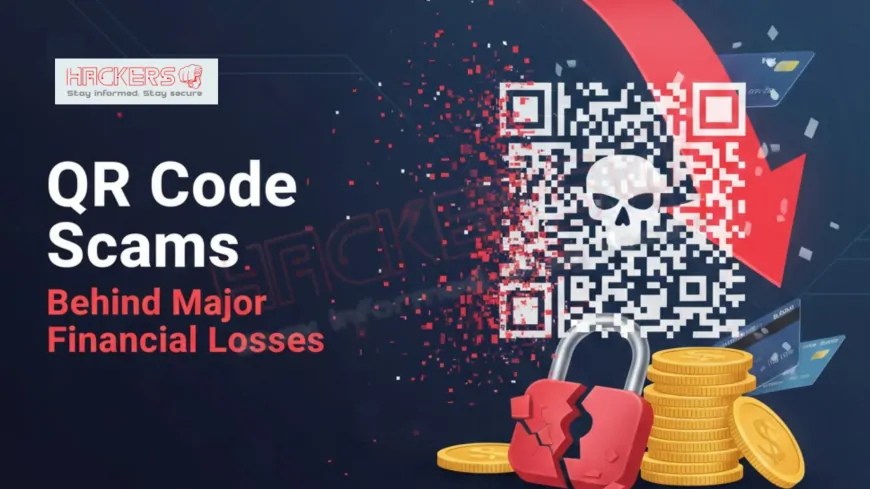
Table of Contents
- What Is a QR Code and Why Do We Trust It?
- How QR Code Fraud Works: The Basic Trick
- Real-World Large-Scale Attacks That Made Headlines
- The Most Common Types of QR Code Scams
- Major QR Code Fraud Incidents (2022-2025)
- Why QR Codes Are Perfect for Scammers
- How to Spot a Fake QR Code
- Best Practices to Stay Safe
- Conclusion
What Is a QR Code and Why Do We Trust It?
A QR code (short for Quick Response code) is a square barcode that your phone camera can read. When scanned, it usually opens a website, shows contact details, or starts a payment. Because big companies like PayPal, Venmo, Starbucks, and even governments use them, most people assume every QR code is safe. That blind trust is exactly what criminals exploit.
How QR Code Fraud Works: The Basic Trick
The method is surprisingly simple:
- A criminal creates a fake website that looks identical to a real banking or payment site.
- They generate a QR code that links to this fake site.
- They place the fake QR code sticker over a legitimate one (in parking meters, restaurants, menus, or fake charity posters).
- When you scan it, you land on the fake page and enter your login details or payment information.
- The criminal now has everything needed to empty your account.
Real-World Large-Scale Attacks That Made Headlines
Between 2022 and 2025, several massive campaigns showed how dangerous this can get.
| Year | Country/Region | Type of Attack | Estimated Loss | Victims |
|---|---|---|---|---|
| 2022 | China | Fake parking payment QR codes in major cities | $70 million USD | Over 500,000 |
| 2023 | United States | Tampered restaurant menu and payment table stickers | $45 million USD | Hundreds of restaurants affected |
| 2024 | India | Fake UPI (Unified Payments Interface) QR codes in shops and street vendors | $120 million USD | Millions of transactions |
| 2024-2025 | Europe | Phony charity QR codes after natural disasters | $30 million USD | Multiple countries |
| 2025 | Global | Cryptocurrency wallet draining via fake airdrop QR codes | $200+ million USD | Tens of thousands |
The Most Common Types of QR Code Scams
- Payment replacement: Criminals cover real payment QR codes with their own in stores, restaurants, or parking meters.
- Fake login pages: The code takes you to a page that looks like your bank or PayPal and asks you to "log in again."
- Malicious app downloads: Scanning installs banking trojans (malware) directly on your phone.
- Cryptocurrency scams: Fake airdrops or wallet connection pages steal private keys.
- Charity fraud: After disasters, fake QR codes appear on posters asking for "urgent donations."
- Wi-Fi scams: Fake "Free Wi-Fi" QR codes in cafes connect you to criminal-controlled networks.
Why QR Codes Are Perfect for Scammers
- You can't see the actual web address before scanning (unlike a typed link).
- Most people never check the URL after scanning.
- Physical stickers are cheap and easy to print.
- Many phones open the link automatically without warning.
- Victims often blame themselves, so many cases go unreported.
How to Spot a Fake QR Code
- Look for signs of tampering: fresh sticker placed over an older one, misaligned, or different paper quality.
- Check if the code was unexpectedly replaced (restaurants suddenly changing payment methods).
- Use a QR scanner app that shows the URL before opening (instead of your camera's built-in scanner).
- Watch for spelling mistakes or strange domain names (e.g., paypa1.com instead of paypal.com).
- Never enter passwords or payment details immediately after scanning.
Best Practices to Stay Safe
- Always type the official website yourself for banking or payments when possible.
- Use mobile banking apps instead of browser-based payments.
- Enable two-factor authentication (2FA) everywhere.
- Turn off automatic opening of QR code links in your phone settings.
- Install a reputable security app that warns about dangerous sites.
- If something feels off, ask an employee or pay with cash/card instead.
- Report suspicious QR codes to the business or local authorities.
Conclusion
QR codes are not going away. They are convenient, fast, and increasingly part of daily life. But convenience always comes with risk when money is involved. Criminals have turned a useful technology into a global fraud machine because most of us trusted too quickly and checked too little.
The good news? Protection is straightforward: pause, inspect, and verify. A two-second glance at a sticker or URL can save you thousands of dollars. As we move further into a contactless world, staying cautious is the price of staying safe.
Scan wisely, friends.
What is quishing?
Quishing is the term for QR code phishing attacks. It combines "QR" and "phishing" to describe scams that use fake QR codes to trick people into visiting malicious websites or revealing sensitive information.
Can a QR code hack my phone just by scanning it?
In most cases, simply scanning a QR code cannot hack your phone. However, if the code leads to a site that tricks you into downloading a malicious app or entering credentials, then yes, your phone and accounts can be compromised.
Are QR codes from big companies always safe?
No. Criminals frequently cover legitimate QR codes with fake stickers that look almost identical. Always check for signs of tampering.
Is it safe to scan QR codes for restaurant menus?
It can be risky in some places. Many restaurants fell victim to criminals replacing menu QR codes with malicious ones. When possible, ask for a physical menu.
How do I know if a QR code sticker was tampered with?
Look for fresh glue, slightly different colors, misaligned placement, or a sticker on top of another sticker. If it looks newly placed, be suspicious.
Which countries have the most QR code fraud?
China, India, the United States, and several European countries have reported the highest numbers, mostly because they widely adopted QR payments early.
Can antivirus apps detect malicious QR codes?
Some modern mobile security apps can scan QR codes and warn you if the link is known to be dangerous. They cannot catch every new scam, though.
Should I turn off QR code scanning on my phone?
You don't need to disable it completely, but consider using a separate QR scanner app that shows the URL first instead of opening it automatically.
Are cryptocurrency QR codes especially dangerous?
Yes. Many crypto scams use QR codes to make you connect your wallet to a fake site that instantly drains your funds. Never scan unknown crypto-related QR codes.
Do police track QR code scammers?
Yes, when large amounts are involved, law enforcement in many countries now has special units investigating quishing campaigns.
Can I get my money back if I fall for a QR code scam?
It depends on your bank and how fast you report it. Many banks refund unauthorized transactions if reported within 24-48 hours, but recovery is not guaranteed.
Are dynamic QR codes safer than static ones?
Dynamic QR codes (that can be changed remotely by the owner) are generally safer for businesses because they are harder to tamper with permanently.
Why don't phones show the full URL before opening?
Some do, but many default camera apps open links immediately for convenience. You can change this in your phone settings or use a third-party scanner.
Are QR codes on products in stores safe?
Official product QR codes from reputable brands are usually safe. Be very cautious with QR codes stuck on shelves or added after manufacturing.
Can QR codes contain viruses?
The QR code itself is just an image. It cannot contain a virus. The danger comes from what happens after you visit the linked website.
Is it safe to scan QR codes for event tickets?
Only scan tickets from official sources. Fake event QR codes have been used to steal payment details when people try to "verify" their tickets.
Do children understand QR code risks?
Most do not. Teach kids never to scan unknown codes, especially ones promising free games or Robux.
Will QR code scams get worse in the future?
Security experts believe yes, especially as more services move to instant QR payments worldwide.
What should businesses do to prevent QR fraud?
Use tamper-evident stickers, regularly check that codes haven't been replaced, and train staff to spot suspicious changes.
Is there a way to report malicious QR codes globally?
You can report them to organizations like the Anti-Phishing Working Group (APWG) or your national cybercrime reporting center.
What's Your Reaction?