








How Hackers Grew From Curiosity to Criminal Groups Over Time
Have you ever wondered how the word "hacker" went from describing clever tinkerers in university labs to feared cybercriminals stealing millions? It is a fascinating journey that mirrors the growth of technology itself. In the early days, hackers were driven by pure curiosity, eager to explore and improve systems. They shared knowledge freely, often for the thrill of discovery. Fast forward to today, and hacking has become a big business for organized groups, using sophisticated tools to launch attacks for profit or power. This evolution did not happen overnight. It unfolded over decades, shaped by technological advances, legal changes, and shifting motives. In this blog post, we trace that path, from the innocent experiments of the 1960s to the global criminal networks of the 2020s. Whether you are a tech newbie or a seasoned user, understanding this history can help you see why cybersecurity matters more than ever.
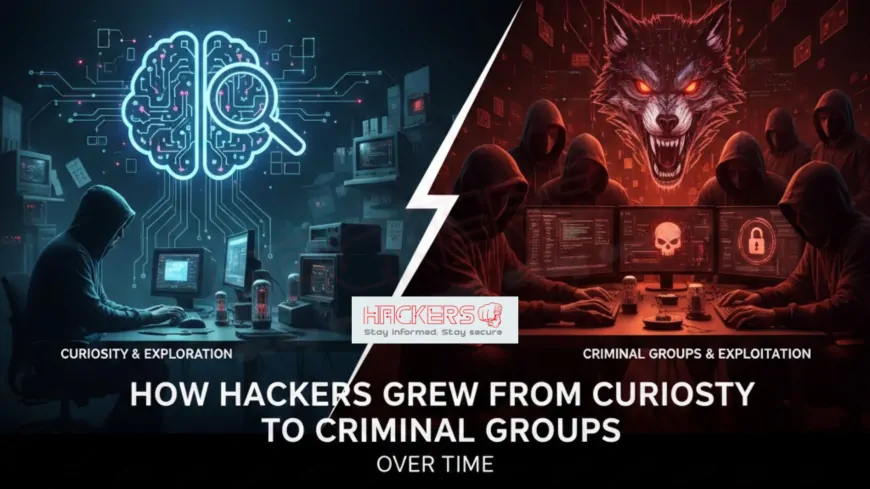
Table of Contents
- The 1960s and 1970s: The Era of Curiosity and Phone Phreaking
- The 1980s: Pranks, Viruses, and the First Laws
- The 1990s: Internet Boom and Rise of Notorious Hackers
- The 2000s: Shift to Profit-Driven Cybercrime
- The 2010s to Present: Organized Crime and State-Sponsored Attacks
- A Timeline of Hacking Evolution
- Conclusion
- Frequently Asked Questions
The 1960s and 1970s: The Era of Curiosity and Phone Phreaking
The story starts in the 1960s at places like MIT, where the term "hacker" first took root. Back then, it had nothing to do with crime. It came from the Tech Model Railroad Club, a group of students who loved building and tweaking model trains. They called clever fixes "hacks." When computers arrived on campus, these students applied the same mindset. They saw massive mainframes as puzzles to solve, often staying up late to make programs run faster or hardware work better.
These early hackers were motivated by curiosity and a desire to share knowledge. They believed in open access to information, a philosophy that later influenced the open-source movement. For example, in 1969, the first computer hackers at MIT began altering software and hardware. It was all about exploration, not harm. Linus Torvalds, born that year, would later create Linux based on similar ideals.
By the 1970s, hacking spread beyond computers to telephone systems, known as phone phreaking. People like John Draper, nicknamed Captain Crunch, discovered that a toy whistle from cereal boxes could make free long-distance calls by mimicking phone tones. This was thrilling for young enthusiasts, including future Apple founders Steve Jobs and Steve Wozniak, who built "blue boxes" to exploit the system. It was mostly harmless fun, driven by the challenge.
On the computer side, the ARPANET, the internet's precursor, saw its first worm in 1971: Creeper, a program that moved between machines displaying a message. It was countered by Reaper, the first antivirus. These were experiments, not attacks. However, as networks grew, so did the potential for misuse. Hackers formed loose groups, sharing tips in magazines like 2600, named after the phreaking tone. This era set the stage, showing hacking as a creative pursuit, but hints of trouble loomed as technology became more accessible.
This period reminds us that hacking started with positive intent. People wanted to understand and improve systems. Yet, as computers entered homes and businesses, the line between curiosity and intrusion began to blur.
The 1980s: Pranks, Viruses, and the First Laws
The 1980s brought personal computers like the Apple II and IBM PC into everyday life. With more machines, hacking evolved from niche hobby to something more visible. Early viruses appeared, often as pranks. In 1982, Elk Cloner spread on Apple II disks, displaying a poem. It was the first virus "in the wild," created by a teenager for fun.
By mid-decade, viruses like Brain in 1986 targeted IBM PCs, spreading via floppy disks. Created by Pakistani brothers to protect their software, it marked the start of global spread. Destructive ones followed, such as Jerusalem in 1987, which deleted files on Friday the 13th. These showed hacking could cause real harm.
Teenage hackers made headlines. The 414s group from Milwaukee broke into systems in 1983, exposing vulnerabilities. Inspired by movies like WarGames, they highlighted risks. Kevin Mitnick began his career, using social engineering to trick people into revealing info.
The decade's turning point was the Morris Worm in 1988. Released by Robert Tappan Morris, it infected 10 percent of the internet, causing millions in cleanup. This led to the first Computer Emergency Response Team (CERT) and strengthened laws like the CFAA.
Antivirus companies emerged: McAfee in 1987, Norton in 1988. Hacking shifted from pure curiosity to include pranks and minor crimes, prompting governments to act. Groups like the Chaos Computer Club in Germany advocated ethical hacking, but the criminal side grew.
The 1990s: Internet Boom and Rise of Notorious Hackers
The 1990s exploded with the internet's commercialization. Millions went online, creating new opportunities for hackers. Motives diversified: some sought fame, others profit.
Notorious figures like Kevin Mitnick continued, arrested in 1995 after hacking major companies. Adrian Lamo broke into systems to expose flaws, while Mafiaboy launched DDoS attacks in 2000, disrupting sites like Yahoo.
Viruses went viral: Melissa in 1999 spread via email, causing $80 million in damages. ILOVEYOU in 2000 infected millions, deleting files. These showed how fast threats could spread online.
Hacking groups formed: L0pht testified to Congress about vulnerabilities, while cults like the Cult of the Dead Cow released tools. Script kiddies, unskilled users using pre-made scripts, democratized hacking.
Laws tightened: UK Computer Misuse Act in 1990, updates to CFAA. The decade marked the transition: curiosity mixed with ego and early profit, setting up for organized crime.
The 2000s: Shift to Profit-Driven Cybercrime
As e-commerce grew in the 2000s, hacking became lucrative. Identity theft and financial fraud surged. Botnets, networks of infected computers, were used for spam and DDoS.
Ransomware appeared: GPCode in 2005 encrypted files for ransom. Organized groups emerged, like the Russian Business Network, offering cybercrime services.
High-profile breaches: TJX in 2007 exposed 45 million cards. State-sponsored hacks like Titan Rain targeted U.S. systems.
Hacktivism rose: Anonymous formed in 2003, protesting with DDoS. But criminal motives dominated, with dark web markets selling tools and data.
Governments responded: Patriot Act expanded surveillance, Budapest Convention promoted international cooperation. Hacking was now a profession, far from its curious roots.
The 2010s to Present: Organized Crime and State-Sponsored Attacks
The 2010s saw hacking as big business. Ransomware groups like CryptoLocker in 2013 demanded Bitcoin. Organized syndicates operated like companies, with divisions for development and support.
State actors entered: Stuxnet in 2010 sabotaged Iran's nuclear program. Groups like Lazarus (North Korea) stole from banks. Russia-linked Fancy Bear hacked elections.
Major breaches: Equifax in 2017 exposed 147 million records, WannaCry in 2017 affected 200,000 computers. Dark web evolved into marketplaces for stolen data.
Today, ransomware-as-a-service lets anyone launch attacks. Groups like Conti and DarkSide demand millions. AI enhances phishing and deepfakes.
Responses include stricter laws, like GDPR in 2018, and international efforts. Ethical hackers help, but criminal groups remain ahead, turning curiosity into a global threat.
A Timeline of Hacking Evolution
| Decade | Key Events | Shift in Motives |
|---|---|---|
| 1960s | MIT hackers tinker with computers | Pure curiosity |
| 1970s | Phone phreaking, Creeper worm | Exploration and fun |
| 1980s | Elk Cloner, Morris Worm, first antivirus | Pranks to minor harm |
| 1990s | Mitnick arrest, Melissa virus | Fame and early profit |
| 2000s | Botnets, ransomware begins | Financial gain |
| 2010s-Now | Stuxnet, WannaCry, organized groups | Organized crime and geopolitics |
Conclusion
The growth of hackers from curious explorers to organized criminal groups reflects technology's double-edged nature. What began as innocent tinkering in the 1960s evolved with the internet's rise, turning into pranks, then profit-driven crimes, and now sophisticated operations. This shift highlights the need for strong cybersecurity, ethical guidelines, and international cooperation. By learning from history, we can better protect our digital world while fostering innovation.
What is the origin of the term "hacker"?
The term originated at MIT in the 1960s from model train enthusiasts who used "hack" for clever fixes.
When did phone phreaking start?
It started in the 1970s with people like Captain Crunch discovering ways to make free calls.
What was the first computer worm?
Creeper in 1971, which moved between machines on ARPANET.
Who created the first virus in the wild?
A teenager created Elk Cloner in 1982 for Apple II computers.
What was the Morris Worm?
A 1988 program that infected 10 percent of the internet, leading to CERT's creation.
Who is Kevin Mitnick?
A famous hacker arrested in 1995, known for social engineering.
What is a script kiddie?
An unskilled hacker using pre-made tools, common in the 1990s.
When did ransomware begin?
Early forms like GPCode appeared in 2005.
What is Stuxnet?
A 2010 state-sponsored worm that targeted Iran's nuclear program.
What are botnets?
Networks of infected computers used for attacks, popular in the 2000s.
Who founded Apple and phreaked?
Steve Jobs and Steve Wozniak built blue boxes in the 1970s.
What is hacktivism?
Hacking for political causes, like Anonymous since 2003.
What law addressed early hacking?
The CFAA in 1986, strengthened after the Morris Worm.
What is the dark web's role?
It hosts markets for stolen data and tools since the 2000s.
What group is linked to North Korea?
Lazarus, known for bank heists and attacks.
What is ransomware-as-a-service?
A model where criminals rent attack tools, common now.
How has AI changed hacking?
It enhances phishing and automates attacks in recent years.
What is ethical hacking?
Legal testing of systems to find vulnerabilities.
Why did hacking become criminal?
As technology grew valuable, motives shifted to profit and power.
How can we combat modern hackers?
Through education, strong laws, and advanced security measures.
What's Your Reaction?