











Why Are Mobile Payment Apps Becoming the Top Target for Hackers in 2025?
It's a Friday evening, and you are at a cozy coffee shop with friends. One of them suggests splitting the bill using Venmo. You pull out your phone, scan the QR code, and tap "Pay." The transaction zips through in seconds. Convenient, right? Now imagine that same tap hands a hacker instant access to your bank account, draining hundreds of dollars before you even finish your latte. This is not a rare horror story. In 2025, mobile payment apps like Venmo, Zelle, PayPal, Cash App, and Apple Pay have exploded in popularity, powering trillions in transactions worldwide. But with that growth comes a dark side: hackers have made these apps their prime hunting ground. Reports show digital wallet fraud up 19% year-over-year, with 75% of all payment fraud now hitting mobile devices. Why? Because these apps hold the keys to our money, and breaking in has never been easier or more profitable. This post dives into the real reasons behind the surge, backed by the latest 2025 data. We will break it down simply, so you can spot the risks and protect yourself without needing a computer science degree.
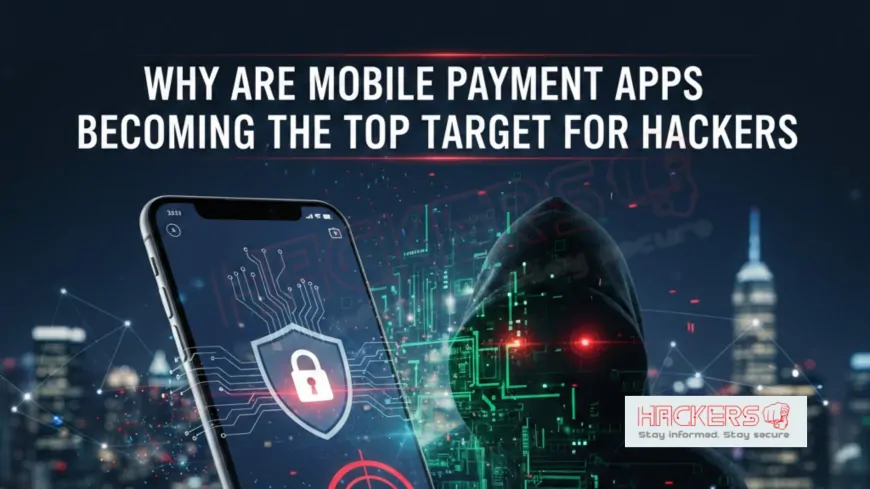
Table of Contents
- The Rapid Rise of Mobile Payments
- Why Hackers Love These Apps
- Top Attack Methods in 2025
- Shocking Statistics and Trends
- Real Breaches and Scams from 2024-2025
- Risks for Users and Businesses
- How to Protect Yourself Right Now
- What the Future Holds
- Conclusion: Convenience Comes at a Cost
The Rapid Rise of Mobile Payments
Mobile payment apps started as a fun way to split dinner tabs or send birthday cash. Today, they are the backbone of global commerce. In 2025, 68% of consumers use digital wallets regularly, up from 50% just two years ago. Global e-commerce hit $6.5 trillion last year, with mobile wallets handling 49% of those sales.
Apps like Venmo (owned by PayPal) boast over 90 million users, while Zelle processes $1 billion in daily transfers. Apple Pay and Google Pay dominate contactless in-store payments, with NFC taps now routine at checkout lines everywhere. This boom is fueled by speed, ease, and the pandemic's lasting shift to touchless everything.
But here is the catch: more users mean more data. These apps store your bank details, transaction history, and even biometric info like fingerprints. For hackers, that is a goldmine.
Why Hackers Love These Apps
Hackers do not pick targets at random. They go where the money is easy to grab and hard to trace. Mobile apps fit that bill perfectly for several reasons:
- Sheer Volume: With billions of transactions, even a tiny success rate yields millions in stolen funds. One phishing campaign can net thousands of victims overnight.
- Instant Access: Unlike traditional banks with multi-day holds, P2P apps like Zelle move money in seconds. Once sent, it is gone for good.
- Weak Spots in Design: Many apps prioritize speed over ironclad security. Simple PINs or reused passwords from breaches elsewhere make entry easy.
- Global Reach: Apps operate across borders, letting hackers in low-regulation countries target users worldwide without easy pursuit.
- Human Factor: Users trust the app's friendly interface, clicking "Confirm" without a second thought, even on fake screens.
"Hackers follow the money, and in 2025, that money is flowing faster than ever through our phones." – Cybersecurity expert from Kaspersky's 2025 Mobile Threat Report
Top Attack Methods in 2025
Hackers have evolved with the tech. Here are the most common ways they strike mobile payment apps:
- Phishing and Smishing: Fake texts or emails pretending to be from Venmo or Zelle, tricking you into entering login details on a bogus site.
- Malware and Trojans: Apps like "Fake NFC Scanner" lure you to tap your card, stealing data via the phone's NFC chip. Trojan bankers surged 196% in 2024.
- Account Takeover (ATO): Using stolen credentials from data breaches to hijack your account and drain it dry. ATO cases jumped 250% year-over-year.
- Social Engineering: Scammers pose as friends in need, requesting urgent transfers via Zelle or Cash App.
- Man-in-the-Middle Attacks: Intercepting data on public Wi-Fi during a payment, grabbing unencrypted details.
- Synthetic Identity Fraud: Creating fake profiles with mixed real and bogus info to open accounts and launder money. This spiked 311% in North America in Q1 2025.
App-Specific Vulnerabilities
Each app has its quirks that hackers exploit:
- Venmo: Social feeds make it easy to impersonate friends; 9% of FTC-reported scams involve it.
- Zelle: Direct bank links mean instant, irreversible transfers; 20% of scam reports name it.
- PayPal: Broader use invites more phishing, but stronger buyer protection helps.
- Cash App: Bitcoin features attract crypto thieves; 24% scam involvement.
Shocking Statistics and Trends
The numbers tell a grim story. In Q1 2025 alone, over 365,000 identity theft cases tied to mobile fraud. Global digital payment fraud costs are set to top $50 billion this year, with mobile incidents at 75% of the total.
| Threat Type | 2025 Statistic | Impact |
|---|---|---|
| Digital Wallet Fraud | Up 19% YoY; 68% of consumers affected | $5B+ losses projected |
| Trojan Banker Attacks | 196% increase to 1.24M incidents | Targets Android banking apps |
| Synthetic Identity Fraud | 311% surge in North America | $35B annual losses |
| Mobile Malware Blocks | 24,000 malicious apps daily | Includes fake payment tools |
| Fraudulent Verifications | 1 in 20 attempts fake | 21% rise in financial services |
These trends show no signs of slowing. AI-powered tools have boosted fraud by 30%, making attacks smarter and harder to spot.
Real Breaches and Scams from 2024-2025
Real stories hit hardest. In early 2025, a fake NFC app tricked users into scanning cards, stealing data from thousands. Losses? Over $2 million in fraudulent charges.
Venmo's "mother of all breaches" in January 2024 exposed millions of users' data, leading to a wave of account takeovers. Scammers used the info to request money from friends' lists, posing as the victim in emergencies.
Zelle saw a 27% scam spike, with one case where hackers drained $500,000 from a single user's linked accounts in hours. PayPal fought back with better encryption, but phishing still snagged 28% of reported scams.
In Q3 2025, Kaspersky blocked 47 million mobile attacks, many targeting Cash App's crypto features. A notorious one: North Korean hackers stole $1.5 billion in Ethereum via a Dubai exchange breach, funneled through mobile wallets.
Risks for Users and Businesses
For everyday users, the dangers are personal: drained savings, identity theft, ruined credit. One wrong tap can wipe out rent money. Emotional toll? Stress, shame, and distrust in tech.
Businesses face bigger headaches. Retailers using mobile POS see chargebacks skyrocket from stolen cards. A single breach can cost $4.88 million on average, plus regulatory fines and lost customers. In 2025, 79% of organizations reported payment fraud attacks, with financial services hit hardest at 27% of all breaches.
How to Protect Yourself Right Now
You do not have to ditch your apps. Smart habits make a huge difference:
- Enable two-factor authentication (2FA) everywhere, preferably app-based or hardware keys.
- Use strong, unique passwords with a manager; never reuse them.
- Verify requests: If a "friend" asks for money via Zelle, call them on a known number first.
- Avoid public Wi-Fi for payments; use a VPN if you must.
- Monitor accounts daily and set low transaction limits.
- Download only from official stores; scan for malware regularly.
- Report suspicious activity immediately; most apps reimburse authorized fraud quickly.
For businesses, invest in tokenization (replacing card data with secure codes) and real-time fraud detection. Train staff on phishing, and audit third-party integrations.
What the Future Holds
By 2030, mobile payments could hit 80% of global transactions. Hackers will counter with AI deepfakes for voice scams and quantum threats to encryption. But hope lies in biometrics, blockchain verification, and stricter regs like PCI DSS 4.0.1.
Apps are responding: Venmo added scam alerts, Zelle improved fraud monitoring. Still, user vigilance remains key.
Conclusion: Convenience Comes at a Cost
Mobile payment apps have transformed how we handle money, making life faster and frictionless. But in 2025, they are hacker magnets due to explosive growth, easy money grabs, and evolving threats like AI phishing and malware trojans.
The stats are sobering: $50 billion in projected fraud, millions of attacks blocked daily, and breaches exposing billions of records. From Venmo's mega-leak to Zelle's instant drains, the risks are real and rising.
Yet, with simple steps like 2FA, verification habits, and awareness, you can tip the scales back. Remember, security is not about fear; it is about enjoying the perks without the peril. Stay sharp, stay safe, and keep that coffee shop split secure.
Are mobile payment apps safe to use in 2025?
They can be, with precautions. Apps like Venmo and Zelle use encryption and fraud monitoring, but user errors like weak passwords make them risky. Always enable 2FA and verify transactions.
Why is phishing so common against these apps?
Phishing tricks users into handing over credentials on fake sites. With 84% of organizations hit by mobile phishing, hackers exploit trust in familiar app names for quick wins.
What is account takeover and how to prevent it?
ATO is when hackers steal your login to control your account. Prevent it with unique passwords, 2FA, and monitoring for unusual logins.
Is Zelle safer than Venmo?
No clear winner; Zelle's bank integration means faster transfers but less reversal options. Venmo offers purchase protection but more social scams. Both need strong habits.
How has AI changed mobile payment attacks?
AI creates convincing deepfakes and phishing emails, boosting fraud 30%. It also powers defenses like real-time detection, but attackers adapt faster.
What role does public Wi-Fi play in risks?
26% of experts call it the top vulnerability. Unsecured networks let hackers intercept data. Use VPNs or stick to cellular data for payments.
Can businesses avoid these breaches entirely?
Not entirely, but tokenization, audits, and staff training cut risks sharply. 87% expect more breaches, so proactive measures are essential.
What is synthetic identity fraud?
Hackers mix real and fake info to create bogus profiles for laundering money. It surged 311% in 2025, costing $35 billion yearly.
Do all apps reimburse scam victims?
Most do for unauthorized transactions if reported quickly. Venmo and PayPal have strong policies; Zelle relies on your bank.
How often should I check my app transactions?
Daily, or enable instant alerts. Early detection stops small drains from becoming big losses.
Are Android or iOS more targeted?
Android sees more malware due to open ecosystem; Trojans hit it 196% harder. iOS faces phishing but fewer app-based threats.
What is NFC theft?
Fake apps trick you into tapping cards to your phone, stealing data. Block it by disabling NFC when not in use.
Is Cash App safe for crypto transfers?
Riskier due to volatility and scams. Use it sparingly, with 2FA, and transfer to secure wallets immediately.
How do regulations help in 2025?
PCI DSS 4.0.1 mandates better encryption and audits. Countries like the UK require scam reimbursements, pushing apps to improve.
What is the average cost of a mobile fraud incident?
$4.88 million for businesses; for users, it can wipe out savings. Early action minimizes damage.
Should I link my bank directly to these apps?
Use a dedicated account with low balances. Avoid full checking links to limit exposure.
Are biometric logins foolproof?
They add layers but are not perfect; deepfakes bypass them. Combine with PINs and 2FA.
What future threats worry experts most?
Quantum computing cracking encryption and AI-driven scams. Expect stronger biometrics and blockchain by 2030.
How can I spot a fake payment request?
Urgency, odd amounts, or unknown senders are red flags. Always verify via another channel.
Is mobile fraud worse in certain countries?
Yes; Africa saw 28% mobile money fraud rise, Latin America 25% in e-payments. Regulations vary, so global users stay vigilant.
What's Your Reaction?