













































Why Cyber Laws Are Important for National Security
Imagine waking up one morning to find that your country's power grid has been shut down by a mysterious hacker group from halfway around the world. Hospitals can't operate, traffic lights are out, and financial systems are frozen. This isn't just a scene from a thriller movie: it's a real possibility in our digital age. Cyber threats are growing every day, and they don't respect borders. That's why cyber laws play a crucial role in protecting a nation's security. In this blog post, we'll explore the reasons behind their importance, breaking it down into simple terms so anyone can grasp the concepts. We'll look at how these laws help safeguard everything from government secrets to everyday online activities, and why they're essential for keeping our world safe.
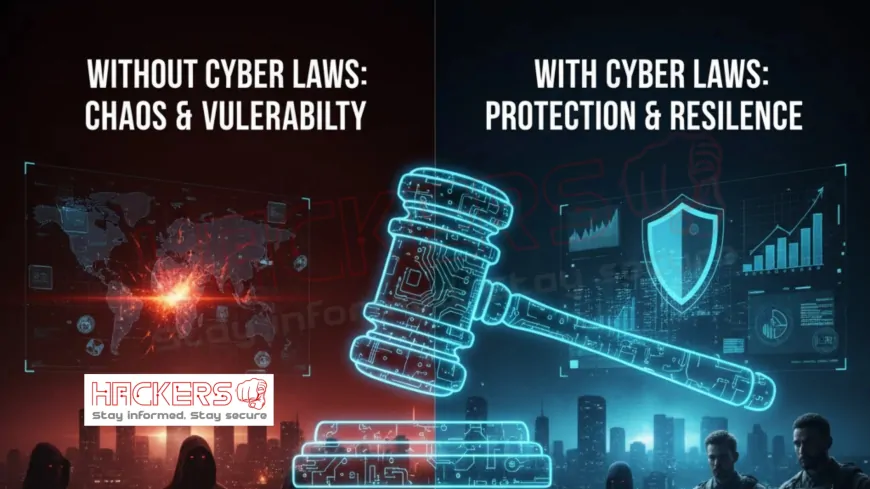
Table of Contents
- What Are Cyber Laws?
- The Evolution of Cyber Threats
- How Cyber Laws Protect National Security
- Key Components of Cyber Laws
- Examples of Cyber Laws Around the World
- Case Studies: Real-World Impacts
- Challenges in Enforcing Cyber Laws
- The Role of International Cooperation
- The Future of Cyber Laws
- Conclusion
- FAQs
What Are Cyber Laws?
Cyber laws, also known as internet laws or digital laws, are rules and regulations that govern the use of the internet and digital technologies. They cover a wide range of activities, from online privacy to hacking prevention. These laws are created by governments to ensure that the digital world is as safe and orderly as the physical one.
Think of cyber laws like traffic rules on a highway. Without them, chaos would reign, with people driving however they please. In the cyber realm, laws help prevent misuse of technology that could harm individuals, businesses, or even entire countries. For national security, these laws are vital because they address threats that could undermine a nation's stability, economy, or defense systems.
At their core, cyber laws aim to protect data, which is often called the new oil of the modern economy. Data includes everything from personal information to classified government files. When this data is compromised, it can lead to serious consequences, such as identity theft on a personal level or espionage on a national scale.
Countries around the world have developed their own sets of cyber laws, often tailored to their specific needs and threats. For example, some focus heavily on protecting critical infrastructure, like power plants and water supplies, which are increasingly connected to the internet. Others emphasize consumer protection in online transactions.
Understanding cyber laws starts with recognizing that the internet is borderless, but laws are not. This creates unique challenges, which we'll discuss later. For now, know that these laws are not just about punishment: they also promote best practices, like encouraging companies to use strong encryption, which is a method of scrambling data to keep it secret.
In simple terms, cyber laws provide a framework for responding to cyber incidents. They define what is illegal, set penalties, and outline how investigations should proceed. This structure is essential for maintaining trust in digital systems, which underpin much of our daily lives and national operations.
The Evolution of Cyber Threats
Cyber threats have come a long way since the early days of the internet. Back in the 1980s and 1990s, most issues were simple viruses that might erase files on a personal computer. Today, threats are sophisticated operations that can target entire nations.
One major evolution is the rise of state-sponsored cyber attacks. These are hacks funded or directed by governments to achieve political or military goals. For instance, attackers might steal sensitive information to gain an advantage in negotiations or disrupt services to cause economic harm.
Another development is ransomware, where hackers lock access to data and demand payment to unlock it. This has hit hospitals, schools, and even government agencies, showing how cyber threats can directly affect public safety and national security.
Cyber espionage is also on the rise. Spies use digital tools to infiltrate networks and gather intelligence without ever setting foot in the target country. This can involve planting malware, which is harmful software, to monitor activities over long periods.
The internet of things, or IoT, has expanded the threat landscape. Everyday devices like smart refrigerators or security cameras are connected online, creating more entry points for attackers. If these devices are compromised, they can be used in large-scale attacks, like distributed denial-of-service, or DDoS, where websites are overwhelmed with traffic and crash.
As technology advances, so do the threats. Artificial intelligence is now being used by both defenders and attackers. Hackers might use AI to automate attacks, making them faster and harder to detect. This constant evolution means that cyber laws must adapt quickly to stay effective.
National security is at stake because these threats can weaken a country's defenses. A successful cyber attack on military systems could reveal troop movements or weapon capabilities, giving enemies a significant edge.
How Cyber Laws Protect National Security
Cyber laws serve as a shield for national security by establishing clear boundaries and consequences for digital misconduct. They empower governments to prosecute cybercriminals, whether they are lone hackers or organized groups.
One key way they protect is by mandating security standards for critical infrastructure. Laws require operators of power grids, transportation systems, and financial institutions to implement robust defenses, such as firewalls, which act like digital barriers to block unauthorized access.
These laws also facilitate information sharing between the public and private sectors. Companies often detect threats first, and laws encourage them to report incidents without fear of legal repercussions. This collaboration helps build a stronger national defense against cyber attacks.
Moreover, cyber laws deter potential attackers through harsh penalties. Knowing that hacking into government systems could lead to long prison sentences or heavy fines makes criminals think twice. This deterrence is crucial for maintaining national sovereignty in the digital space.
Laws also address the issue of cyber warfare. They define what constitutes an act of war in cyberspace, helping nations respond appropriately without escalating conflicts unnecessarily. For example, if a foreign power launches a cyber attack, laws provide a legal basis for retaliation or seeking international justice.
On a broader level, cyber laws promote education and awareness. Many include provisions for training programs that teach citizens, especially those in key positions, about safe online practices. This human element is often the weakest link in security chains.
Finally, these laws support research and development in cybersecurity technologies. Governments allocate funds and incentives for innovations that bolster national defenses, ensuring the country stays ahead of emerging threats.
Key Components of Cyber Laws
Effective cyber laws typically include several core elements. First, they define cybercrimes clearly, such as unauthorized access, data theft, and online fraud. This clarity helps in prosecution and prevention.
Second, they outline jurisdictional issues. Since the internet spans borders, laws specify how crimes committed from abroad are handled, often through extradition treaties.
Third, privacy protections are a big part. Laws like data protection regulations ensure that personal information is handled securely, preventing misuse that could lead to security breaches.
Fourth, incident response frameworks are included. These guide how to react to attacks, including reporting requirements and recovery steps.
Fifth, penalties and enforcement mechanisms are detailed. This includes fines, imprisonment, and asset seizures for offenders.
Sixth, many laws incorporate international standards, aligning with global efforts to combat cyber threats.
These components work together to create a comprehensive legal shield for national security.
Examples of Cyber Laws Around the World
To illustrate the variety and importance of cyber laws, here's a table highlighting some key examples from different countries.
| Country | Law Name | Year Enacted | Purpose |
|---|---|---|---|
| United States | Computer Fraud and Abuse Act (CFAA) | 1986 | Protects against unauthorized access to computers and networks, crucial for defending government and private systems. |
| European Union | General Data Protection Regulation (GDPR) | 2018 | Ensures data privacy and security, with implications for national security through better data handling practices. |
| China | Cybersecurity Law | 2017 | Requires data localization and security reviews to protect national interests. |
| India | Information Technology Act | 2000 (amended 2008) | Addresses cybercrimes and electronic commerce, supporting national security by penalizing digital threats. |
| Australia | Cybercrime Act | 2001 | Criminalizes serious computer offenses, aiding in the protection of critical infrastructure. |
This table shows how nations adapt cyber laws to their contexts, all with the common goal of enhancing security.
Case Studies: Real-World Impacts
Let's look at some real examples to see cyber laws in action. In 2016, the Democratic National Committee in the US was hacked, allegedly by Russian actors. The CFAA and other laws allowed for investigations and sanctions, highlighting how legal frameworks respond to threats against democracy.
Another case is the WannaCry ransomware attack in 2017, which affected over 200,000 computers worldwide, including UK hospitals. Laws in affected countries enabled coordinated responses and prosecutions, demonstrating the value of legal preparedness.
In Estonia, a 2007 cyber attack disrupted government and banking services. This led to strengthened cyber laws and NATO's involvement, showing how incidents drive legal evolution for better security.
These cases underscore that without strong laws, recovery from attacks would be harder, and prevention weaker.
Challenges in Enforcing Cyber Laws
Enforcing cyber laws isn't easy. One major issue is attribution: figuring out who launched an attack. Hackers often hide behind proxies or false identities, making it hard to pinpoint culprits.
Jurisdictional conflicts arise when attacks cross borders. A hacker in one country targeting another might face extradition hurdles or differing legal standards.
Rapid technological change outpaces legislation. Laws written years ago may not cover new threats like deepfakes, which are AI-generated fake videos.
Resource limitations affect enforcement. Many countries lack enough trained cybersecurity experts or funding for advanced tools.
Privacy concerns can clash with security needs. Laws must balance surveillance powers with individual rights to avoid overreach.
Despite these challenges, ongoing efforts to update and harmonize laws help mitigate them.
The Role of International Cooperation
Cyber threats are global, so cooperation is key. Treaties like the Budapest Convention on Cybercrime provide a framework for countries to work together on investigations and prosecutions.
Organizations such as Interpol and Europol facilitate information sharing and joint operations against cybercriminals.
Bilateral agreements between nations allow for mutual assistance in cyber incidents, strengthening collective security.
International forums, like the United Nations, discuss norms for responsible state behavior in cyberspace, aiming to prevent escalations.
Without cooperation, isolated efforts would fail against borderless threats, making global partnerships essential for national security.
The Future of Cyber Laws
Looking ahead, cyber laws will likely incorporate more AI regulations, as this technology becomes central to both attacks and defenses.
Quantum computing poses new risks by potentially breaking current encryption, so laws will need to promote quantum-resistant standards.
Increased focus on supply chain security will address vulnerabilities in global tech ecosystems.
Education mandates may become standard, ensuring future generations are cyber-aware.
As digital dependencies grow, laws will evolve to protect emerging areas like space-based systems and autonomous vehicles.
The future demands flexible, forward-thinking laws to safeguard national security in an ever-changing digital world.
Conclusion
In summary, cyber laws are indispensable for national security in our interconnected world. They provide the rules, protections, and frameworks needed to combat evolving threats, from simple hacks to sophisticated state-sponsored attacks. By defining crimes, mandating standards, and fostering cooperation, these laws help maintain stability and trust in digital systems. As we've seen through examples and challenges, while enforcement isn't perfect, continuous adaptation ensures they remain effective. Ultimately, strong cyber laws not only deter adversaries but also empower nations to thrive securely in the digital age. Staying informed and supportive of these efforts is key for everyone.
FAQs
What are cyber laws?
Cyber laws are regulations that govern online activities, including rules against hacking, data theft, and other digital crimes to ensure safety and order on the internet.
Why do we need cyber laws for national security?
Cyber laws protect critical infrastructure, government data, and economic systems from attacks that could weaken a country's stability and defense.
How do cyber threats affect a nation?
They can disrupt services, steal sensitive information, cause financial losses, and even influence political processes, posing risks to sovereignty and public safety.
What is a common example of a cyber threat?
Ransomware, where attackers encrypt data and demand payment, is a widespread threat that has hit businesses and governments alike.
How do cyber laws deter criminals?
By imposing severe penalties like fines and jail time, they make potential attackers reconsider their actions due to the high risks involved.
What role does privacy play in cyber laws?
Many laws include privacy protections to ensure personal data is handled securely, preventing misuse that could lead to broader security issues.
Can cyber laws prevent all attacks?
No, but they provide tools for prevention, response, and recovery, reducing the frequency and impact of incidents.
Why is international cooperation important in cyber laws?
Since threats cross borders, countries must share information and align laws to effectively combat global cybercriminals.
What is critical infrastructure in cyber terms?
It refers to essential systems like power grids, transportation, and healthcare that are vital for a nation's functioning and are often targeted online.
How have cyber laws evolved over time?
They started with basic computer crime rules and now cover advanced threats like AI-driven attacks and data privacy in a connected world.
What challenges do governments face in enforcing cyber laws?
Issues like identifying attackers, jurisdictional disputes, and keeping up with technology make enforcement complex.
Are there global standards for cyber laws?
Yes, treaties like the Budapest Convention set international benchmarks for handling cybercrimes.
How do cyber laws support businesses?
They mandate security practices and provide legal recourse after breaches, helping companies protect assets and maintain trust.
What is cyber espionage?
It's the use of digital methods to spy on governments or organizations, stealing secrets for strategic advantages.
Why should individuals care about cyber laws?
These laws protect personal data and online rights, ensuring a safer internet for everyday use.
How do cyber laws address emerging technologies?
They are updated to cover new areas like AI and IoT, requiring security measures for these innovations.
What happens if a country ignores cyber laws?
It becomes more vulnerable to attacks, potentially facing economic damage, loss of trust, and international isolation.
Can cyber attacks be considered acts of war?
Yes, severe attacks on national systems can be treated as such, with laws providing grounds for response.
How can one stay updated on cyber laws?
Follow government websites, cybersecurity news, and organizations like Interpol for the latest developments.
What is the future outlook for cyber laws?
They will likely focus more on AI, quantum tech, and global harmony to tackle advancing threats effectively.
What's Your Reaction?