









How Ethical Hacking Started as a Profession
Picture a time when computers were massive machines in secure rooms, and the idea of breaking into them seemed like science fiction. Yet, even back then, clever minds were testing these systems to find weaknesses, not to cause harm, but to make them stronger. This is where ethical hacking began: as a way to protect by pretending to attack. Over decades, it grew from a niche skill among a few experts to a full-fledged profession with certifications, companies, and global demand. Today, ethical hackers are the good guys in the digital world, helping organizations stay safe from real threats. In this blog post, we'll trace how ethical hacking started and evolved into the vital career it is now. If you're new to tech, don't worry: We'll keep things straightforward, explaining terms as we go.
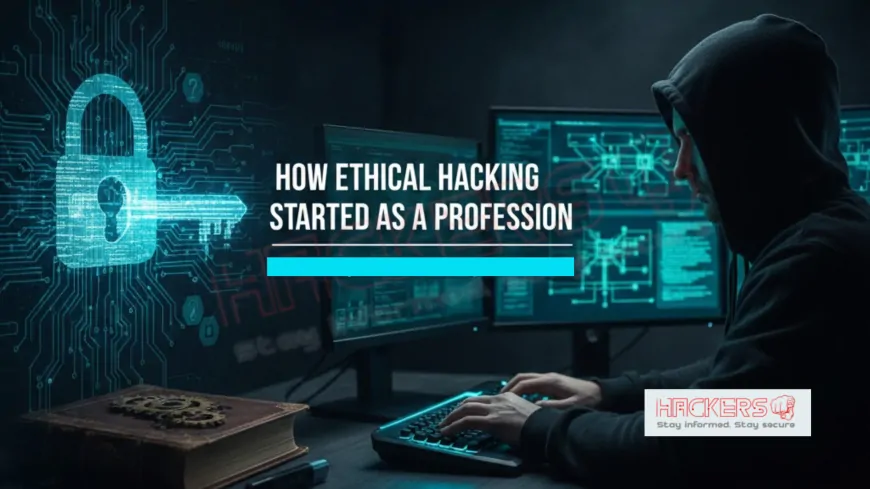
Table of Contents
- The Origins in the 1960s: Curiosity and Early Testing
- The 1970s: Phreaking and Tiger Teams
- The 1980s: Rise of Laws and White Hat Practices
- The 1990s: Coining the Term and First Tools
- The 2000s: Formalization and Certifications
- Key Figures Who Shaped the Profession
- The Rise of Bug Bounties and Professional Roles
- Ethical Hacking Today: A Thriving Career
- Challenges and Ethical Considerations
- The Future of Ethical Hacking
- Timeline of Key Milestones
- Conclusion
- FAQs
The Origins in the 1960s: Curiosity and Early Testing
The story of ethical hacking starts in the 1960s, at places like the Massachusetts Institute of Technology, or MIT. Back then, "hacking" did not mean breaking laws. It meant tinkering with systems to make them better or more efficient. Students and researchers at MIT would modify hardware and software out of pure curiosity. For example, in 1961, MIT folks worked on a toy railway set, tweaking it to run smoother. This playful approach laid the groundwork for thinking about systems creatively.
At the same time, the US government began to worry about computer security. Computers were becoming important for military and research work, and officials realized they could be vulnerable. In 1967, at a conference called the Joint Computer Conference, an engineer named Willis Ware presented a paper on security and privacy in computer systems. He suggested a game-like setup where outsiders would try to break into systems to find weaknesses. This was one of the first ideas for what we now call penetration testing, or pen testing. Pen testing means simulating an attack to spot flaws before real bad guys do.
The government hired experts to test systems, marking the start of organized ethical hacking. These early efforts were not a profession yet; they were more like experiments. But they showed the value of using hacker skills for good. If you're just starting out, think of it this way: Ethical hacking is like a doctor checking for illnesses before they get serious. It prevents problems rather than fixing them after the fact.
As computers spread beyond labs, the need for such testing grew. By the end of the decade, the groundwork was set for ethical hacking to become something more structured.
The 1970s: Phreaking and Tiger Teams
The 1970s brought new twists. Phones were the big technology then, and a practice called phreaking emerged. Phreaking meant manipulating telephone systems to make free calls or explore networks. People like Joe Engressia discovered that certain tones could trick phone switches. In 1971, an article in Esquire magazine called "Secrets of the Little Blue Box" spread the word. Even future Apple founders Steve Jobs and Steve Wozniak built devices called blue boxes to phreak for fun.
Phreaking was not always legal, but it taught skills that later became useful in ethical hacking. It showed how systems could be probed and understood. Meanwhile, the US government formed "tiger teams." These were groups of experts who would try to break into secure facilities or computer systems to test defenses. The term came from the military, where tiger teams hunted for vulnerabilities.
In 1972, a report by James P. Anderson outlined ways to detect and fix security issues. Two years later, the US Air Force ran a test on a system called Multics, using white hat hackers to find and patch holes. White hat means good hackers, as opposed to black hat, who are the bad ones. These tiger teams were early ethical hackers, hired to improve security.
This decade shifted hacking from curiosity to a tool for protection. It was still not a widespread profession, but the idea was taking shape. Governments and companies saw the benefit of paying people to think like attackers.
The 1980s: Rise of Laws and White Hat Practices
Computers became more common in the 1980s, and so did problems. Personal computers hit the market, and the internet started to form. With this came the first big cyber crimes. In 1983, a movie called "WarGames" showed a teen hacking into military systems, raising public awareness.
To address threats, laws appeared. The US passed the Computer Fraud and Abuse Act in 1986, making unauthorized access a crime. This law helped define what was illegal, creating space for legal hacking. In the UK, cases like one in 1985 where hackers accessed a system using simple tricks led to talks about better laws.
Ethical hacking gained traction. Companies and governments hired testers to find weaknesses. The Orange Book from 1983 set standards for secure systems, including pen testing. Tools and methods improved, and the line between black hat and white hat became clearer.
High-profile incidents, like the Morris Worm in 1988 that slowed the internet, highlighted needs. This worm was not meant to harm, but it showed vulnerabilities. Responses involved ethical hackers analyzing and fixing issues.
The 1990s: Coining the Term and First Tools
The 1990s were pivotal. The internet exploded, and so did threats. In 1995, IBM's John Patrick coined "ethical hacking." But the practice was older. Tools like SATAN, released that year by Dan Farmer and Wietse Venema, scanned networks for flaws. This made testing easier and more systematic.
Certifications began to form. The field professionalized as companies needed experts. Laws like the UK's Computer Misuse Act in 1990 set boundaries. High-profile hackers like Kevin Mitnick, arrested in 1995, showed risks, boosting demand for ethical alternatives.
Bug bounties started informally, where companies paid for reported vulnerabilities. This encouraged ethical behavior. By decade's end, ethical hacking was a recognized skill, with roles in firms.
The 2000s: Formalization and Certifications
The new millennium formalized the profession. In 2003, the EC-Council launched the Certified Ethical Hacker certification, or CEH. This program taught skills like pen testing and social engineering, which is tricking people for info.
Guides like OWASP's in 2003 standardized methods. Laws mandated testing, like PCI DSS for payments. Bug bounty platforms like Bugcrowd in 2012 formalized rewards.
Many former black hats turned ethical, like Mitnick starting a consulting firm. The profession grew with internet reliance. Jobs in pen testing became common, with good pay.
Key Figures Who Shaped the Profession
Several people helped ethical hacking grow. Willis Ware in 1967 introduced pen testing. James Anderson's 1972 report outlined processes. John Draper, a phreaker, showed system exploration.
Dan Farmer and Wietse Venema created SATAN in 1995. Kevin Mitnick, after prison, became a consultant. John Patrick coined the term in 1995.
These figures transitioned from curiosity to professional ethics, inspiring others.
The Rise of Bug Bounties and Professional Roles
Bug bounties turned ethical hacking into paid work. Companies like Google started programs in 2010, paying for bugs. Platforms like HackerOne in 2012 connected hackers with firms.
Roles expanded: Pen testers simulate attacks. Vulnerability researchers find flaws. Security consultants advise. Demand grew with breaches like Sony in 2011.
Certifications like OSCP joined CEH. Ethical hacking became a career path, with training worldwide.
Ethical Hacking Today: A Thriving Career
In 2025, ethical hacking is essential. With AI and IoT, threats evolve. Hackers use advanced tools, but so do ethical ones. Salaries are high, often over $100,000.
Women and diverse groups enter the field. Conferences like Black Hat share knowledge. It's a profession saving billions by preventing breaches.
Challenges and Ethical Considerations
Challenges include staying ahead of threats. Ethics are key: Get permission, report responsibly. Laws vary by country.
Balancing disclosure with security is tough. The field needs more talent to meet demand.
The Future of Ethical Hacking
Future brings quantum computing challenges. AI will automate testing. Global cooperation will grow.
Education will expand, with more online courses. Ethical hacking will remain vital as tech advances.
Timeline of Key Milestones
| Year | Milestone |
|---|---|
| 1960s | MIT hacker culture and Willis Ware's paper on pen testing. |
| 1970s | Phreaking rise and tiger teams formed. |
| 1983 | WarGames movie raises awareness. |
| 1986 | US Computer Fraud and Abuse Act passed. |
| 1990 | UK Computer Misuse Act. |
| 1995 | Term "ethical hacking" coined; SATAN tool released. |
| 2003 | CEH certification launched. |
| 2012 | Bug bounty platforms like HackerOne start. |
Conclusion
Ethical hacking started from curiosity in the 1960s and grew into a profession by the 2000s. Key milestones include tiger teams, laws, tools, and certifications. Figures like Mitnick showed transitions from black to white hat. Today, it's a thriving career preventing cyber threats. The future looks bright, with new tech bringing new challenges and opportunities. Ethical hacking protects our digital lives, proving good can come from understanding the bad.
What is ethical hacking?
It's using hacking skills legally to find and fix security weaknesses.
When was the term ethical hacking coined?
In 1995 by IBM's John Patrick.
What were tiger teams?
Groups hired in the 1970s to test system security.
Who is considered the father of phreaking?
Joe Engressia, who discovered tone tricks in the 1960s.
What is penetration testing?
Simulating attacks to find vulnerabilities.
What law helped define ethical hacking in the US?
The Computer Fraud and Abuse Act of 1986.
What tool was released in 1995 for scanning?
SATAN, by Dan Farmer and Wietse Venema.
Who is a famous former hacker turned ethical?
Kevin Mitnick, who now consults on security.
What certification started in 2003?
Certified Ethical Hacker by EC-Council.
What are bug bounties?
Programs paying for reported vulnerabilities.
Why is social engineering important?
It tricks people, often the weakest link.
What movie raised hacking awareness in 1983?
WarGames, about a teen accessing military systems.
How has AI impacted ethical hacking?
It automates testing but also creates new threats.
Is ethical hacking a good career?
Yes, with high demand and good salaries.
What skills do ethical hackers need?
Networking, programming, and problem-solving.
Can anyone become an ethical hacker?
With training and ethics, yes.
What is white hat hacking?
Ethical hacking for good purposes.
What is black hat hacking?
Illegal hacking for harm or gain.
How do bug bounty platforms work?
They connect hackers with companies for rewards.
Why is ethical hacking important today?
To protect against growing cyber threats.
What's Your Reaction?