




















How Do Hackers Target Power Grids and SCADA Systems?
Imagine waking up one morning and discovering that your entire city is without electricity. No lights, no heating, no internet, and no way to charge your phone. Hospitals struggle to keep critical equipment running, traffic lights fail, and businesses grind to a halt. This is not a scene from a sci-fi movie; it is a real possibility when hackers target power grids and the systems that control them. These systems, known as SCADA (Supervisory Control and Data Acquisition), are the brains behind modern infrastructure. They manage everything from electricity distribution to water treatment plants. In this blog post, we will explore how hackers find and exploit weaknesses in these vital systems. We will break it down step by step, using simple language so that anyone can understand the risks and what can be done to prevent them.
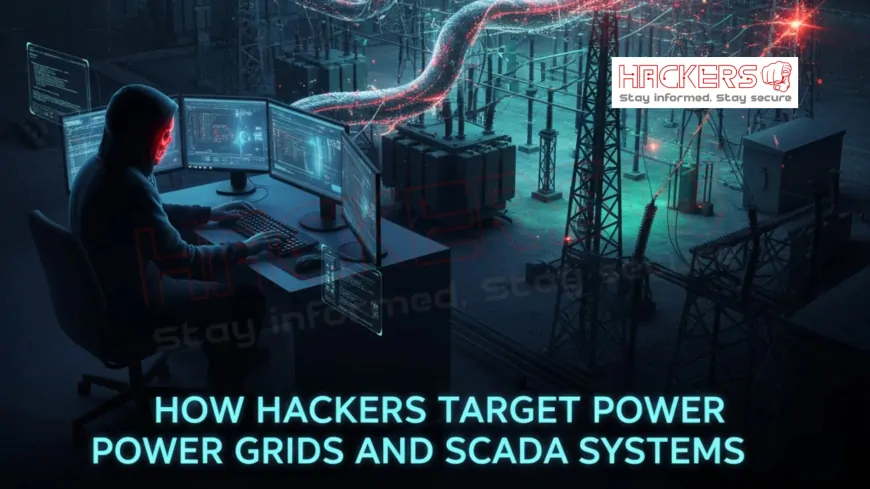
Table of Contents
- What Are Power Grids and SCADA Systems?
- Why Do Hackers Target These Systems?
- Common Methods Hackers Use
- Real-World Examples of Attacks
- Key Vulnerabilities in SCADA Systems
- Detailed Attack Vectors
- How to Prevent These Attacks
- Conclusion
What Are Power Grids and SCADA Systems?
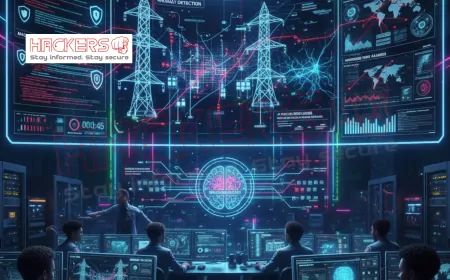
Power grids are the networks that deliver electricity from power plants to homes and businesses. They include generators, transmission lines, substations, and distribution systems. At the heart of managing these grids are SCADA systems. SCADA stands for Supervisory Control and Data Acquisition. It is a type of industrial control system (ICS) that collects data from sensors and controls equipment remotely.
Think of SCADA as a central command center. It monitors things like voltage levels, switch positions, and power flow. Operators use SCADA to make adjustments in real time, ensuring the grid runs smoothly. These systems often connect to the internet or corporate networks for remote access, which unfortunately creates entry points for hackers.
Why Do Hackers Target These Systems?
Hackers have various motivations. Some are nation-state actors aiming to disrupt enemy infrastructure during conflicts. Others are cybercriminals seeking ransom. Activists might target grids to make political statements. The impact of a successful attack is huge: blackouts can cost billions in economic damage, endanger lives, and erode public trust.
- Geopolitical reasons: Countries use cyber attacks as weapons without firing a shot.
- Financial gain: Ransomware can force utilities to pay to restore service.
- Ideological goals: Hacktivists protest against energy policies or companies.
- Espionage: Stealing data on grid operations for future attacks.
Common Methods Hackers Use
Hackers do not just randomly poke at systems. They follow structured approaches. First, they gather information (reconnaissance). Then, they find a way in (initial access). Once inside, they move laterally, escalate privileges, and finally achieve their goal, like causing a blackout.
A key tool is malware, software designed to harm or control systems. Phishing emails trick employees into clicking links or downloading files. Supply chain attacks compromise vendors that utilities rely on.
Real-World Examples of Attacks
History shows these threats are real. In 2015, hackers caused blackouts in Ukraine affecting 225,000 people. They used phishing to gain access, then deployed malware to open circuit breakers.
In 2016, the same group struck again, disrupting Kyiv's power for an hour. More recently, ransomware has hit utilities worldwide, forcing some to pay millions.
| Year | Incident | Location | Impact |
|---|---|---|---|
| 2015 | BlackEnergy Malware Attack | Ukraine | Blackout for 225,000 customers |
| 2016 | CrashOverride Malware | Ukraine | One-hour power disruption in Kyiv |
| 2021 | Colonial Pipeline Ransomware | USA | Fuel shortage across East Coast (related infrastructure) |
| 2023 | Ransomware on Utility Provider | Denmark | Temporary service interruptions |
Key Vulnerabilities in SCADA Systems
Many SCADA systems were built decades ago, before cybersecurity was a priority. They use outdated protocols without encryption. Default passwords are common. Devices are hard to patch because downtime affects operations.
- Legacy systems: Old software with known flaws.
- Lack of segmentation: IT and OT (operational technology) networks connected.
- Insider threats: Disgruntled employees or contractors.
- Remote access tools: VPNs or modems with weak security.
Detailed Attack Vectors
Let's dive deeper into how attacks happen.
Phishing and Social Engineering
Emails pretending to be from trusted sources contain malicious attachments. Once opened, malware installs. This is the most common entry point.
Malware and Ransomware
Custom malware like Stuxnet (which targeted Iran's nuclear program but showed SCADA risks) or Industroyer can manipulate controls. Ransomware encrypts data, demanding payment.
Supply Chain Compromises
Hackers breach a vendor's software update system and insert backdoors. Utilities download the tainted update, infecting their networks.
Zero-Day Exploits
Unknown vulnerabilities in software are exploited before patches exist. Nation-states often stockpile these.
Insider Attacks
Someone with access intentionally sabotages systems. This could be for revenge or bribery.
Man-in-the-Middle Attacks
Hackers intercept communications between SCADA components, altering commands to cause failures.
To illustrate the steps in a typical attack, consider this process:
- Reconnaissance: Scanning public IP addresses for SCADA protocols like Modbus or DNP3.
- Initial access: Phishing or exploiting a web portal.
- Persistence: Installing backdoors to stay in the system.
- Discovery: Mapping the network to find critical controllers.
- Execution: Sending fake commands to trip breakers or overload lines.
- Impact: Causing physical damage or blackouts.
Expanding on reconnaissance, hackers use tools like Shodan, a search engine for internet-connected devices. They look for exposed SCADA interfaces. Once found, they probe for weak authentication.
In the Ukraine attacks, hackers spent months inside the network, learning the environment before striking. They used legitimate credentials stolen via phishing.
Another vector is USB devices. Employees might plug in infected drives, spreading worms like Stuxnet did in air-gapped (isolated) systems.
Wireless networks add risks. Some substations use radio or cellular for communication, which can be intercepted.
How to Prevent These Attacks
Defense requires layers. No single solution works.
- Network segmentation: Separate IT and OT networks with firewalls.
- Multi-factor authentication (MFA): For all remote access.
- Regular patching: Update systems without causing downtime, using virtual patches if needed.
- Employee training: Teach phishing recognition.
- Intrusion detection: Monitor for anomalous behavior in SCADA traffic.
- Incident response plans: Practice blackout scenarios.
- Air-gapping critical systems: Where possible, avoid internet connections.
- Vendor management: Audit third-party security.
Governments help too. Standards like NIST Cybersecurity Framework or IEC 62443 guide utilities. International cooperation shares threat intelligence.
Emerging tech like AI can detect unusual patterns faster than humans. Blockchain might secure supply chains.
Conclusion
Power grids and SCADA systems are critical to modern life, but they are also attractive targets for hackers. By understanding methods like phishing, malware, and supply chain attacks, we see the risks clearly. Real incidents in Ukraine and elsewhere prove these are not theoretical. Vulnerabilities stem from legacy designs and connectivity needs. Prevention involves technical fixes, training, and planning. As cyber threats evolve, so must defenses. Utilities, governments, and individuals all play a role in keeping the lights on. Staying informed is the first step toward a more secure future.
What is SCADA?
SCADA stands for Supervisory Control and Data Acquisition. It is a system used to monitor and control industrial processes, like power distribution, remotely.
Why are power grids vulnerable to hackers?
Many grids use old systems without modern security. They connect to the internet for remote management, creating entry points. Default settings and lack of updates add risks.
How do hackers start an attack on a SCADA system?
Most start with phishing emails to trick employees into giving access. They might also scan the internet for exposed devices.
What was the Ukraine power grid attack?
In 2015 and 2016, hackers used malware to cause blackouts in Ukraine. They opened circuit breakers remotely, leaving hundreds of thousands without power.
Can ransomware affect power grids?
Yes. Ransomware encrypts files or locks controls, forcing payment to restore access. Some utilities have paid to avoid prolonged outages.
What is a supply chain attack on infrastructure?
Hackers compromise a vendor's software or hardware. When the utility installs an update, it introduces malware into their system.
Are SCADA systems air-gapped?
Some are, meaning no internet connection. But many need connectivity for operations, reducing true isolation.
How does malware like Stuxnet work?
Stuxnet spread via USB, targeted specific industrial controllers, and altered operations subtly, like speeding up centrifuges to cause failure.
What role does insider threat play?
Employees or contractors with access can sabotage systems intentionally. Weak vetting or grudges increase this risk.
Can zero-day exploits target power grids?
Yes. These are unknown flaws. Advanced hackers use them before vendors can patch.
What is network segmentation?
It divides networks into zones. IT (office) separate from OT (control) systems so a breach in one does not spread.
How important is employee training?
Very. Most breaches start with human error, like clicking phishing links. Training reduces this.
What standards help secure SCADA?
NIST frameworks, IEC 62443, and NERC CIP provide guidelines for risk management and controls.
Can AI help defend grids?
Yes. AI analyzes traffic for anomalies, predicting attacks faster than rules-based systems.
Are wireless communications in grids secure?
Not always. Encryption is needed, but older systems lack it, allowing interception.
What is man-in-the-middle in SCADA?
Hackers intercept data between devices, altering commands to mislead operators or damage equipment.
How do utilities respond to incidents?
They have plans: isolate affected areas, restore from backups, investigate, and report to authorities.
Is physical security important for cyber defense?
Yes. Securing substations prevents tampering that could aid digital attacks.
What future threats exist for power grids?
Quantum computing could break encryption. IoT devices add more entry points. Geopolitical tensions increase state-sponsored attacks.
How can individuals help protect grids?
Report suspicious activity near infrastructure. Support policies for better funding in cybersecurity. Stay informed on energy resilience.
What's Your Reaction?