













How Cybersecurity Started: A Simple Timeline of Early Digital Security
In today's world, where we rely on computers and the internet for almost everything, cybersecurity is a big deal. But have you ever wondered how it all began? Picture this: in the early days of computing, machines were huge, filled entire rooms, and were used mostly by governments and researchers. There were no hackers sneaking into your email or viruses crashing your laptop. Yet, as technology grew, so did the need to protect it. This blog post takes you on a journey through the early history of digital security. We will explore the key events, the people involved, and how these moments shaped the cybersecurity we know today. Whether you are new to tech or just curious, this simple timeline will help you understand the roots of keeping our digital world safe.
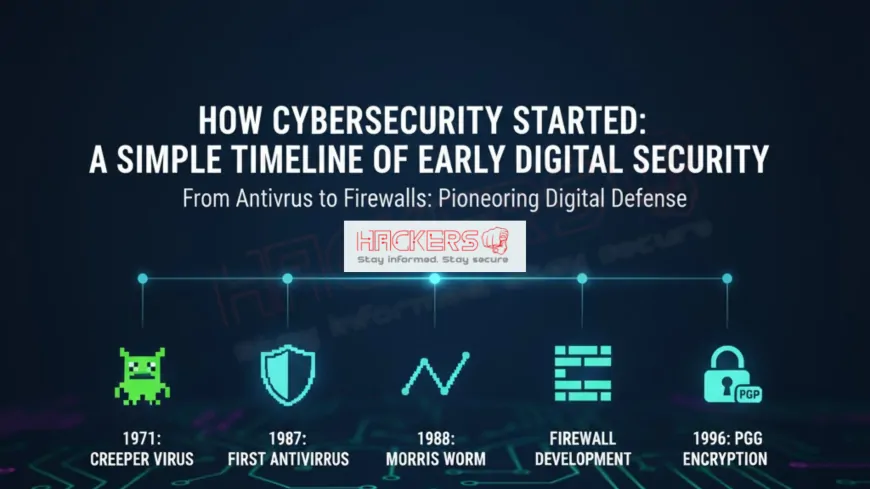
Table of Contents
- The Beginnings: Pre-1960s
- The 1960s: Dawn of Computing Networks
- The 1970s: First Threats and Responses
- The 1980s: Worms, Viruses, and Antivirus Software
- The 1990s: The Internet Boom and New Defenses
- A Quick Timeline Table
- Conclusion
- Frequently Asked Questions
The Beginnings: Pre-1960s
Before the 1960s, the idea of cybersecurity did not really exist in the way we think of it now. Computers were just starting to appear, and they were massive machines used for specific tasks, like calculations during wars or scientific research. However, the foundations for digital security were being laid during this time.
Let's go back to the 1940s. World War II was a turning point for technology. Machines like the ENIAC, built in 1945, were among the first electronic computers. They helped with military calculations, such as figuring out trajectories for artillery. But security? It was more about physical protection, like guarding the rooms where these machines were kept. No one was worried about digital threats because computers were not connected to each other.
During the war, cryptography, which is the practice of secure communication in the presence of third parties, became crucial. The Enigma machine, used by Germany to encode messages, showed how important it was to protect information. Allied forces, including codebreakers at Bletchley Park in the UK, worked to crack these codes. This effort highlighted the power of encrypted data and the need to defend it. Alan Turing, a key figure in this work, is often called the father of modern computing. His ideas influenced how we think about secure systems today.
In 1949, mathematician John von Neumann wrote about self-replicating programs. These are pieces of code that can copy themselves. While he meant it for theoretical purposes, like automating tasks, this concept later became the basis for computer viruses. It was an early hint that software could behave in unexpected ways, potentially causing harm if not controlled.
Moving into the 1950s, the Cold War brought new concerns. The United States created the National Security Agency, or NSA, in 1952. This organization focused on protecting government communications and gathering intelligence. Computers started handling sensitive data, like military plans and spy information. This led to early ideas about access control: who could use the machines and how to keep data safe from unauthorized eyes.
At this stage, threats were mostly from human error or physical theft, not digital attacks. But as computers became more common in government and research labs, the need for basic security measures grew. Passwords and locked rooms were the first lines of defense. These early steps set the stage for what would come next, as computers began to connect and share information.
This period reminds us that cybersecurity started with protecting physical machines and secret codes, long before the internet. It was about safeguarding information in a world where technology was just emerging. Understanding these roots helps us see how far we have come.
The 1960s: Dawn of Computing Networks
The 1960s marked a shift. Computers were no longer isolated giants; people started thinking about connecting them. This created new opportunities, but also new risks. Cybersecurity began to take shape as a field because of these connections.
One key development was in 1962 at MIT, where the first computer passwords were introduced. Students had limited time on shared computers, so passwords helped control access and provide privacy. However, even then, clever students like Allan Scherr found ways around it. He printed out all the passwords using a punch card, allowing extra time for himself and friends. This early "hack" showed that security measures could be bypassed, a lesson that still applies today.
In 1965, Donald Davies proposed packet switching. This is a way to break data into small packets and send them over networks. It made communication more efficient and less prone to interception, as packets could take different paths. This idea became fundamental to the internet and secure data transmission.
The big milestone came in 1969 with ARPANET, funded by the U.S. Department of Defense. ARPANET was the first network that allowed computers to communicate over long distances. The first message sent was "LO," short for "LOGIN," but the system crashed before finishing. Still, it proved computers could share data, opening doors for research and collaboration.
But with connection came vulnerability. In 1969, the RABBITS virus appeared at the University of Washington. It replicated itself until the computer shut down. Though not malicious, it demonstrated how programs could overwhelm systems. This was one of the first signs that digital threats could spread without human help.
During this decade, threats were mostly experimental or accidental. Researchers were exploring what computers could do, not trying to cause harm. However, these events planted the seeds for cybersecurity. People realized that as networks grew, so did the need to protect them from unauthorized access or disruptive code.
The 1960s taught us that innovation brings risks. Connecting computers was exciting, but it meant thinking about security from the start. This era transitioned cybersecurity from physical protection to defending digital networks.
The 1970s: First Threats and Responses
By the 1970s, computers were becoming more accessible, and networks like ARPANET were expanding. This led to the first real digital threats and the beginnings of organized responses. Cybersecurity started to look like a necessity, not just an afterthought.
In 1971, Bob Thomas created the Creeper program. It was an experiment on ARPANET, moving from computer to computer and displaying a message: "I'm the creeper, catch me if you can." It was harmless, but it showed how code could travel independently through networks. This was the first computer worm, a type of malware that spreads on its own.
In response, Ray Tomlinson developed Reaper in 1971 or 1973, depending on the source. Reaper hunted down and deleted Creeper instances. It was the first antivirus software, proving that threats could be countered with defensive programs. This cat-and-mouse game between threats and defenses became a hallmark of cybersecurity.
Another important advancement was the Diffie-Hellman key exchange in 1976. Created by Whitfield Diffie and Martin Hellman, this method allows two parties to agree on a secret key over an insecure channel. It is like whispering a secret in a crowded room without anyone overhearing. This breakthrough made encryption more practical and is still used in secure communications today.
In 1977, the U.S. government adopted the Data Encryption Standard, or DES. This was a standard way to encrypt data, making it unreadable without the right key. It was used for protecting sensitive information in electronic communications. DES showed that governments were taking digital security seriously.
During this time, hackers like Kevin Mitnick began their activities. Mitnick used social engineering, which means tricking people into giving up information, to access systems. His actions from the 1970s into the 1990s highlighted that security was not just about technology, but also about human behavior.
The 1970s were about recognizing that digital threats were real. Early viruses and worms prompted the creation of antivirus tools and encryption standards. This decade built the foundation for modern cybersecurity practices, emphasizing prevention and response.
The 1980s: Worms, Viruses, and Antivirus Software
The 1980s saw personal computers enter homes and offices, making technology part of everyday life. With more users came more threats, and cybersecurity evolved rapidly to keep up.
In 1983, a group called the 414s hacked into ARPANET systems. Named after their area code, these teenagers exposed weaknesses in early networks. Their actions led to arrests and prompted better security protocols. It was a wake-up call that even kids could breach systems.
The Brain virus appeared in 1986, spreading via floppy disks. It was one of the first to target personal computers, showing how threats could move through physical media. This highlighted the need for caution with shared files.
In 1987, the Vienna virus emerged, which could destroy files. Bernd Robert Fix created a program to neutralize it, marking one of the first successful antivirus efforts. That same year, John McAfee founded his company and released VirusScan, the first commercial antivirus software. It scanned for known threats and became a model for future products.
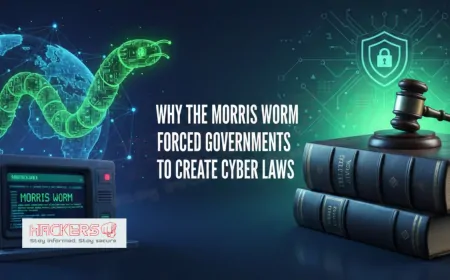
The most famous event was the Morris Worm in 1988. Created by Robert Tappan Morris, a graduate student, it exploited vulnerabilities in the early internet. The worm replicated uncontrollably, slowing down about 10 percent of connected computers and causing millions in damages. Morris was the first person convicted under the Computer Fraud and Abuse Act. This incident led to the creation of the Computer Emergency Response Team, or CERT, to coordinate responses to threats.
By the end of the decade, antivirus companies like Norton and Kaspersky were emerging. They used signature-based detection, comparing files to known malware patterns. This approach helped, but new threats kept appearing.
The 1980s transformed cybersecurity from a niche concern to a growing industry. Personal computers meant everyone needed protection, and events like the Morris Worm showed the potential for widespread disruption.
The 1990s: The Internet Boom and New Defenses
The 1990s were explosive for the internet. Millions went online, e-commerce started, and cyber threats multiplied. Cybersecurity became essential for businesses and individuals alike.
In 1991, polymorphic viruses appeared. These could change their code to avoid detection, making them harder to stop with traditional antivirus. It forced security experts to develop more advanced tools.
Firewalls became popular in the early 1990s. A firewall is like a digital gatekeeper, controlling what data enters or leaves a network. They helped protect against unauthorized access.
In 1995, the term "ethical hacking" was coined by IBM's John Patrick. Ethical hackers, or white hats, test systems for vulnerabilities to improve security. This contrasted with black hats, who hack for harm. Kevin Mitnick's arrest in 1995 after years of hacking underscored the need for laws and ethical practices.
The Melissa virus in 1999 spread via email attachments, infecting Microsoft Outlook users and causing $80 million in damages. It disabled security features and emailed itself to contacts, showing how fast threats could spread online.
Phishing attacks also started in the 1990s, where scammers tricked people into revealing information via fake emails. This added a human element to threats.
By the late 1990s, intrusion detection systems monitored networks for suspicious activity. Companies invested in security, and governments passed laws like the Computer Fraud and Abuse Act updates.
The 1990s showed that as the internet grew, so did the need for layered defenses. It was a time of innovation in security tools and awareness.
A Quick Timeline Table
A Complete Timeline of Early Cybersecurity Milestones
| Year | Event | Description |
|---|---|---|
| 1945 | ENIAC Built | One of the first electronic computers, used for military calculations. |
| 1952 | NSA Created | U.S. agency for securing communications and intelligence. |
| 1962 | First Passwords at MIT | Introduced for access control on shared computers. |
| 1969 | ARPANET Launched | Precursor to the internet, enabling computer communication. |
| 1971 | Creeper Worm | First self-replicating program on ARPANET. |
| 1971 | Reaper Antivirus | Created to remove Creeper. |
| 1976 | Diffie-Hellman Key Exchange | Method for secure key sharing over insecure channels. |
| 1977 | Data Encryption Standard (DES) | Standard for encrypting digital data. |
| 1983 | 414s Hacking Group | Exposed vulnerabilities in ARPANET. |
| 1986 | Brain Virus | Spread via floppy disks. |
| 1987 | VirusScan Released | First commercial antivirus by McAfee. |
| 1988 | Morris Worm | First major internet worm, causing widespread disruption. |
| 1991 | Polymorphic Viruses | Viruses that mutate to evade detection. |
| 1995 | Ethical Hacking Term Coined | By IBM's John Patrick. |
| 1999 | Melissa Virus | Email-spreading virus causing $80 million in damages. |
Conclusion
Looking back at the early history of cybersecurity, we see a story of innovation and adaptation. From the massive computers of the 1940s to the internet boom of the 1990s, each step brought new ways to connect and share, but also new risks. Key events like the Creeper worm, the Morris Worm, and the development of antivirus software showed that threats evolve, and so must our defenses. Today, cybersecurity is a vast field, protecting everything from personal devices to global networks. By understanding these beginnings, we can appreciate the importance of staying vigilant in our digital lives. The journey started simple, but it has grown into a critical part of our world.
What was the first computer virus?
The first computer virus is often considered the Creeper program, created in 1971 by Bob Thomas. It was a self-replicating code that moved through ARPANET and displayed a harmless message.
When did cybersecurity start?
Cybersecurity started in the 1940s with efforts to protect early computers and encrypted communications during World War II, but it became more formalized in the 1960s and 1970s.
Who invented the first antivirus software?
Ray Tomlinson created the Reaper program in 1971 to remove the Creeper worm, making it the first antivirus software.
What is ARPANET?
ARPANET was a network developed in 1969 by the U.S. Department of Defense, serving as the precursor to the modern internet.
Why were passwords introduced?
Passwords were first introduced in 1962 at MIT to limit student access time on shared computers and provide privacy.
What was the Morris Worm?
The Morris Worm, released in 1988, was the first major internet worm that replicated and caused disruptions across connected computers.
Who is Kevin Mitnick?
Kevin Mitnick was a famous hacker active from the 1970s to 1990s, known for using social engineering to access systems; he later became a cybersecurity consultant.
What is packet switching?
Packet switching, proposed in 1965, is a method of breaking data into packets for efficient and secure transmission over networks.
When was the first commercial antivirus released?
The first commercial antivirus, VirusScan, was released in 1987 by John McAfee.
What is the Diffie-Hellman key exchange?
It is a 1976 method for two parties to securely agree on a shared secret key over an insecure channel.
What was the Vienna virus?
The Vienna virus, from 1987, was a file-destroying virus that was one of the first to be neutralized by an antivirus program.
Why was the NSA created?
The NSA was created in 1952 to protect U.S. communications and gather foreign intelligence during the Cold War.
What are polymorphic viruses?
Polymorphic viruses, emerging in 1991, change their code to avoid detection by antivirus software.
What was the Melissa virus?
The Melissa virus, in 1999, spread via email and caused significant financial damage by infecting Microsoft Outlook users.
When did ethical hacking begin?
The term ethical hacking was coined in 1995 by John Patrick of IBM, referring to testing systems for vulnerabilities.
What is the Data Encryption Standard?
The Data Encryption Standard, or DES, adopted in 1977, was a method for encrypting digital data to protect it.
Who were the 414s?
The 414s were a teenage hacking group in 1983 that breached ARPANET systems, highlighting network vulnerabilities.
What was the Brain virus?
The Brain virus, from 1986, was one of the first to spread via floppy disks on personal computers.
Why is the Enigma machine important?
The Enigma machine, used in World War II, showed the importance of encryption and led to advances in codebreaking.
What did John von Neumann contribute?
In 1949, John von Neumann described self-replicating programs, which influenced the concept of computer viruses.
What's Your Reaction?