
























Why Is Data Encryption Crucial for IoT Communication?
Imagine your smart thermostat quietly whispering to your phone about the perfect room temperature. Or your fitness tracker sending your heart rate to the cloud while you jog. Now picture someone standing in the middle, listening to every word. That’s the reality of IoT communication without encryption. Every day, billions of devices talk to each other over the internet. They share everything from your location to your sleep patterns. But without protection, this data is like a postcard: anyone can read it. Encryption is the sealed envelope that keeps your information private and safe. In this blog post, we’ll explore why encryption isn’t just a nice-to-have feature in IoT. It’s the difference between a secure, trusted future and a world of stolen data and broken trust. Whether you’re a homeowner with a smart doorbell or a business running connected machines, this guide will show you why encryption matters and how it works, all in plain language.
Table of Contents
- What Is Data Encryption and How Does It Work?
- How IoT Devices Communicate: The Risks of Being Open
- Why Encryption Is Crucial: 7 Key Reasons
- Real-World Examples of IoT Breaches Without Encryption
- Types of Encryption Used in IoT
- Comparison of IoT Encryption Methods
- How to Implement Encryption in IoT Systems
- Challenges and Solutions in IoT Encryption
- Conclusion: Encryption Is the Foundation of Safe IoT
- Frequently Asked Questions
What Is Data Encryption and How Does It Work?
Encryption is like a secret code. It takes normal information, called plaintext, and scrambles it into something unreadable, called ciphertext. Only someone with the right key can unscramble it back to the original message.
Think of it this way: you write a note and lock it in a box. You send the box to your friend, who has the only key. Even if someone steals the box, they can’t read the note. In digital terms, the lock is the encryption algorithm, and the key is a long string of numbers and letters.
There are two main types:
- Symmetric Encryption: Uses the same key to lock and unlock. Fast, but both sides must securely share the key first.
- Asymmetric Encryption: Uses a public key to lock and a private key to unlock. Slower, but safer for sharing over the internet.
IoT devices often use a mix of both for speed and security.
How IoT Devices Communicate: The Risks of Being Open
IoT devices talk in different ways. A smart light bulb might send "turn on" to a hub over Wi-Fi. A factory sensor might report temperature to a server via cellular. Much of this happens over public networks, like the internet or shared wireless signals.
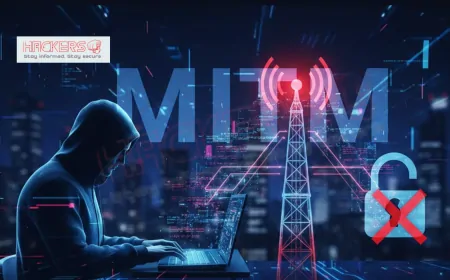
Without encryption, anyone with the right tools can listen in. This is called a man-in-the-middle attack. Hackers use free software to capture unencrypted data packets as they travel. They see everything: your location, habits, even medical readings from a health monitor.
Worse, they can change the data. Imagine a hacker altering a smart insulin pump’s dosage command. The results could be deadly.
Key Point: Unencrypted IoT communication is like shouting private information in a crowded room. Anyone nearby can hear, record, or interfere.
Why Encryption Is Crucial: 7 Key Reasons
Encryption isn’t just technical. It protects real people and businesses. Here are the top reasons it’s essential:
- Privacy Protection: Keeps personal data like location, health, or home activity secret from hackers, corporations, or governments.
- Data Integrity: Ensures messages aren’t altered in transit. A command to "open door" stays exactly that.
- Authentication: Proves the sender is who they say they are. Prevents fake devices from joining the network.
- Regulatory Compliance: Laws like GDPR, HIPAA, and CCPA require encryption for sensitive data. Fines for non-compliance can reach millions.
- Trust in IoT: Consumers won’t use smart devices if they fear spying. Encryption builds confidence.
- Prevents Financial Loss: Encrypted data is useless to thieves. Reduces risk of ransomware or blackmail.
- Safety in Critical Systems: In hospitals, factories, or cars, encrypted commands prevent life-threatening sabotage.
Without encryption, IoT becomes a liability, not a benefit.
Real-World Examples of IoT Breaches Without Encryption
History is full of warnings.
Case 1: Baby Monitor Hack (2015)
A couple in Ohio heard a stranger’s voice coming from their baby’s room. A hacker had accessed their unencrypted camera and was watching live. The device used no encryption and default passwords. The family unplugged it in panic.
Case 2: Jeep Cherokee Remote Hack (2015)
Researchers remotely took control of a Jeep on a highway. They used unencrypted cellular communication to send fake commands to the car’s systems. Chrysler recalled 1.4 million vehicles to add network security, including encryption.
Case 3: Casino Data Theft via Fish Tank (2018)
Hackers broke into a casino’s network through an internet-connected fish tank thermometer. The device sent temperature data in plain text. Once inside, attackers stole high-roller data. The tank had no encryption at all.
These aren’t rare. Weak or missing encryption is a common thread in IoT breaches.
Types of Encryption Used in IoT
Not all encryption is the same. IoT uses several standards:
- AES (Advanced Encryption Standard): The gold standard. Used by governments and banks. Fast and secure, even on small devices.
- TLS/SSL: Secures web communication (like HTTPS). IoT devices use lightweight versions like TLS 1.3.
- DTLS: TLS for unreliable networks, like wireless sensors that may lose packets.
- ECDSA: Digital signatures to verify device identity. Prevents fake devices from sending data.
- Lightweight Cryptography: New algorithms like ASCON for tiny devices with little battery or memory.
Modern IoT chips now include hardware acceleration for AES and ECC, making encryption fast and energy-efficient.
Comparison of IoT Encryption Methods
Different situations need different tools. Here’s how common methods compare:
| Method | Security Level | Speed | Device Impact | Best For |
|---|---|---|---|---|
| AES-256 | Very High | Fast (with hardware) | Low | Medical, industrial, smart home |
| TLS 1.3 | High | Moderate | Medium | Cloud-connected devices |
| DTLS | High | Moderate | Medium | Wireless sensors, mesh networks |
| Lightweight (ASCON) | Medium-High | Very Fast | Very Low | Battery-powered tags, RFID |
Choose based on your device’s power, speed, and risk level. Most modern systems use AES with TLS.
How to Implement Encryption in IoT Systems
You don’t need to code it yourself. Here’s how to add encryption:
- Use Secure Protocols: Always use HTTPS, MQTT with TLS, or CoAP with DTLS instead of plain versions.
- Enable Device Certificates: Each device gets a unique digital ID. Servers only talk to verified devices.
- Update Firmware: New versions often include stronger encryption. Automate updates securely.
- Secure Boot: Ensures only signed, encrypted firmware loads at startup.
- End-to-End Encryption: Data stays encrypted from device to final destination, not just to the cloud.
- Work with Experts: For businesses, partner with IoT platforms like AWS IoT, Azure IoT, or Google Cloud IoT that handle encryption automatically.
Home users: buy devices that say "encrypted communication" or support Matter/Thread standards. These include encryption by default.
Challenges and Solutions in IoT Encryption
Encryption isn’t perfect. Here are common issues and fixes:
- Battery Drain: Encryption uses power. Solution: Use hardware-accelerated chips and lightweight algorithms.
- Processing Limits: Tiny devices struggle with complex math. Solution: Offload heavy tasks to gateways or the cloud.
- Key Management: Losing keys locks you out. Solution: Use secure key storage chips (like TPM) and automatic rotation.
- Legacy Devices: Old systems can’t encrypt. Solution: Isolate them on separate networks or replace them.
- Cost: Secure chips cost more. Solution: Long-term savings from avoiding breaches far outweigh upfront costs.
The industry is solving these. New standards like PSA Certified and NIST guidelines help manufacturers build encryption in from day one.
Conclusion: Encryption Is the Foundation of Safe IoT
The Internet of Things is growing fast. By 2030, over 25 billion devices will be connected. They’ll run our homes, hospitals, factories, and cities. But none of this works without trust. And trust begins with encryption. It protects your privacy, ensures commands are real, and keeps critical systems safe from sabotage. From a $10 smart plug to a $10 million industrial robot, every IoT device must encrypt its communication. It’s not optional. It’s the foundation of a secure digital future. Manufacturers, developers, and users all have a role. Choose encrypted devices. Demand secure protocols. Update regularly. The technology exists. The standards are clear. Now it’s up to us to use them. When every IoT message is locked tight, we all win: safer homes, stronger businesses, and a more trustworthy world.
Frequently Asked Questions
What is data encryption in simple terms?
It’s scrambling information so only the intended recipient with the right key can read it. Like a secret code.
Why can’t IoT devices just use passwords?
Passwords control access, but data still travels openly. Encryption protects the data itself, even if someone intercepts it.
Is encryption the same as HTTPS?
HTTPS uses encryption (TLS), but encryption can work without HTTPS, like in private networks or device-to-device communication.
Does encryption slow down IoT devices?
Modern chips make it fast. The delay is tiny, and security is worth it.
Can hackers break encryption?
Strong encryption like AES-256 would take billions of years to crack with today’s computers. Weak or outdated types can be broken.
What is end-to-end encryption in IoT?
Data stays encrypted from the device all the way to the final app or server. Even the cloud provider can’t read it.
Do all IoT devices need encryption?
Yes. Even a light bulb sending "on/off" can reveal your schedule if unencrypted.
What is TLS and why is it important?
Transport Layer Security encrypts data between devices and servers. It’s the "S" in HTTPS and essential for safe IoT.
Can encryption protect against physical theft?
No, but it keeps stolen data unreadable. Combine with device locking for full protection.
Is lightweight encryption safe?
Yes, when designed properly. It’s made for small devices but still resists attacks.
Who manages encryption keys in IoT?
Secure systems use hardware chips or cloud services to generate, store, and rotate keys automatically.
Does encryption use a lot of battery?
Older methods did. New hardware-accelerated encryption uses very little power.
Are there laws requiring IoT encryption?
Yes. GDPR, HIPAA, and new IoT security laws in the EU, UK, and California mandate encryption for personal data.
Can I add encryption to old IoT devices?
Sometimes, via firmware updates. If not, isolate them or replace them.
What is a man-in-the-middle attack?
A hacker intercepts communication between two devices and reads or changes the data. Encryption stops this.
Is Wi-Fi encryption enough for IoT?
WPA3 helps, but it only protects up to the router. Use TLS or device-level encryption for full safety.
How do I know if my IoT device uses encryption?
Check the manual, app, or manufacturer’s website. Look for TLS, AES, or "encrypted communication."
Can encryption prevent ransomware?
It doesn’t stop infection, but encrypted data can’t be stolen or held for ransom.
Will quantum computers break IoT encryption?
Eventually. That’s why post-quantum encryption is being developed now.
What’s the easiest way to ensure IoT encryption?
Buy devices certified by Matter, Thread, or PSA Certified. They include encryption by design.
What's Your Reaction?