





































Why Are Global Airlines Facing a Rise in Cyberattacks in 2025?
Imagine boarding a flight, excited for your vacation, only to find out that a cyberattack has delayed your departure by hours. Or worse, your personal data, like your passport details, has been stolen from the airline's system. This scenario is becoming all too common in 2025. Reports show a staggering 600 percent increase in cyberattacks on the aviation sector compared to last year. Airlines around the world are dealing with more threats than ever before. But why is this happening now? In this blog post, we will explore the reasons behind this rise, look at real examples, and discuss what can be done to protect the skies. Whether you are a frequent flyer or just curious about technology and security, this guide will break it down in simple terms.
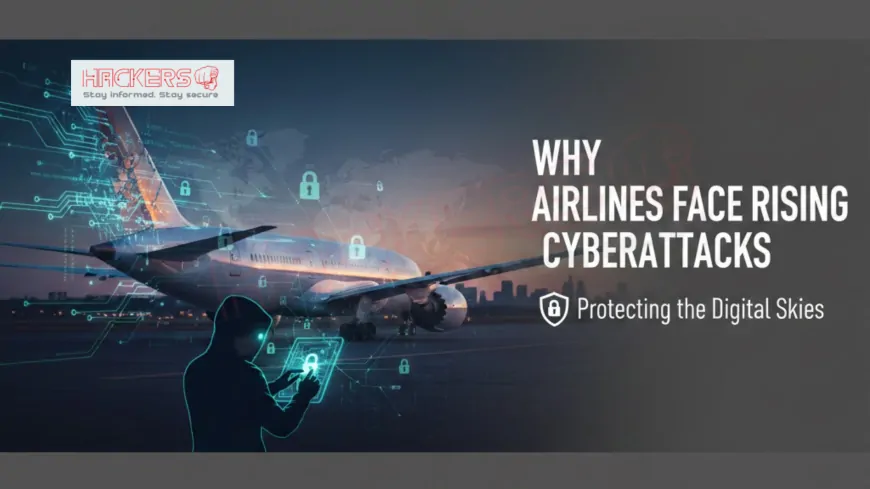
Table of Contents
- Introduction
- The Impact of Increased Digitalization
- Vulnerabilities in Supply Chains and Third Parties
- The Surge in Ransomware and Sophisticated Attacks
- Geopolitical Tensions and Targeted Attacks
- Rising Travel Demand and More Data Targets
- The Role of AI and Advanced Technologies
- Challenges with Legacy Systems
- Real-World Examples of Attacks in 2025
- The Impacts on Airlines and Passengers
- Steps Toward Better Protection
- Conclusion
- Frequently Asked Questions
Introduction
The aviation industry has always been a symbol of progress and connectivity. In 2025, with air travel rebounding to record levels after global disruptions, airlines are relying more on technology to keep things running smoothly. From online booking systems to in-flight entertainment, digital tools are everywhere. However, this reliance has opened the door to cybercriminals. According to experts, the aviation sector is now seeing cyberattacks at a rate six times higher than in previous years. This blog will explain the key factors driving this trend, using clear examples and avoiding complex terms where possible. If we do use any technical words, we will explain them right away. Let's dive in and understand why airlines are under siege in the digital age.
The Impact of Increased Digitalization
Airlines have embraced digital tools to make travel easier and more efficient. Think about how you book tickets online, check in via an app, or even track your luggage in real time. These conveniences come from interconnected systems that share data across devices and networks. Unfortunately, more connections mean more entry points for hackers.
In 2025, the push for smarter airports and aircraft has accelerated this trend. Internet of Things devices, or IoT for short, are sensors and gadgets connected to the internet. They are used in everything from baggage handling to aircraft maintenance. While they improve operations, they also create risks if not secured properly. Hackers can exploit weak spots in these devices to gain access to larger systems.
Another factor is the shift to cloud storage. Airlines store vast amounts of data online for quick access. This is great for business, but it means that a single breach can expose sensitive information. Reports from security firms like Thales highlight how this digital shift has led to a 600 percent jump in attacks. Simply put, the more digital an airline becomes, the bigger the target it presents.
Vulnerabilities in Supply Chains and Third Parties
Airlines do not operate in isolation. They rely on a network of suppliers, from software providers to ground handling services. These third parties often have access to airline systems, creating what experts call supply chain vulnerabilities. If a hacker breaks into a vendor's system, they can jump to the airline's network.
In 2025, several major attacks started this way. For instance, contact center providers, which handle customer calls and data, have been hit hard. When these services are compromised, hackers gain entry to passenger details without directly attacking the airline. This chain reaction is a big reason for the rise in incidents.
To illustrate, consider how one weak link can affect many. A single software update from a third-party tool could introduce malware, which is harmful software designed to disrupt or steal. Airlines must now vet their partners more carefully, but with global operations, this is easier said than done.
The Surge in Ransomware and Sophisticated Attacks
Ransomware is a type of cyberattack where hackers lock up data and demand payment to release it. In the aviation world, this can halt operations, leading to flight delays or cancellations. Data from 2025 shows a 600 percent increase in such attacks on airlines and airports.
Groups like Scattered Spider are behind many of these. They use social engineering, which means tricking people into giving away information, often through fake emails or calls. Once inside, they deploy ransomware quickly. The speed and complexity of these attacks have grown, making them harder to stop.
Why airlines? They handle critical operations where downtime costs millions. Hackers know airlines might pay to get back online fast. This financial incentive drives more attacks, turning the industry into a lucrative target.
Geopolitical Tensions and Targeted Attacks
World events play a role in cyber threats. In 2025, ongoing conflicts and rivalries have led to state-sponsored attacks on critical infrastructure, including aviation. Airlines can be seen as symbols of national pride or economic strength, making them appealing targets for political motives.
For example, hacktivist groups, who attack for ideological reasons, have disrupted airport systems in Europe and Asia. These attacks are not just about money; they aim to cause chaos and send messages. With tensions high in regions like the Middle East and Eastern Europe, airlines from involved countries face extra risks.
This geopolitical angle adds another layer to the problem. It's not just random hackers; sometimes, it's organized efforts backed by governments or large groups.
Rising Travel Demand and More Data Targets
Air travel is booming in 2025, with more passengers than ever. This means more data being collected: names, addresses, payment details, and travel histories. All this information is gold for cybercriminals who can sell it on the dark web or use it for identity theft.
With higher demand comes more online interactions. Busy seasons like summer holidays see spikes in bookings, and hackers time their attacks to maximize disruption. Reports note that the post-pandemic recovery has amplified this, as airlines rush to scale up digital services without always updating security.
In short, more travelers equal more opportunities for attacks. It's a simple equation that's contributing to the rise we're seeing.
The Role of AI and Advanced Technologies
Artificial intelligence, or AI, is changing everything, including cyberattacks. Hackers use AI to create smarter malware that learns and adapts. In 2025, this has made threats harder to detect, as they can mimic normal activity.
On the flip side, airlines are starting to use AI for security, but many are still catching up. The rapid evolution of these tools means attackers often stay one step ahead. For beginners, think of AI as a double-edged sword: helpful for defense, but powerful for offense too.
Experts predict that by the end of 2025, AI-driven attacks will become even more common, pushing airlines to invest in matching technologies.
Challenges with Legacy Systems
Many airlines still use old computer systems from decades ago. These legacy systems are hard to update and often lack modern security features. In 2025, incidents like the radar blackout at Newark Airport highlighted how aging infrastructure can fail under attack.
Upgrading is costly and complex, especially for global fleets. Hackers exploit these outdated setups, knowing they have known weaknesses. Until airlines modernize, this will remain a key vulnerability.
Real-World Examples of Attacks in 2025
To make this real, let's look at some incidents from this year. We will use a table to summarize key ones.
| Airline/Airport | Type of Attack | Impact | Date |
|---|---|---|---|
| Air France and KLM | Data Breach via Third-Party | Passenger data exposed | June 2025 |
| WestJet | Ransomware | Website and app offline | June 2025 |
| Qantas | Data Breach | Customer details leaked | July 2025 |
| Collins Aerospace (affecting multiple airports) | Ransomware | Flights delayed across Europe | September 2025 |
| Hawaiian Airlines | Cyberattack by Scattered Spider | IT systems compromised | June 2025 |
These examples show how widespread the issue is. From North America to Europe, no region is safe.
The Impacts on Airlines and Passengers
Cyberattacks do more than just steal data. They cause real-world problems like flight delays, which cost airlines millions in refunds and lost revenue. For passengers, it means frustration, missed connections, and privacy concerns.
In severe cases, safety could be at risk if attacks reach flight systems, though most are contained to ground operations. The financial hit is huge: the global aviation cybersecurity market is expected to reach $5.32 billion this year as companies scramble to respond.
Beyond money, trust erodes. Passengers might hesitate to share data, affecting loyalty programs and personalized services.
Steps Toward Better Protection
What can be done? Airlines are adopting zero-trust strategies, which means verifying every access request, no matter who it comes from. Training staff on spotting phishing emails is crucial too.
Regulatory bodies like the European Union Aviation Safety Agency are setting new rules for security. Investing in AI for threat detection and regular audits of third parties will help. Collaboration across the industry is key: sharing threat info can prevent widespread issues.
For passengers, using strong passwords and monitoring accounts can add a layer of protection.
Conclusion
In 2025, global airlines are facing a sharp rise in cyberattacks due to digital growth, supply chain weaknesses, ransomware surges, geopolitical issues, booming travel, AI advancements, and old systems. Real incidents like those at WestJet and Qantas show the urgency. The impacts are felt by companies and travelers alike, but with better strategies and cooperation, the industry can fight back. Staying informed is the first step. As technology evolves, so must our defenses to keep flying safe and secure.
Frequently Asked Questions
What is a cyberattack in the context of airlines?
A cyberattack is an attempt by hackers to damage, disrupt, or gain unauthorized access to computer systems. For airlines, this could mean stealing passenger data or shutting down booking systems.
Why are cyberattacks increasing in 2025?
The increase comes from more digital tools, interconnected systems, and sophisticated hackers using AI. Geopolitical tensions also play a role.
How do third-party vendors contribute to risks?
Vendors often have access to airline data. If hacked, they provide a backdoor for attackers to enter the main system.
What is ransomware?
Ransomware is malware that locks files or systems until a ransom is paid. It has surged 600 percent in aviation this year.
Are flight safety systems at risk?
Most attacks target ground operations, not in-flight controls. However, experts stress the need for strong separations.
How does AI make attacks worse?
AI helps hackers create adaptive malware that evades detection, making threats more advanced.
What is social engineering?
It's tricking people into revealing sensitive info, like through fake emails. Groups like Scattered Spider use this often.
Why do geopolitical tensions matter?
Conflicts lead to targeted attacks on infrastructure for political reasons, affecting airlines as national symbols.
How does rising travel demand increase risks?
More passengers mean more data collected, creating bigger targets for data theft and disruptions.
What are legacy systems?
Old computer setups that lack modern security, making them easy targets for hackers.
Can passengers protect themselves?
Yes, by using unique passwords, enabling two-factor authentication, and watching for suspicious activity.
What is zero-trust security?
A model where no user or device is trusted by default; everything must be verified.
How much do attacks cost airlines?
Millions in lost revenue, refunds, and recovery efforts, plus long-term trust issues.
Are airports also targeted?
Yes, attacks on airports like KLIA in 2025 show they face similar risks.
What role do regulations play?
New rules from bodies like EASA require better security practices by 2026.
Is the aviation cybersecurity market growing?
Yes, it's projected to hit $5.32 billion in 2025 due to rising threats.
How can airlines collaborate?
By sharing threat intelligence through industry groups to spot patterns early.
What is the dark web?
A hidden part of the internet where stolen data is sold anonymously.
Are there positive uses of AI in defense?
Yes, AI can detect anomalies and predict attacks before they happen.
What should I do if my data is breached?
Change passwords, monitor credit reports, and contact the airline for guidance.
What's Your Reaction?