































Why Are Deepfake Scams Surging Worldwide, and Who Is Most at Risk?
Picture this: your phone rings late at night, and the voice on the other end is your daughter, sobbing and pleading for help. She says she has been in a car accident abroad, needs $5,000 wired immediately for medical bills, and begs you not to tell anyone. The panic in her voice feels real, too real. You scramble to send the money, only to learn hours later it was not her at all. It was a deepfake, an AI-crafted audio clone built from seconds of her social media videos. This heartbreaking scenario played out for a family in California just last month, costing them thousands they can never get back. In 2025, stories like this are no longer rare. Deepfake scams have exploded, with fraud attempts skyrocketing by over 3,000 percent in some regions. As AI tools become cheaper and more powerful, scammers are weaponizing them to deceive us like never before. But why now, and who stands most in the crosshairs? In this post, we will break it down step by step, using simple language and real examples. Whether you are a worried parent or a business leader, you will walk away knowing how to spot these tricks and stay safe. Let's uncover the surge and safeguard our world from it.
Table of Contents
- Introduction
- What Are Deepfakes, Anyway?
- The Key Reasons Behind the Global Surge
- Real-World Examples of Deepfake Scams in 2025
- Who Is Most at Risk?
- How AI Advancements Fuel the Fire
- The Growing Economic Toll
- Practical Tips to Protect Yourself
- Looking Ahead: What Comes Next?
- Conclusion
- Frequently Asked Questions
Introduction
Deepfakes have leaped from sci-fi thrillers to everyday nightmares. Once limited to Hollywood effects, these AI-generated fakes now mimic voices, faces, and even full videos with eerie accuracy. In 2025, the number of deepfake files circulating online has ballooned from 500,000 in 2023 to a staggering 8 million. This explosion is not accidental. Affordable AI software, accessible to anyone with a laptop, has democratized deception. Scammers no longer need tech wizards; a few clicks can clone a loved one's voice or a CEO's face. The result? A 2,137 percent rise in deepfake-related fraud since 2022, accounting for 6.5 percent of all scams today. We will explore why this is happening, from easy tools to greedy motives, and pinpoint the groups hit hardest, like seniors and executives. Along the way, we will share stories that hit home and tips that work. Our aim is clear: arm you with knowledge so fear turns to confidence. After all, in the age of AI, awareness is your best shield.
What Are Deepfakes, Anyway?
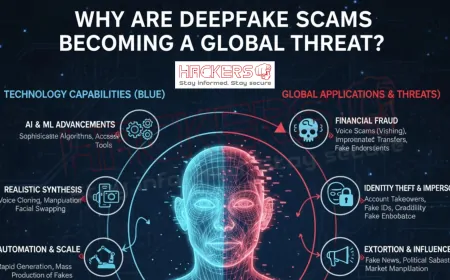
At their core, deepfakes use artificial intelligence to swap faces or voices in media. The term comes from "deep learning," the AI technique that powers them. Imagine feeding an algorithm hours of your boss's speeches; soon, it spits out a video where she asks for urgent wire transfers. No fancy studio needed, just free apps like those on GitHub.
These fakes come in flavors: video deepfakes show altered faces in real-time calls, voice clones mimic speech from mere seconds of audio, and even text-to-video tools craft entire scenes. For beginners, think of it as a high-tech puppet show, where scammers pull the strings. What makes them dangerous? They exploit trust. A familiar face or voice bypasses our skepticism, hitting emotional buttons like fear or greed.
In 2025, detection lags behind creation. Tools exist to spot glitches, like unnatural blinks, but scammers evolve fast. This gap fuels the surge, turning deepfakes from pranks to profit machines. Understanding this basics helps us fight back, one informed step at a time.
The Key Reasons Behind the Global Surge
Why the boom now? Several forces collide. First, AI accessibility. Tools once costing thousands are now free or under $10 monthly, letting small-time crooks go pro. In North America alone, deepfake fraud jumped 1,740 percent from 2022 to 2023, with losses topping $200 million in early 2025. Second, the pandemic's digital shift. More online banking and remote work mean more virtual meetings to hijack.
Third, economic pressures. With inflation biting, scammers target desperate folks via romance or job scams. Globally, incidents rose 19 percent in Q1 2025 over all of 2024. Fourth, weak regulations. Many countries lack laws mandating deepfake labels, letting fakes spread unchecked on social media.
Finally, social engineering's evolution. Deepfakes supercharge old tricks like phishing, where fake emails lead to cloned calls. One in three people now suspects AI scams, up from 29 percent last year. These reasons weave a perfect storm, but spotting them empowers us to navigate it.
Consider vishing, voice phishing. Deepfake versions surged 1,600 percent in early 2025. Scammers clone exec voices for "CEO fraud," tricking staff into payments. It's not just tech; it's psychology weaponized.
Real-World Examples of Deepfake Scams in 2025
Numbers tell part of the story, but examples bring it home. This year has seen bold hits, from celebrity endorsements to corporate heists. To lay it out clearly, here is a table of notable cases, showing the scam type, impact, and lessons.
| Incident | Description | Estimated Losses | Location/Date |
|---|---|---|---|
| Arup Deepfake | Fake video call with execs approving transfer | $25 million | Hong Kong, Feb 2025 |
| Elon Musk Crypto Promo | Deepfake videos on YouTube/X pushing fake investments | $180 million | Global, Ongoing 2025 |
| Nvidia Livestream Hijack | Fake Jensen Huang event promoting scam crypto via QR | $115,000+ | Global, Nov 2025 |
| Taylor Swift Voice Scam | Cloned voice in investment calls | $150 million | US, 2025 |
| Hong Kong Bank Fraud | Deepfake exec authorizing transfers | $25 million | Hong Kong, 2025 |
| Shah Rukh Khan Endorsement | Fake video selling crypto/skincare | $200 million | India/Global, 2025 |
These cases span continents, showing no borders stop scammers. Take the Arup hit: an employee joined a Zoom with deepfake bosses, greenlighting a massive payout. Or the Nvidia fake stream, drawing 95,000 viewers before vanishing funds. Each underscores urgency: verify, always.
Who Is Most at Risk?
Not everyone faces equal odds. Seniors top the list, with 46 percent of fraud experts noting synthetic identity scams targeting them. Less familiar with tech, they fall for family emergency fakes. Next, business leaders: CEO fraud via deepfakes hit firms like Ferrari and WPP, exploiting hierarchy.
- High-net-worth individuals in finance, lured by celeb endorsements.
- Lonely hearts in romance scams, where AI builds fake bonds.
- Remote workers, easy marks in video calls.
- Developing nations' users, with lax awareness.
Women and minorities often see tailored attacks, like deepfake nudes or biased voices. Kids? Emerging risks in gaming scams. Awareness varies: urban youth dodge better, rural elders struggle. Tailoring defenses to these groups is key.
How AI Advancements Fuel the Fire
AI's leap is the spark. Generative models like Stable Diffusion clone in minutes, down from hours. Voice tools need just three seconds of audio. This speed scales scams: one template hits thousands.
Integration with phishing ups ante. AI crafts personalized lures, boosting success 15 percent. Blockchain adds anonymity for crypto ransoms. Yet, positives exist: detection AI spots fakes, but lags. In 2025, ethical hackers push back, but scammers adapt quicker.
Geopolitics plays in too. State actors use deepfakes for disinformation, blurring scam lines. Everyday, it's profit-driven: low cost, high yield. Bridging this tech gap demands global effort.
The Growing Economic Toll
The bill is steep. Q1 2025 deepfake losses hit $200 million in North America alone. Globally, billions vanish yearly, per McAfee. Businesses face not just cash hits, but reputation damage: trust erodes, stocks dip.
Individuals suffer too: drained savings, identity theft. Economies feel ripples: reduced spending, higher insurance. In India, Shah Rukh deepfakes siphoned $200 million. Governments pour into defenses, but scammers reinvest faster. Quantifying intangibles, like emotional scars, adds depth. It's a cycle breaking only with proactive steps.
Practical Tips to Protect Yourself
Knowledge is power. Start with verification: for urgent requests, call back on known numbers. Use reverse image search for suspicious media.
- Enable two-factor authentication everywhere.
- Educate family: role-play scam calls.
- For businesses, train on deepfake red flags like odd lighting.
- Tools: Apps like Hive Moderation detect fakes.
- Report: FTC or local cyber units speed takedowns.
Stay updated via trusted sites. Small habits build big walls against this tide.
Looking Ahead: What Comes Next?
By 2026, experts predict 90 percent of online content could involve AI, per trends. Regulations loom: EU's AI Act mandates labels. Tech firms race for watermarks in fakes. But innovation cuts both ways: better scams, better detectors.
Hope lies in collaboration: schools teach media literacy, companies share intel. Individuals? Cultivate skepticism without paranoia. The future is hybrid: human smarts plus AI guards. Embrace it wisely.
Conclusion
Deepfake scams surge in 2025 due to cheap AI, digital habits, and lax rules, costing billions and hearts. From Arup's $25 million loss to everyday voice clones, no one is untouched. Seniors, execs, and romantics bear the brunt, but all can learn. With verification, education, and tools, we reclaim control. This is not doom; it's a call to adapt. Stay vigilant, spread awareness, and let's make deepfakes a footnote, not a fear.
Frequently Asked Questions
What is a deepfake?
A deepfake is AI-generated media that swaps faces or voices to deceive, like a fake video of a celebrity endorsing a scam.
Why are deepfake scams increasing in 2025?
AI tools are now cheap and easy, allowing quick creation, with a 3,000 percent rise in fraud attempts.
How do scammers create deepfakes?
They use free software trained on public photos or audio clips, often from social media.
Who is most vulnerable to these scams?
Seniors and business executives top the list, followed by those in romance or investment pursuits.
Can deepfakes be detected easily?
Not always, but look for glitches like unnatural movements; apps help spot them.
What is CEO fraud with deepfakes?
Scammers clone a boss's voice or face to trick employees into urgent payments.
How much money is lost to deepfakes yearly?
Billions globally, with $200 million in North America alone in early 2025.
Are celebrities often used in deepfakes?
Yes, like Elon Musk or Taylor Swift, to build false trust for crypto scams.
What should I do if I suspect a deepfake call?
Hang up, verify via another channel, and never send money under pressure.
Do laws protect against deepfakes?
Some, like the EU AI Act, but many places need stronger rules.
Can AI help fight deepfake scams?
Yes, detection tools use AI to analyze inconsistencies in media.
Are romance scams using deepfakes?
Absolutely, with cloned voices building fake relationships for cash grabs.
How can businesses prevent deepfake fraud?
Train staff, use secure verification, and limit sensitive video shares.
What is voice cloning?
AI recreating speech from short samples, used in fake emergency calls.
Is social media a big source for deepfake material?
Yes, public posts provide the data scammers need for clones.
Have there been government deepfake scams?
Yes, fake officials demanding fees, evolving from old advance-fee tricks.
What role does education play?
Key: Teaching media literacy helps everyone spot and avoid fakes.
Can deepfakes harm reputations?
Severely, as seen in fake endorsements damaging brands.
How to report a deepfake scam?
Contact FTC in the US or local cyber police; include all evidence.
Will deepfakes get worse in 2026?
Likely, but better tech and laws could balance the scales.
What's Your Reaction?