






















What Can We Learn from the Recent Ransomware Attack on Indian Hospitals?
Imagine rushing a loved one to the hospital in the dead of night, only to find the doors locked not by a power outage, but by invisible hackers holding the entire system hostage. This nightmare became reality for patients at two major Delhi hospitals in June 2025. As sirens wailed unanswered and staff scrambled with pen and paper, a ransomware attack exposed the fragile underbelly of India's healthcare system. In a year where cyber threats have surged by 30 percent globally against medical facilities, this incident stands out as a stark warning. It is not just about stolen data or delayed treatments. It is about lives hanging in the balance because of digital vulnerabilities. In this blog, we will walk through what happened, why it matters, and most importantly, what hospitals, governments, and even patients can do to prevent the next crisis. If you are new to cybersecurity, think of ransomware as a digital kidnapper who locks your files and demands money to free them. Simple, yet devastating. Let's explore the lessons from this attack to build a safer tomorrow.
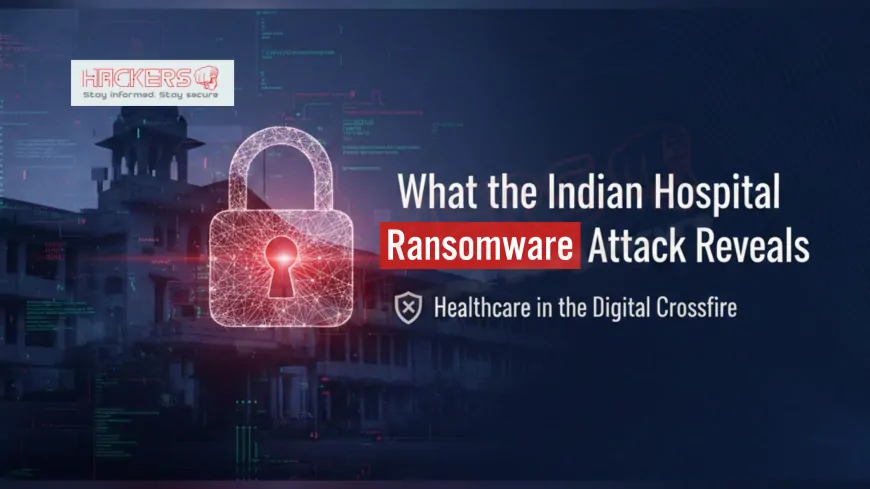
Table of Contents
- Introduction
- What Happened in the Delhi Ransomware Attack?
- The Rise of Ransomware in Indian Healthcare
- How Ransomware Works and Enters Systems
- The Human and Operational Impacts
- Key Vulnerabilities Exposed
- Critical Lessons for Hospitals
- Broader Implications for India's Digital Health Push
- Practical Prevention Strategies
- Conclusion
- Frequently Asked Questions
Introduction
India's healthcare sector is booming, with digital records and online appointments making care faster and more accessible. Yet, this progress comes at a cost. In 2025 alone, the country has seen at least six ransomware attacks on medical facilities, part of a 30 percent global surge in such threats. The June attack on Delhi's Sant Parmanand and NKS Super Speciality hospitals is a prime example. It disrupted services for thousands, forcing a switch to outdated manual processes. This blog dives deep into the event, unpacking the mechanics of the attack and drawing actionable insights. We will keep explanations clear, defining terms like "phishing" as deceptive emails that trick users into clicking harmful links. By the end, you will see how small changes can shield lives from big threats. Healthcare is not just an industry. It is a lifeline, and protecting it starts with understanding these digital dangers.
What Happened in the Delhi Ransomware Attack?
The attack unfolded in the early hours of June 11, 2025, targeting two prominent hospitals in north Delhi: Sant Parmanand Hospital in Civil Lines and NKS Super Speciality Hospital in Gulabi Bagh. What began as routine night operations turned chaotic when servers suddenly went dark. IT teams initially suspected a glitch, but soon confirmed a deliberate breach. Ransomware malware had infiltrated the systems, encrypting critical files and displaying demands for payment in cryptocurrency.
The malware locked access to patient records, billing systems, and administrative databases, affecting over 60,000 individual files. At NKS, outpatient and inpatient services ground to a halt, with doctors unable to retrieve medical histories or update treatments. Sant Parmanand faced similar woes, though it issued no immediate statement. Hospital staff pivoted to paper charts, a throwback to pre-digital days that slowed everything down.
By morning, Delhi Police had registered a First Information Report (FIR) under Section 66 of the Information Technology Act, which covers computer-related offenses. Investigators traced unusual login attempts but have not publicly named perpetrators. Recovery took days, with partial services resuming only after data restoration from backups, if available. This incident was not isolated. It highlighted a pattern where attackers exploit healthcare's urgency to extract ransoms quickly.
To visualize the scope, consider this table of key elements from the attack. It summarizes the timeline and immediate effects for clarity.
| Date/Time | Event | Affected Area | Impact |
|---|---|---|---|
| June 10-11, 2025 (Night) | Ransomware Infiltration | Servers at both hospitals | Files encrypted; access denied |
| June 11, Morning | FIR Registered | Delhi Police | Investigation launched under IT Act |
| June 11-13 | Switch to Manual Operations | OPD/IPD Services | Delays in treatments; 60,000+ records locked |
| Ongoing | Recovery Efforts | Data Restoration | Partial resumption; full probe continues |
This table shows how swiftly the attack escalated, underscoring the need for rapid response plans. The event drew national attention, with media outlets reporting on the human toll and calling for stronger defenses.
The Rise of Ransomware in Indian Healthcare
Healthcare has become a prime target for cybercriminals worldwide, and India is no exception. In 2025, ransomware incidents in the sector jumped 30 percent, with India recording six such attacks. Why the focus on hospitals? Valuable data like medical histories and insurance details fetch high prices on the dark web, a hidden online marketplace for illegal goods. Plus, the pressure to restore services often leads to payments, funding more attacks.
Before the Delhi incident, similar breaches hit facilities across the country. For instance, earlier in 2025, phishing-led ransomware disrupted operations in Mumbai clinics, though details remain sparse. The trend ties into India's digital health initiatives, like Ayushman Bharat Digital Mission, which digitizes records for better access but expands attack surfaces. Reports show trojans and file infectors, types of malware that disguise as legitimate software, account for 70 percent of threats.
This rise is not random. Cybercriminals, often organized groups from abroad, see healthcare as low-hanging fruit due to underfunded IT security. In Delhi's case, the attack mirrored global patterns, where 22 percent of Indian cyber incidents last year targeted health services. Understanding this context helps hospitals prepare, not just react.
How Ransomware Works and Enters Systems
Ransomware is sneaky. It starts small, often through phishing emails that look like official updates from trusted sources. Once clicked, the malware spreads, encrypting files with complex codes only a key can unlock. Attackers then demand ransom, typically in untraceable bitcoin.
In the Delhi hospitals, experts believe phishing was the entry point. An employee might have opened a booby-trapped attachment, allowing the virus to hop networks. Unpatched software, meaning systems not updated with latest fixes, let it roam freely. Once entrenched, it hit databases holding sensitive info, from blood types to billing codes.
For beginners, picture your computer as a house. Phishing is a fake delivery at the door; if you let it in, it changes all locks. Hospitals, with interconnected devices like MRI machines and patient monitors, amplify the spread. This attack showed how legacy systems, old tech hard to secure, worsen the problem.
The Human and Operational Impacts
The fallout went beyond screens. At NKS, doctors delayed surgeries because they could not access allergy info, risking patient safety. Families waited hours for beds, turning a routine visit into terror. Financially, losses mounted from canceled appointments and overtime for manual work.
Operationally, the breach exposed over 60,000 records, potentially leading to identity theft or blackmail. Staff burnout rose as they juggled paper logs amid panic. Nationally, it eroded trust in digital health, with patients wary of sharing data. In a sector already strained by doctor shortages, such disruptions cascade, overburdening other facilities.
The emotional toll is profound. One report described a mother unable to get timely care for her child, highlighting how cyber threats turn lifesavers into bystanders. These impacts remind us: cybersecurity is healthcare.
Key Vulnerabilities Exposed
The attack revealed several weak spots. First, poor employee training left phishing unchecked. Second, lack of network segmentation meant one breach infected everything. Third, inadequate backups forced reliance on possibly compromised data.
India's healthcare lags in cybersecurity budgets, with many facilities using free antivirus that misses advanced threats. Interconnected IoT devices, like smart thermometers, add unsecured doors. Geopolitically, rising tensions fuel state-backed hacks, though this seemed profit-driven.
These gaps are fixable but require investment. The incident prompted calls for mandatory audits, showing vulnerabilities are industry-wide.
Critical Lessons for Hospitals
From this chaos come clear takeaways. Lesson one: train staff relentlessly on phishing recognition. Simple simulations can save systems. Lesson two: segment networks, keeping patient data silos away from admin files.
- Maintain regular offline backups, tested monthly to ensure quick recovery.
- Update software promptly to patch known holes.
- Implement multi-factor authentication, an extra login step like a phone code.
- Develop incident response plans, rehearsed like fire drills.
These steps, if adopted post-Delhi, could halve recovery times. Collaboration with CERT-In, India's cyber emergency team, is vital too.
Broader Implications for India's Digital Health Push
India aims for a paperless health system by 2026, but attacks like this threaten progress. They highlight equity issues: urban hospitals recover faster than rural ones, widening care gaps. Economically, the sector's $372 billion valuation faces erosion from repeated breaches.
Government response includes tougher data laws, but enforcement lags. Globally, it joins calls for ransomware bans, as seen in US policies. For patients, it means demanding transparency from providers. This attack could spark reform, turning crisis into catalyst.
Looking ahead, AI-driven defenses offer hope, detecting anomalies early. Yet, without addressing root causes like understaffed IT teams, vulnerabilities persist.
Practical Prevention Strategies
Prevention starts local. Hospitals should conduct vulnerability scans quarterly. Partner with ethical hackers for penetration tests, simulating attacks. For staff, gamified training boosts engagement.
Patients play a role: use unique passwords and report suspicious links. Governments must subsidize security for small clinics. Industry-wide, share threat intel via forums.
- Adopt zero-trust models, verifying every access.
- Encrypt data at rest and in transit.
- Insure against cyber risks.
Implementing these builds resilience, ensuring tech serves health, not hinders it.
Conclusion
The June 2025 ransomware attack on Delhi's Sant Parmanand and NKS hospitals was a wake-up call, exposing phishing flaws, weak backups, and training gaps amid a 30 percent threat surge. It disrupted lives, costing time and trust, but offers vital lessons: segment networks, train teams, and backup rigorously. As India pushes digital health, these steps can fortify the frontlines. By acting now, we protect not just data, but the human stories behind it. Cybersecurity is everyone's duty, turning potential tragedy into guarded progress.
Frequently Asked Questions
What was the Delhi hospitals ransomware attack?
It was a June 2025 cyber incident where malware locked servers at Sant Parmanand and NKS hospitals, disrupting services.
Why target hospitals with ransomware?
Hospitals hold valuable data and face pressure to pay ransoms quickly to resume critical care.
How did the attack enter the systems?
Likely via phishing emails that tricked staff into opening malicious attachments.
What data was compromised?
Over 60,000 patient records, financial files, and administrative data were encrypted.
Were payments made to unlock the data?
Details are unclear, but hospitals switched to manual operations instead of paying.
How long did disruptions last?
Several days for full recovery, with immediate hours of total halt.
What legal action was taken?
Delhi Police filed an FIR under IT Act Section 66 for computer offenses.
Is this part of a larger trend in India?
Yes, India saw six healthcare ransomware attacks in 2025, up 30 percent globally.
What is phishing in simple terms?
Deceptive emails or messages mimicking trusted sources to steal info or install malware.
How can hospitals prevent such attacks?
By training staff, segmenting networks, and maintaining offline backups.
Were patient lives at risk?
Delays in access to records risked errors, but no direct fatalities reported.
What role do backups play?
They allow restoration without paying, if kept secure and updated.
Can patients protect their data?
Yes, by using strong passwords and limiting shared info.
What is network segmentation?
Dividing systems into isolated parts to contain breaches.
Has the government responded?
Investigations continue, with calls for stricter health data laws.
Are rural hospitals more vulnerable?
Often yes, due to limited IT resources compared to urban ones.
What is the dark web?
A hidden internet area where stolen data is sold anonymously.
Can AI help fight ransomware?
Yes, by detecting unusual patterns before full infection.
How much do attacks cost Indian healthcare?
Millions in downtime and recovery, plus long-term trust loss.
What should hospitals do first after an attack?
Isolate affected systems, notify authorities, and activate backups.
What's Your Reaction?