







































Why Are Blockchain Wallets Primary Targets for Cybercriminals?
Imagine waking up to find your life savings vanished in an instant, transferred to an unknown account halfway across the world, with no way to reverse it. This nightmare has become reality for countless people in the world of cryptocurrency. In the first half of 2025 alone, cybercriminals have stolen over $2.17 billion from crypto services, surpassing the total for all of 2024. Blockchain wallets, the digital tools that store and manage these assets, sit at the center of this storm. They hold the keys to vast fortunes, often with minimal oversight, making them irresistible to hackers and scammers. As blockchain technology grows in popularity, so does the attention from bad actors looking for easy gains. This blog post dives into why these wallets are such prime targets, exploring the reasons, the methods used by criminals, and what you can do to protect yourself. Whether you are new to crypto or a seasoned user, understanding these risks is essential in today's digital landscape.
Table of Contents
- What Are Blockchain Wallets?
- Why Are They Primary Targets?
- Common Attack Methods
- Shocking Statistics on Crypto Theft in 2025
- How to Protect Your Wallet
- Future Trends in Wallet Security
- Conclusion
- Frequently Asked Questions
What Are Blockchain Wallets?
Before we get into the dangers, it helps to understand what a blockchain wallet actually is. At its simplest, a blockchain wallet is a software application or hardware device that lets you store, send, and receive cryptocurrencies like Bitcoin or Ethereum. It does not actually hold the coins themselves, since those exist on the blockchain network. Instead, it stores private keys, which are long strings of characters that prove ownership and allow you to access your funds.
There are different types of wallets. Hot wallets are connected to the internet, making them convenient for quick transactions but more exposed to online threats. Cold wallets, like hardware devices, stay offline most of the time, offering better security but less convenience. Custodial wallets are managed by third parties, such as exchanges, while non-custodial ones give you full control over your keys.
Blockchain wallets have become essential as cryptocurrency adoption grows. By 2025, millions of people use them for everything from daily payments to long-term investments. The total value locked in these wallets runs into trillions of dollars, creating a massive incentive for cybercriminals. Unlike traditional bank accounts, where transactions can be reversed or frozen, blockchain transfers are often irreversible. Once the money is gone, it is gone for good. This feature, meant to empower users, also plays into the hands of thieves who know they can get away with the loot if they succeed.
Wallets operate on decentralized networks, meaning no central authority oversees them. This lack of intermediaries reduces fees and increases privacy, but it also means there is no safety net like fraud protection from banks. Users are responsible for their own security, which can be a double-edged sword. For beginners, this setup might seem overwhelming, leading to mistakes that hackers exploit. Even experienced users face risks from evolving threats. In short, blockchain wallets represent a new frontier in finance, but one fraught with perils that attract cybercriminals like moths to a flame.
Why Are They Primary Targets?
Cybercriminals zero in on blockchain wallets for several compelling reasons. First and foremost is the sheer value they hold. Cryptocurrencies have skyrocketed in worth, with Bitcoin alone reaching new highs in 2025. A single wallet might contain assets worth millions, making it a high-reward target compared to traditional scams that net smaller amounts. Hackers know that cracking one wallet can yield a fortune, often in untraceable forms.
Another key factor is the irreversibility of transactions. In the blockchain world, once a transfer is confirmed on the network, it cannot be undone without consensus from the community, which is rare. This means thieves can move stolen funds quickly to other wallets or exchanges, complicating recovery efforts. Traditional banking systems have mechanisms to freeze accounts or reverse charges, but blockchain lacks these built-in safeguards. This feature makes wallets especially appealing to criminals who want to secure their gains fast.
Privacy and anonymity play a role too. Many blockchain transactions offer a degree of pseudonymity, where users are identified by wallet addresses rather than real names. While this protects legitimate users, it also shields criminals. They can launder stolen crypto through mixers or chain-hopping, jumping between different blockchains to obscure the trail.
The decentralized nature of blockchain adds to the allure. Without a central authority, there is no single entity to pressure or hack for reversals. This empowers users but also means law enforcement struggles to intervene. Cybercriminals exploit this by targeting individual wallets rather than large institutions, which have beefed up security.
Finally, the growing adoption of crypto brings more novice users into the space. These beginners often lack knowledge about best practices, making them easy prey for phishing scams or malware. As crypto goes mainstream, the pool of potential victims expands, drawing more attackers. In essence, the combination of high value, irreversibility, anonymity, decentralization, and user inexperience makes blockchain wallets a cybercriminals' dream.
Common Attack Methods
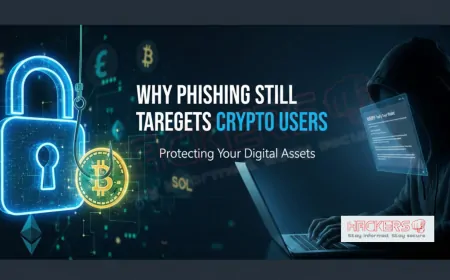
Cybercriminals use a variety of tactics to target blockchain wallets, each exploiting different weaknesses. One of the most prevalent is phishing. Attackers create fake websites or emails that mimic legitimate services, tricking users into entering their private keys or seed phrases. Once obtained, these allow full access to the wallet. In 2025, AI-powered phishing has become more sophisticated, using deepfakes or personalized messages to fool victims.
Malware is another common tool. Viruses or trojans infect devices, stealing wallet data or logging keystrokes to capture passwords. Ransomware variants now specifically target crypto wallet files, encrypting them and demanding payment for release.
Social engineering plays a big role too. Scammers pose as support staff or influencers, convincing users to share sensitive information. Address poisoning is a newer trick, where fake addresses similar to legitimate ones are sent, hoping users copy the wrong one during transactions.
Insider threats are rising, especially in custodial wallets. Employees with access might steal funds, knowing transactions are hard to reverse.
Smart contract vulnerabilities in decentralized finance, or DeFi, wallets allow exploits where code flaws are used to drain funds. Obfuscated contracts hide malicious code, luring users into traps.
Shocking Statistics on Crypto Theft in 2025
The numbers paint a grim picture of the risks facing blockchain wallets. According to Chainalysis, over $2.17 billion was stolen from cryptocurrency services in the first half of 2025, driven by high-profile hacks and personal compromises.
Personal wallet thefts now make up a larger share, as attackers shift from exchanges to individuals.
A single hack on Bybit in February 2025 stole $1.46 billion, showing how one breach can devastate.
To illustrate, here is a table of major crypto theft incidents in 2025:
| Incident | Amount Stolen | Method |
|---|---|---|
| Bybit Hack | $1.46 billion | Exchange breach |
| Personal Wallet Compromises (Aggregate) | Over $500 million | Phishing and malware |
| Crypto Kidnappings | Undisclosed, but weekly incidents | Physical coercion |
| Smart Contract Exploits | $900,000 in one case | Vulnerability exploitation |
These figures underscore the urgency for better security measures.
How to Protect Your Wallet
Protecting your blockchain wallet starts with basic steps. Use hardware wallets for large amounts, keeping them offline. Enable two-factor authentication, but avoid SMS-based options; use apps like Google Authenticator.
Never share private keys or seed phrases. Store them securely, perhaps in a safe or encrypted file. Be wary of phishing: verify URLs and emails before clicking.
Keep software updated to patch vulnerabilities. Use reputable wallets and exchanges with strong security records. For DeFi, audit smart contracts before interacting.
Monitor transactions regularly. Tools like blockchain explorers let you track activity. Consider multi-signature wallets, requiring multiple approvals for transfers.
Education is vital. Learn about common scams and stay informed on threats. In 2025, AI tools can help detect suspicious activity, adding another layer.
Future Trends in Wallet Security
Looking ahead, wallet security will evolve. AI will play a bigger role in detecting anomalies, like unusual transfers.
Regulatory changes may require better KYC, reducing anonymity for criminals.
Insurance for wallets is growing, covering theft. Quantum-resistant cryptography will protect against future threats.
As attacks like chain-hopping rise, tools for cross-chain tracking will improve.
Conclusion
Blockchain wallets are primary targets for cybercriminals due to their high value, irreversible transactions, anonymity, and the expanding user base. With billions stolen in 2025, the risks are clear. Common attacks like phishing, malware, and exploits highlight the need for vigilance. By understanding these threats and using strong security practices, users can protect themselves. As technology advances, future trends promise better safeguards. Staying informed is key to navigating this exciting yet perilous space.
Frequently Asked Questions
What is a blockchain wallet?
A blockchain wallet is a tool to store and manage cryptocurrencies, holding private keys for access.
Why are they valuable to hackers?
They often hold large amounts of crypto, worth millions, making them high-reward targets.
What makes transactions irreversible?
Blockchain design confirms transfers permanently, without easy reversals like in banks.
How does anonymity help criminals?
It shields identities, allowing theft without easy tracing.
What is phishing in crypto?
Fake sites or emails tricking users into revealing keys.
What is malware?
Software infecting devices to steal wallet data.
What are crypto kidnappings?
Physical attacks forcing victims to transfer funds.
How much was stolen in 2025?
Over $2.17 billion in the first half alone.
What is address poisoning?
Sending fake similar addresses to trick copies.
What are smart contract exploits?
Using code flaws to drain funds.
How to use hardware wallets?
Keep them offline, connect only for transactions.
What is two-factor authentication?
An extra security step, like app codes.
Why avoid SMS 2FA?
It is vulnerable to SIM swaps.
What are multi-signature wallets?
Require multiple approvals for transfers.
How to spot phishing?
Check URLs, avoid unsolicited links.
What is chain-hopping?
Jumping between blockchains to launder funds.
Are custodial wallets safer?
They offer support but risk exchange hacks.
What role does AI play?
In phishing and detection of threats.
Will regulations help?
Yes, by requiring better security.
Is insurance available?
Yes, for covering theft losses.
What's Your Reaction?