














How Kevin Mitnick Became the Most Famous Early Hacker
Before “hacker” meant startup founders or cybersecurity experts, the word meant one man to most people: Kevin Mitnick. In the 1980s and 1990s, his name appeared on wanted posters, newspapers, and even the evening news. The FBI called him “the most wanted computer criminal in United States history.” Hollywood turned his life into movies. Yet Kevin never stole money, never sold secrets to foreign governments, and never destroyed data. So how did a curious teenager from Los Angeles become the face of cybercrime? The answer lies in a perfect storm of incredible skill, teenage rebellion, relentless media coverage, and a legal system that didn’t yet understand the digital world. This is the real story of how Kevin Mitnick went from phone phreaking kid to global legend, and eventually to respected security consultant.
Table of Contents
- Early Life and First Steps into Hacking
- The Phone Phreaking Years
- First Arrest and the Legend Begins (1981–1988)
- Going Underground (1989–1992)
- The Famous Chase with Tsutomu Shimomura
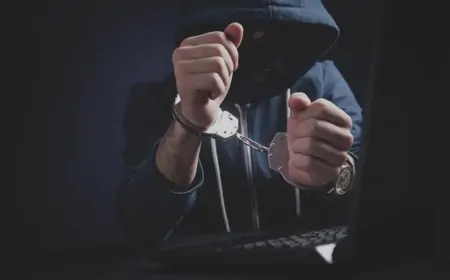
- The Dramatic 1995 Arrest
- Prison, Solitary Confinement, and Controversy
- Turning “White Hat” After Release
- Books, Movies, and Pop Culture Icon
- Why Kevin Became *THE* Famous Hacker
- Timeline of Kevin Mitnick’s Major Events
- Conclusion
- FAQs
Early Life and First Steps into Hacking
Kevin David Mitnick was born in 1963 in Van Nuys, California. He grew up in a broken home and found comfort in technology and magic tricks. At age 12, a bus driver showed him how to punch discarded bus transfers to ride for free, a clever “hack” that sparked his lifelong love of bypassing systems. By his early teens he was already exploring ham radio and learning how phone networks worked. He wasn’t interested in breaking things; he just wanted to understand how everything operated and prove he could get inside.
The Phone Phreaking Years
In the late 1970s, long before the internet was public, the telephone network was the playground for curious kids. Using “blue boxes” (devices that played special tones), phreaks could make free long-distance calls. Kevin learned from older phreaks and quickly became expert. He accessed internal Pacific Bell switching computers, copied proprietary software, and even listened to voicemail of celebrities. Most importantly, he used “social engineering”, tricking employees into giving him passwords or codes. This skill, not technical wizardry, would define his career.
First Arrest and the Legend Begins (1981–1988
At 17, Kevin was caught stealing technical manuals from a Pacific Bell office. He received probation. In 1983 he accessed the ARPANET (early internet) from a university terminal. In 1988, he copied source code from Digital Equipment Corporation (DEC). A coworker reported him, leading to his first felony conviction. He served 12 months in a low-security prison and three years supervised release. The judge banned him from touching computers or modems, an impossible rule for a curious mind.
Going Underground1989–1992
Feeling the system was unfair, Kevin went on the run. For over two years he lived under fake names, hacked cellular companies (cloning phones), and accessed credit reports. He broke into voicemail systems of companies like Motorola and Nokia just to prove he could. The FBI placed him on their Most Wanted list in 1992. Newspapers called him a “cyber terrorist.” The myth grew faster than the facts.
The Famous Chase with Tsutomu Shimomura
On Christmas Day 1994, renowned security researcher Tsutomu Shimomura had his home computer in San Diego hacked. The attacker stole advanced security tools. Furious, Shimomura decided to hunt the intruder himself. Using cell-phone tracking and “sniffer” software, he traced the attacks to an account in Raleigh, North Carolina, and finally to an apartment complex in Player’s Ridge. The media framed it as a dramatic duel between two genius hackers.
The Dramatic 1995 Arrest
On February 15, 1995, FBI agents kicked down the door of Kevin’s apartment in Raleigh at 2 a.m. They found dozens of cloned cell phones, fake IDs, and stolen software. Kevin surrendered peacefully. The arrest made front-page news worldwide. The government charged him with 24 counts, including wire fraud and possession of unauthorized access devices. Prosecutors claimed potential damages over $80 million, though most experts say the real cost was far lower.
Prison, Solitary Confinement, and Controversy
Kevin spent almost five years in prison, including eight months in solitary confinement. The government argued he was so dangerous he could “start a nuclear war by whistling into a payphone,” a claim that became legendary for its exaggeration. Many in the hacker community saw his treatment as cruel and unusual. He was released in January 2000 and banned from the internet until 2003.
Turning “White Hat” After Release
Once free, Kevin completely changed direction. He started Mitnick Security Consulting and became a paid ethical hacker, keynote speaker, and author. Companies now pay him huge fees to test their defenses. He wrote bestsellers like “The Art of Deception” and “Ghost in the Wires.” Today he is one of the most requested speakers at security conferences and trains FBI agents.
Books, Movies, and Pop Culture Icon
- “Ghost in the Wires” (2011) – his autobiography, a New York Times bestseller
- “The Art of Deception” (2002) – about social engineering
- Movie “Track Down” (2000) starring Skeet Ulrich
- Appeared on TV shows, documentaries, and even had action figures made
Why Kevin Became THE Famous Hacker
Several reasons combined:
- He was extremely skilled at social engineering, not just coding.
- The media loved the “dark genius on the run” story.
- The dramatic FBI raid and Shimomura duel made great headlines.
- He never hurt anyone financially; many saw him as a modern Robin Hood.
- His punishment seemed extreme, creating sympathy in the tech community.
- He embraced the legend and used it to teach security after release.
Timeline of Kevin Mitnick’s Major Events
| Year | Event |
|---|---|
| 1963 | Born in Los Angeles |
| 1979–1981 | Starts phone phreaking as teenager |
| 1988 | Convicted for copying DEC software, first prison time |
| 1992–1995 | On the run, FBI Most Wanted |
| Feb 15, 1995 | Arrested in Raleigh, NC |
| 2000 | Released from prison |
| 2003 | Allowed to use internet again |
| 2023 | Passed away at age 59 (pancreatic cancer) |
Conclusion
Kevin Mitnick was never the most destructive hacker, nor the richest, nor the most technically advanced in pure coding terms. Yet he became the most famous because he embodied the 1990s fear and fascination with the “digital outlaw.” His real talent was understanding people, not just systems, a lesson every modern security team still teaches today. From fugitive to teacher, his journey shows that curiosity can be both dangerous and redemptive. Kevin passed away in July 2023, but his name remains the first most people think of when they hear the word “hacker.” His legacy is a reminder that the best way to stop hackers is to think like one, a philosophy he lived and taught until the end.
Who is Kevin Mitnick?
A former phone phreak and hacker who became the world’s most famous computer criminal in the 1990s, later turned ethical hacker and author.
What did Kevin Mitnick actually steal?
He copied proprietary software and source code but never stole money or sold secrets to foreign countries.
What is social engineering?
Tricking people into revealing passwords or giving access, Kevin’s main technique.
Why was he on the FBI Most Wanted list?
For violating probation and continuing to hack while on the run between 1992 and 1995.
How was he finally caught?
Security researcher Tsutomu Shimomura tracked him using cell-phone signals in 1995.
How long was Kevin in prison?
Nearly five years, including eight months in solitary.
Did Kevin really start a nuclear war with a payphone?
No, that was an urban legend started by prosecutors; he never had such capability.
What books did he write?
“The Art of Deception,” “The Art of Intrusion,” “Ghost in the Wires,” and others.
Is there a movie about him?
Yes, “Track Down” (also called “Takedown”) released in 2000.
Did Kevin ever hack banks for money?
No, he was driven by curiosity and challenge, not financial gain.
What company did he start after prison?
Mitnick Security Consulting; he became a highly paid ethical hacker.
When did Kevin get internet access back?
January 2003, three years after release.
Why do people still talk about him?
Because he showed how easy social engineering is and became the face of 1990s cyberculture.
Was he the best hacker who broke into NORAD?
No, that was the movie “WarGames”; Kevin’s real crimes were less dramatic but still serious.
Did Kevin ever meet Tsutomu Shimomura after the arrest?
Yes, they later became friends and even spoke together.
What is Kevin’s famous quote?
“The human is the weakest link in security.”
Did Kevin regret his actions?
He said he regretted the fear he caused but never the learning and challenge.
Is Mitnick still alive in 2025?
No, he passed away from pancreatic cancer in July 2023 at age 59.
What is the biggest lesson from his story?
People, not technology, are usually the easiest way into any system.
Can I learn ethical hacking from his books?
Yes, his books are required reading in many security courses.
What's Your Reaction?