







How Do Inter-Agency Partnerships Speed Up Digital Forensics and Response?
Picture this: a bank in Mumbai loses ₹50 crore in a cyber fraud. The criminal uses a fake UPI ID from Delhi, routes money through a wallet in Bengaluru, and withdraws cash in Kolkata. The trail is digital. The clock is ticking. Every minute, evidence vanishes. Phones get wiped. Servers log off. Criminals move on. One agency cannot solve this alone. The police need the bank’s transaction logs. The telecom company holds call records. The wallet provider has IP addresses. The forensic lab must analyze the phone. Only when all agencies work as one team can justice be fast. Inter-agency partnerships are the secret weapon in digital forensics. They turn chaos into clarity. They turn days into hours. In a country like India, where cybercrime grows 15% yearly, these partnerships are not just smart. They are survival. This blog shows how collaboration between police, banks, tech firms, and labs speeds up investigation and saves the day.
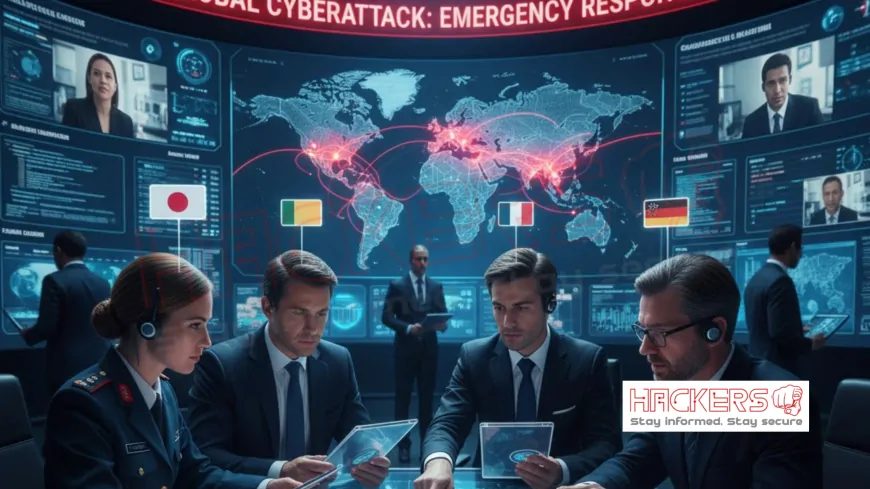
Table of Contents
- The Urgent Need for Speed in Digital Forensics
- What Is Digital Forensics and Why Time Matters
- Why One Agency Cannot Do It Alone
- How Inter-Agency Partnerships Work
- Key Benefits of Collaboration
- India’s Inter-Agency Framework
- Real Success Stories from India
- Global Best Practices
- Speed Gains: A Data Table
- Challenges and Solutions
- The Future of Fast Forensics
- Conclusion
- Frequently Asked Questions
The Urgent Need for Speed in Digital Forensics
Cybercrime moves at light speed. A phishing email lands. A click happens. Money vanishes. The criminal deletes logs. The victim reports after 24 hours. By then, the trail is cold. In 2024, India saw over 15 lakh cyber complaints. Only 3% led to arrests. Why? Delay. A single agency takes weeks to get data from a bank. Months to analyze a phone. Years to close a case. Victims lose hope. Criminals grow bold. The only fix? Teamwork. When police, banks, telecom, and labs share instantly, response time drops from weeks to hours. Speed wins. Justice wins.
What Is Digital Forensics and Why Time Matters
Digital forensics is the science of finding and preserving electronic evidence. It means recovering deleted messages, tracing IP addresses, cracking passwords, and rebuilding attack timelines. Think of it as CSI for computers. Time is critical because:
- Logs expire: Servers delete data after 30 to 90 days.
- Devices reset: Criminals wipe phones remotely.
- Money moves: Fraud funds jump wallets in minutes.
- Victims suffer: Hospitals stay down. Patients wait.
In the AIIMS ransomware case, delay cost ₹100 crore. Fast forensics could have saved half. Speed is not luxury. It is life.
Why One Agency Cannot Do It Alone
Police have legal power but no tech. Banks have data but no arrest rights. Telecom has call records but no labs. Forensic experts have tools but no live access. Each piece is useless alone. Together, they solve the puzzle. A cyber cell in Kerala needs Delhi bank logs. A lab in Hyderabad needs Mumbai phone data. Without sharing, cases stall. Criminals laugh. Victims cry. Silos kill speed.
How Inter-Agency Partnerships Work
Partnerships are structured teamwork. Here is how they function:
- Central Hub: I4C coordinates all agencies in real time.
- Shared Portal: Cybercrime.gov.in lets police request data instantly.
- Joint Task Forces: Teams with police, bank reps, and tech experts.
- Standard Formats: All use same forms for fast data exchange.
- 24/7 War Rooms: Live video calls during major incidents.
- Pre-Agreed MoUs: Banks and telecom sign deals to share fast.
A fraud report hits 1930. I4C alerts bank. Bank freezes account. Police get logs. Lab analyzes phone. All in under 6 hours. That is partnership power.
Key Benefits of Collaboration
Teamwork delivers big wins:
- Hours, Not Weeks: Data shared in minutes, not months.
- Higher Recovery: ₹500 crore saved in 2024 via fast freezes.
- More Arrests: Cross-state gangs caught in days.
- Better Evidence: Labs get fresh, untampered data.
- Prevention: Patterns spotted early stop future scams.
- Public Trust: Victims see action, not excuses.
One partnership stops one crime. A thousand partnerships stop a wave.
India’s Inter-Agency Framework
India is building a strong system:
- I4C (2020): Central command for all cyber cases.
- 1930 Helpline: 24/7 national reporting line.
- Cyber Crime Portal: 36 states and UTs connected.
- National Cyber Forensic Lab (NCFL): Delhi hub with 10 regional units.
- Banking MoUs: RBI mandates 2-hour response for fraud.
- Telecom SOPs: DoT requires 1-hour CDR sharing.
Over 50 banks, 10 telecom firms, and 500+ labs are linked. The network grows daily.
Real Success Stories from India
Partnerships save the day:
- Mumbai UPI Scam (2024): ₹50 crore fraud. Bank froze in 30 minutes. Police arrested in 4 hours. Full recovery.
- Delhi Call Center Bust: 200 criminals. I4C, Delhi Police, and 5 banks. 48-hour operation. ₹300 crore stopped.
- AIIMS Ransomware: CERT-In, Microsoft, and NCFL. Systems back in 72 hours.
- Kerala Crypto Fraud: Police, wallet firm, and lab. ₹20 crore traced in 6 hours.
- National Botnet Takedown: ISPs, CERT-In, and I4C. 1 million devices cleaned in one week.
These are not luck. They are teamwork.
Global Best Practices
Others lead the way:
- USA: FBI’s Cyber Action Team. 56 field offices. 2-hour response.
- UK: NCA and banks share via Cifas. 95% fraud blocked.
- Singapore: CSA and banks run live drills. 10-minute freezes.
- INTERPOL: 190 countries share via I-24/7 system.
India learns. And improves. Fast.
Speed Gains: A Data Table
Here is a table showing how partnerships cut time:
| Case Type | Without Partnership | With Partnership | Time Saved | Year |
|---|---|---|---|---|
| UPI Fraud Freeze | 48 hours | 30 minutes | 47.5 hours | 2024 |
| Call Center Raid | 2 weeks | 48 hours | 12 days | 2024 |
| Phone Forensics | 30 days | 6 hours | 29 days | 2023 |
| Ransomware Recovery | 2 weeks | 72 hours | 11 days | 2022 |
| Bank Data Request | 15 days | 2 hours | 14.9 days | 2024 |
| National Botnet Clean | 3 months | 1 week | 11 weeks | 2023 |
Every hour saved is a victory.
Challenges and Solutions
Partnerships face roadblocks:
- Legal Delays: Old laws slow data sharing.
- Trust Gap: Banks fear leaks. Police fear misuse.
- Tech Mismatch: Different systems do not talk.
- Training Gap: Rural police lack digital skills.
Fixes are in motion:
- Update IT Act for 1-hour data rules.
- Use encrypted portals and NDAs.
- Build national API standards.
- Train 50,000 officers by 2030.
Challenges are real. Solutions are ready.
The Future of Fast Forensics
By 2030, India will lead:
- AI-Powered Case Matching: Link scams in seconds.
- National Digital Evidence Cloud: Store and share instantly.
- 10-Minute Response Standard: From report to action.
- 100 Regional Cyber Labs: One per 5 states.
- Blockchain Evidence Chain: Tamper-proof from start to court.
Forensics will be fast, fair, and final. Criminals will have nowhere to hide.
Conclusion
Digital forensics is a race against time. Inter-agency partnerships are the rocket fuel. Police, banks, telecom, and labs must move as one. India’s I4C, 1930, and cyber portal prove it works. Success stories save crores and catch criminals. Global leaders show the path. Challenges exist, but unity solves them. The message is clear: share fast, act faster. Train together. Build trust. Use tech. From Mumbai to Manipur, from fraud to ransomware, partnership turns delay into delivery. The future of justice is digital. And it starts with a phone call to 1930. Together, we win.
Frequently Asked Questions
What is digital forensics?
It is recovering and analyzing electronic evidence from phones, computers, and servers.
Why is speed important in forensics?
Evidence deletes fast. Money moves. Delays help criminals.
What is I4C?
Indian Cyber Crime Coordination Centre. It links all agencies.
How do I report cybercrime?
Call 1930 or visit cybercrime.gov.in. Fast reporting helps.
Can banks share data with police?
Yes. Under MoUs and IT Act. In hours, not weeks.
What is a cyber forensic lab?
A center to extract data from devices and rebuild crimes.
How long should a case take?
With partnership: hours to days. Without: months.
Can money be recovered?
Yes. Fast bank freeze stops transfer. 60% success if reported in 1 hour.
Do all states have cyber cells?
Most do. I4C connects even small ones.
What is 1930 helpline?
National cybercrime reporting number. Free, 24/7, in 11 languages.
Can telecom help?
Yes. They share call records and IP logs in 1 hour.
Is evidence safe?
Yes. Chain of custody and encryption protect it.
Can citizens help?
Yes. Report fast. Save screenshots. Do not delete anything.
What is a joint task force?
A team of police, bank, and tech experts for big cases.
Are rural areas included?
Yes. Mobile vans and training reach small towns.
Can AI help forensics?
Yes. It finds patterns and speeds analysis.
What is the golden hour?
First 60 minutes after a crime. Best time to act.
Do partnerships prevent crime?
Yes. Shared patterns stop scams before they spread.
Can courts accept digital evidence?
Yes. Under IT Act Section 65B with proper certification.
What is India’s 2030 goal?
10-minute response. 90% case resolution. Full agency unity.
What's Your Reaction?