












































How Did the Airtel Data Leak Expose Millions of Users?
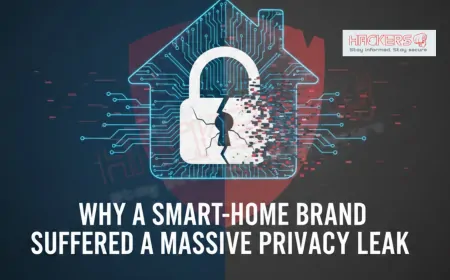
It's a typical Tuesday evening in Delhi. Priya, a 32-year-old marketing executive, receives a call from someone claiming to be from her bank. The voice sounds official, asking for her Aadhaar number to "verify" a transaction. She hesitates but provides it, trusting the details they already seem to know: her full name, phone number, and even her date of birth. By morning, her savings account is drained. The scammers didn't guess; they knew. Her information came from a massive data leak at Bharti Airtel, India's second-largest telecom provider, where personal details of over 300 million users were left exposed due to a simple flaw in the company's mobile app. This isn't just Priya's story. It's the nightmare facing millions of Indians who rely on Airtel for calls, data, and digital life. In December 2019, a security researcher uncovered a vulnerability that could have handed hackers a treasure trove of sensitive information. While Airtel quickly patched the issue, the incident highlighted a chilling reality: in our hyper-connected world, one small oversight can expose lives. This blog dives into how the Airtel data leak happened, what it revealed, and why it matters more than ever in 2025, as echoes of that breach still haunt users. Written for everyday readers, it unpacks the technical bits simply and explores lessons for a safer digital future.
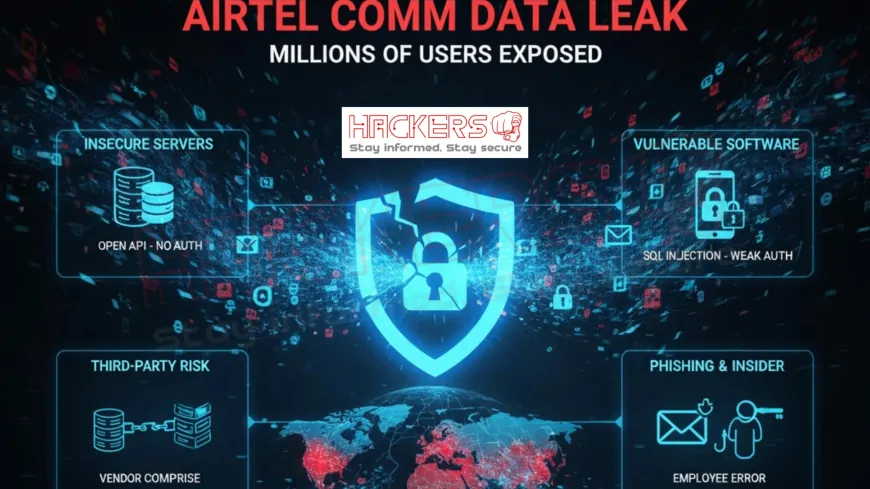
Table of Contents
- Airtel in India: A Telecom Giant Under Scrutiny
- The Discovery: A Flaw That Opened the Floodgates
- Understanding the API Vulnerability
- What Data Was at Risk and Why It Matters
- Airtel's Response: Patch, Deny, and Move On?
- The Ripple Effects: Scams, Identity Theft, and Trust Erosion
- Lessons from the Leak: How Telecoms Can Do Better
- Echoes in 2025: Recent Claims and Ongoing Concerns
- Conclusion
Airtel in India: A Telecom Giant Under Scrutiny
Bharti Airtel is more than a phone company. It's the lifeline for over 500 million customers across India, offering mobile plans, broadband, and digital payments. Founded in 1995, Airtel grew into a powerhouse, competing fiercely with Reliance Jio and Vodafone Idea. By 2019, it boasted 325 million subscribers, making it the third-largest operator behind Jio and Vi. Services like the MyAirtel app let users recharge, pay bills, and access exclusive deals, all from their phones.
But size brings risks. Telecoms handle rivers of personal data: names, addresses, Aadhaar numbers for verification, IMEI details for device tracking, and even email IDs for account recovery. In India, where Aadhaar links everything from banking to welfare, this data is gold for fraudsters. Airtel's scale made it a prime target, and the 2019 leak proved vulnerabilities lurk even in trusted apps.
India's telecom boom, fueled by cheap data and 4G/5G rollouts, amplified the stakes. By 2025, with over 1.1 billion mobile users, breaches like Airtel's underscore a harsh truth: connectivity is a double-edged sword. One flaw, and millions pay the price.
The Discovery: A Flaw That Opened the Floodgates
The story begins with Ehraz Ahmed, a Bengaluru-based security researcher. In late 2019, while testing apps for weaknesses, Ahmed stumbled upon something alarming in the MyAirtel app. He wrote a simple script to query the app's backend API: the behind-the-scenes system that lets the app talk to Airtel's servers. What he found chilled him: the API returned full user profiles without checking if the requester was authorized.
Ahmed didn't exploit it maliciously. Instead, he alerted Airtel's security team on November 29, 2019. But weeks passed with no response. Frustrated, he went public on December 7, blogging about the issue and even posting a video demo. The post went viral, forcing Airtel to act. By December 8, the company confirmed the flaw and said it was fixed.
This wasn't a sophisticated hack. It was a basic misconfiguration: the API lacked proper authentication, like leaving your front door unlocked in a busy neighborhood. Ahmed's discovery exposed how even giants can overlook simple protections, putting 300 million users at risk overnight.
Understanding the API Vulnerability
Let's break down the tech without the headache. An API, or Application Programming Interface, is like a waiter in a restaurant. It takes your order (a request from the app) to the kitchen (Airtel's servers) and brings back food (user data). In Airtel's case, the "waiter" wasn't checking IDs. Anyone with the app could send a request with a phone number and get back the linked profile.
The flaw was in a "testing API," meant for developers to build features. It should have been locked down or removed from production. Instead, it stayed live, responding to queries like:
- Enter a phone number: Get name, email, address.
- Add IMEI or Aadhaar: Pull even more sensitive bits.
- No login required: Just the app's public key.
For non-techies, imagine your bank's app letting anyone type your account number and see your balance. That's the scale. Ahmed's script fetched data in seconds, proving a hacker could scrape millions of records using bots. While no mass theft was confirmed, the potential was there: a gold rush for cybercriminals.
What Data Was at Risk and Why It Matters
The leak wasn't a full dump but a gateway to personal hell. Here's what could have been accessed:
| Data Type | What It Includes | Real-World Danger |
|---|---|---|
| Personal Identifiers | Name, phone, email, date of birth | Spam calls, phishing tailored to your life |
| Government IDs | Aadhaar numbers, addresses | Identity theft, fake loans in your name |
| Device Info | IMEI numbers, service status | Tracking your location, cloning SIMs |
| Financial Links | Linked bank details, recharge history | Fraudulent transactions, account takeovers |
| Profile Extras | Father's name, gender, nationality | Social engineering, targeted harassment |
Aadhaar deserves special mention. As India's 12-digit unique ID, it's tied to subsidies, passports, and PAN cards. Leaked, it enables deepfakes or fake identities. In 2019, with no major breach confirmed, the risk was theoretical. But by 2025, recycled data from such flaws fuels scams, as seen in rising fraud reports.
Airtel's Response: Patch, Deny, and Move On?
Airtel moved fast post-exposure. On December 8, 2019, they tweeted: "A technical issue in one of our testing APIs was addressed as soon as it was brought to our notice." They emphasized secure platforms and thanked Ahmed privately. No customer notification, though: Indian law didn't mandate it then.
Critics called it damage control. Why the delay in fixing after Ahmed's alert? And why no transparency on affected users? Airtel stood by "no data was leaked," focusing on the patch. In later incidents, like 2021's 2.5 million record dump (denied as non-breach) and 2024's dark web claims (labeled old data), the pattern repeated: investigate, deny, reassure.
By 2025, Airtel invests in AI monitoring and zero-trust models. But the 2019 leak lingers as a reminder: quick fixes don't erase trust gaps.
The Ripple Effects: Scams, Identity Theft, and Trust Erosion
Even without confirmed theft, the leak's shadow grew long. Users like Priya faced personalized scams: calls using leaked details to build rapport. Aadhaar exposure risked biometric fraud, where hackers pair numbers with stolen fingerprints.
Economically, breaches cost India ₹21,000 crore yearly in fraud. Telecom leaks amplify this: SIM cloning from IMEIs enables bank hacks. Socially, women and rural users suffer harassment from exposed addresses. Trust? A 2020 survey showed 40 percent of Indians wary of sharing data post-Airtel.
Globally, similar leaks (Equifax 2017, 147 million affected) show patterns: initial denial, regulatory probes, class actions. In India, the Personal Data Protection Bill (now DPDP Act 2023) was spurred partly by such events, mandating breach reports within 72 hours.
Lessons from the Leak: How Telecoms Can Do Better
The Airtel saga offers blueprints for safety:
- Secure APIs Early: Use authentication like OAuth; audit before launch.
- Respond Transparently: Notify users promptly; explain fixes.
- Train Teams: Bug bounties reward researchers like Ahmed.
- Encrypt Everything: Hash IDs; limit data retention.
- Monitor Actively: AI tools spot anomalies pre-breach.
- Collaborate: Share intel via CERT-In; push for stronger laws.
For users: Use unique passwords, enable 2FA, monitor accounts. Apps like Have I Been Pwned? check leaks. Telecoms must lead: Jio's encrypted APIs set a bar Airtel now chases.
Echoes in 2025: Recent Claims and Ongoing Concerns
Fast-forward to 2025: the 2019 ghost haunts. In July 2024, hacker "xenZen" claimed 375 million records for sale on BreachForums, including updated Aadhaars.
Yet, patterns persist. 2021's Red Rabbit dump of 2.5 million records (denied by Airtel) showed web shells exploiting servers.
In this context, the 2019 leak isn't history: it's a warning. As India digitizes, vigilance is key.
Conclusion
The Airtel data leak of 2019 was a wake-up call disguised as a glitch. A simple API flaw exposed millions to risks that still echo in scams and eroded trust five years later. It showed how telecom giants, guardians of our digital lives, can falter on basics: secure code, swift alerts, user care.
Yet, hope lies in action. Airtel patched, learned, and invested. Users can protect themselves with vigilance. Regulators push boundaries with new laws. Together, we can turn leaks into lessons, ensuring connectivity builds security, not shadows. The next call shouldn't be from a scammer knowing your secrets. Let's make sure of it.
What was the Airtel data leak?
It was a 2019 vulnerability in the MyAirtel app's API that exposed personal details of up to 300 million users.
How many users were affected?
Potentially 300 to 320 million, though no mass data theft was confirmed.
What caused the leak?
A misconfigured testing API that didn't verify user requests, allowing anyone to query profiles.
Was data actually stolen?
No confirmed theft, but the flaw allowed easy access, raising fears of exploitation.
What personal data was at risk?
Names, phone numbers, emails, Aadhaar, addresses, IMEI, and more.
Who discovered the flaw?
Security researcher Ehraz Ahmed from Bengaluru.
How did Airtel respond?
They patched the API within days and stated no data was leaked.
Why is Aadhaar exposure dangerous?
It links to banking and government services, enabling identity theft.
Did the leak lead to scams?
Yes, recycled data fueled personalized fraud calls and phishing.
What is an API vulnerability?
A flaw in the app-server link that skips security checks.
Has Airtel had other leaks?
Claims in 2021 and 2024 were denied as old or fake data.
What laws cover this in India?
The DPDP Act 2023 mandates breach reporting and fines.
How can users check if leaked?
Use sites like Have I Been Pwned? or monitor credit reports.
Did Airtel notify users?
No, as Indian law didn't require it in 2019.
What lessons for telecoms?
Audit APIs, use encryption, train on security.
Is 5G safer post-leak?
It can be, with better standards, but risks grow with complexity.
Why deny recent claims?
Airtel says they're old data repackaged to damage reputation.
How to protect yourself?
Use 2FA, unique passwords, avoid sharing Aadhaar casually.
What role did researchers play?
Ahmed's alert forced a fix; bounties encourage such vigilance.
Will breaches stop?
Not likely, but better practices reduce risks.
What's Your Reaction?