









Why the 1980s Are Called the Birth Era of Modern Cybersecurity
Think about the 1980s for a moment. Big hair, neon clothes, cassette tapes, and personal computers suddenly appearing in homes and schools. Most people saw those glowing screens as toys or fancy typewriters. A few teenagers and curious programmers saw something else: a playground with almost no rules. Within ten short years, the first real computer viruses appeared, the first worms brought networks to their knees, the first antivirus companies were born, and governments passed the first hacking laws. By 1989, cybersecurity was no longer a vague idea. It was a necessity, an industry, and a career. This blog post explains exactly why the 1980s deserve the title “Birth Era of Modern Cybersecurity.” Even if you were not alive back then, you will recognize many of the tools and habits we still use today.
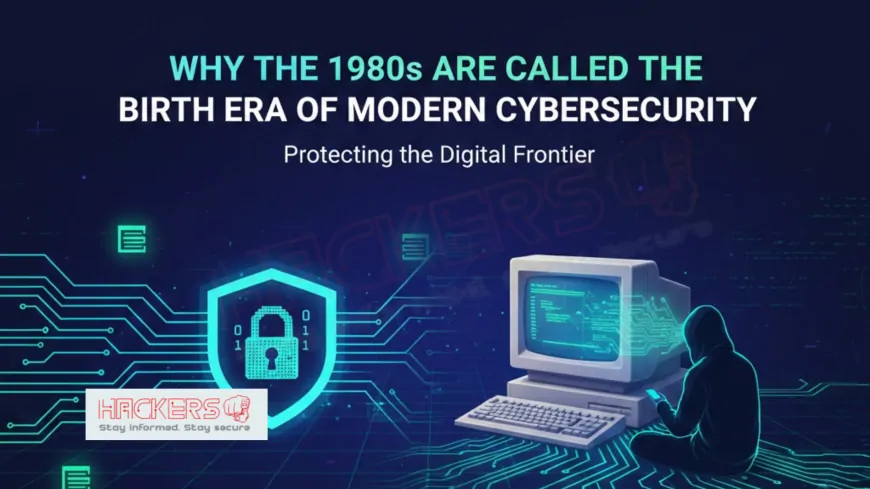
Table of Contents
- Personal Computers Arrive in Homes and Schools
- The First Real Viruses Hit the Wild
- 1986: The Brain Virus Goes Global
- 1988: The Morris Worm Shocks the World
- The Antivirus Industry Is Born Overnight
- Teenage Hackers Make Headlines
- Governments Finally Pass Hacking Laws
- A Permanent Culture Shift in Computing
- Timeline Table: The 1980s Cybersecurity Milestones
- Conclusion
- Frequently Asked Questions
Personal Computers Arrive in Homes and Schools
Before 1980, computers were giant machines owned by governments, universities, and big corporations. Ordinary people almost never touched them. Then came the Apple II (1977), the IBM PC (1981), and the Commodore 64 (1982). Suddenly millions of homes, schools, and small businesses had computers. Kids learned to code in BASIC, and people swapped programs on floppy disks the way we share memes today. With no internet yet, the main way software spread was by handing someone a physical disk. That simple, but perfect for viruses.
The First Real Viruses Hit the Wild
Early viruses were often written as pranks or experiments:
- Elk Cloner (1982) – Spread on Apple II disks and displayed a poem, considered the first virus “in the wild.”
- ©Brain (1986) – The first IBM PC virus, created by two brothers in Pakistan to protect their medical software.
- Jerusalem (1987) – Deleted programs on Friday the 13th, one of the first truly destructive viruses.
- Vienna (1987) – Corrupted executable files, but someone quickly wrote a remover for it. ul>
These were not state-sponsored attacks. They were mostly teenagers showing off or trying to protect their own code. Yet they proved that malicious code could spread fast when millions of machines were sharing disks.
1986: The Brain Virus Goes Global
The Brain virus (also called Pakistani Brain) is special because it was the first to spread widely on IBM-compatible PCs. Created by Basit and Amjad Farooq Alvi, it only changed the volume label of floppy disks to “©Brain” and slowed boot time. The brothers even included their names, address, and phone numbers in the code, offering to “vaccinate” disks if people called them. It spread to thousands of computers worldwide simply because people copied disks without checking. Brain showed that viruses could travel globally even without the internet.
1988: The Morris Worm Shocks the World
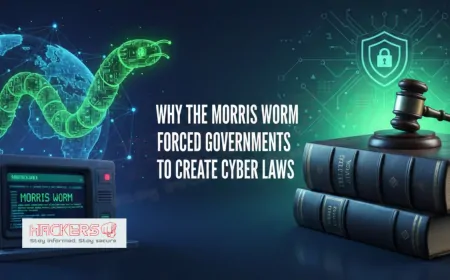
On November 2, 1988, Cornell graduate student Robert Tappan Morris released a program meant to measure the size of the young internet. A coding mistake made it replicate far too fast. Within hours it infected about 10% of all internet-connected computers (around 6,000 machines), slowing many to a crawl. Cleanup cost millions of dollars. This was the first major internet worm, and it changed everything:
- The first Computer Emergency Response Team (CERT) was created weeks later.
- Universities and companies realized they needed full-time security staff.
- The public finally understood that the internet could be dangerous. ul>
The Antivirus Industry Is Born Overnight
Before 1987, almost no one sold antivirus software. Then:
- 1987 – John McAfee founded McAfee Associates and released VirusScan (first commercial antivirus).
- 1988 – Peter Norton created Norton Antivirus after seeing demand explode.
- 1989 – Friðrik Skúlason in Iceland started F-PROT, and Dr. Alan Solomon launched Dr Solomon’s in the UK. ul>
By 1990, buying antivirus software was as normal as buying a printer. The industry that protects us today started in the 1980s.
Teenage Hackers Make Headlines
The 1980s gave us the stereotype of the bedroom hacker:
- 1983 – The “414s” (a group of Milwaukee teenagers) broke into dozens of systems, including Los Alamos labs.
- 1986 – German hacker Markus Hess was caught selling secrets to the KGB after accessing U.S. military networks.
- Kevin Mitnick’s legendary phone and computer hacks began in the early 1980s.
These stories filled newspapers and inspired the movie WarGames (1983), which scared governments into action.
Governments Finally Pass Hacking Laws
Before the 1980s, most countries had no laws against computer crime. That changed fast:
- 1984 – U.S. passed the Counterfeit Access Device and Computer Fraud and Abuse Act.
- 1986 – U.S. Computer Fraud and Abuse Act (CFAA) became the main federal hacking law still used today.
- 1989 – UK, Germany, and others created similar laws. ul>
A Permanent Culture Shift in Computing
By the end of the 1980s:
- People stopped sharing every floppy disk blindly.
- Companies started asking “Is this software safe?” before installing it.
- Universities added computer security courses.
- The word “virus” entered everyday language. ul>
The innocent, trusting computing world of the 1970s was gone forever.
Timeline Table: The 1980s Cybersecurity Milestones
| Year | Event | Why It Mattered |
|---|---|---|
| 1982 | Elk Cloner | First virus seen outside labs (Apple II) |
| 1983 | WarGames movie & 414s | Public learned hacking was real |
| 1986 | Brain virus | First widespread PC virus |
| 1987 | Jerusalem & Vienna viruses | First destructive viruses |
| 1987 | McAfee VirusScan released | First commercial antivirus |
| 1988 | Morris Worm | First major internet worm, led to CERT creation |
| 1988 | Norton Antivirus launched | Antivirus becomes mainstream |
Conclusion
The 1980s took us from a world where “computer virus” sounded like science fiction to a world where antivirus software sat on every desk. Personal computers, floppy disks, and a young internet gave curious minds the perfect playground. Their experiments, pranks, and mistakes created the first real threats, and the rapid response created the first real defenses. Laws, companies, careers, and habits we still used today were all born in that single decade. That is why historians and security experts agree: modern cybersecurity was not born in the 1990s with the web, nor in the 2000s with ransomware. It was born in the colorful, chaotic, wonderful 1980s.
What was the first computer virus of the 1980s?
Elk Cloner in 1982, written by a 15-year-old for the Apple II.
Why is the Brain virus famous?
It was the first widespread IBM PC virus and even included the authors' contact details.
Who released the Morris Worm?
Robert Tappan Morris, a Cornell student, in 1988.
What did the Morris Worm do?
It spread uncontrollably and slowed thousands of computers, costing millions to clean up.
When was the first antivirus company founded?
1987, when John McAfee started McAfee Associates.
Was antivirus software free in the 1980s?
Many early tools were shareware (pay if you like it), but paid versions quickly became normal.
Who were the 414s?
A group of Milwaukee teenagers who hacked dozens of systems in 1983.
What movie made people scared of hacking?
WarGames (1983) showed a teenager almost starting a nuclear war.
When did the U.S. make hacking illegal?
The Computer Fraud and Abuse Act was strengthened in 1986.
Did viruses spread without the internet in the 1980s?
Yes, mainly through floppy disks shared at schools and computer clubs.
Was Kevin Mitnick active in the 1980s?
Yes, his famous hacking career started in the early 1980s.
What is a computer worm vs virus?
A worm spreads by itself over networks; a virus needs a host file and human help.
Why do we say the 1980s “birthed” cybersecurity?
Because the first viruses, first antivirus companies, first laws, and first public awareness all happened then.
Was the internet big in the 1980s?
No, only universities and research labs used it; home users swapped disks.
Did people buy antivirus disks in stores?
By 1988–1989, yes, they were sold next to games in computer shops.
What lesson did the 1980s teach us?
Never assume software is safe just because a friend gave it to you.
Is any 1980s antivirus still around?
McAfee and Norton are still major players today.
Why were floppy disks so dangerous?
People copied games and programs freely without scanning them.
Did the 1980s have ransomware?
Almost, the 1989 AIDS Trojan asked for payment, but ransomware exploded later.
What should we remember from the 1980s?
Security must grow with technology, or chaos follows quickly.
What's Your Reaction?