





Why Is Digital Identity Becoming the Next Cyber Battleground?
Last year a 22-year-old in Florida opened his banking app and saw $340,000 missing. He had never lost his phone. He had never clicked a phishing link. The criminal simply walked into a T-Mobile store with a fake ID, convinced the clerk he was the victim, and took over the phone number. Ten minutes later the bank account was empty. The victim’s password was 20 characters long and unique. It did not matter. The attacker owned his digital identity. Welcome to 2025. Passwords are dying, but identity theft is exploding. Every government, bank, and social media platform is racing to control “who you are online,” because whoever controls digital identity controls money, votes, healthcare, and freedom. This post explains, in plain language, why digital identity is now the biggest prize in cybersecurity and what it means for all of us.
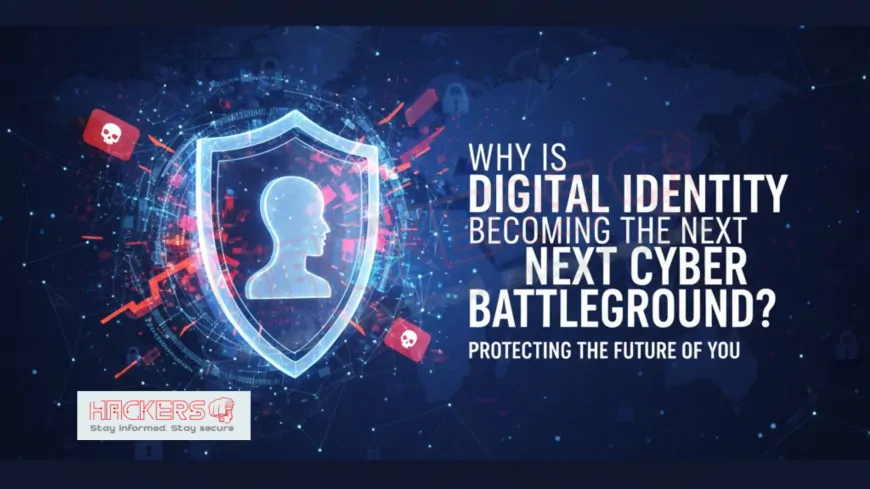
Table of Contents
What Digital Identity Actually Means Today
Your digital identity is everything that proves you are you online:
- Email address and phone number
- Government ID numbers (SSN, passport)
- Biometrics (face, fingerprint, voice)
- Passwords, security questions, and recovery codes
- Device fingerprints and behavioral patterns
- Social media profiles and reputation scores
Why Identity Is Suddenly the Hottest Target
- Everything is online: banking, taxes, medical records, voting, jobs
- Passwords are broken → attackers moved “upstream” to the identity itself
- SIM swapping, SSN leaks, and deepfake IDs are now cheap and easy
- One stolen identity = lifetime access to dozens of accounts
- Criminals can monetize identity faster than ransomware (sell on dark web in hours)
The New Identity Attack Playbook (2025 Edition)
| Attack Type | How It Works | Cost to Attacker | Success Rate | |
|---|---|---|---|---|
| SIM swapping | Bribe or social-engineer carrier employee | $200–$500 | High | |
| SSN/DOB dox packages | Buy leaked data on dark web | $5–$50 | Very High | |
| Deepfake video KYC bypass | Fake live video call with stolen ID photo | $1,000–$3,000 | Growing fast | |
| Account takeover bots | Automated credential stuffing + MFA fatigue | Almost free | 50%+ on weak sites | |
| Government ID forgery | Photoshop + deepfake liveness | $300–$2,000 | Increasing |
The Shocking Numbers
- Over 15 billion stolen credentials circulating in 2025 (mostly from old breaches)
- Identity theft complaints up 400% since 2019 (U.S. FTC)
- Average loss per successful takeover: $43,000 (banking) to $120,000 (crypto)
- 80% of breaches now start with compromised identity, not malware (Verizon 2025)
Who Is Fighting Over Your Identity
- Criminals → quick cash
- Nation-states → espionage and influence operations
- Big Tech (Apple, Google, Microsoft) → pushing passkeys and device-bound identity
- Governments → building national digital ID systems (India Aadhaar, EU eIDAS 2.0)
- Banks and fintech → trying to own financial identity
- Social media → reputation and attention as new identity
The Future: Passkeys, Government IDs, and Biometrics
- Passkeys (FIDO2) are winning → already default on iPhone, Android, Windows
- Governments want single digital ID for everything (taxes, voting, healthcare)
- Biometric liveness detection is getting scarily good (and scary to spoof)
- Decentralized identity (self-sovereign) promises “you own your data” but adoption is slow
How to Protect Your Digital Self Today
- Use passkeys everywhere they are offered (Google, Microsoft, PayPal, etc.)
- Freeze your credit reports (free in most countries)
- Use a phone carrier PIN or “port-out protection”
- Never reuse passwords – use a password manager
- Turn on “number matching” or hardware key MFA
- Use a separate email for banking/government that never gets marketing
- Remove personal info from data brokers (DeleteMe, Incogni, Optery)
- Watch for deepfake red flags (weird blinking, lighting, audio sync)
Conclusion
We are moving from “something you know” (passwords) to “something you are” (biometrics) and “something you have” (secure device). That shift will make life harder for casual criminals but create massive new risks if the core identity itself is stolen early.
The next five years will decide whether digital identity becomes a tool for freedom or the biggest surveillance and crime wave in history. The good news? You still have time to take control. Start with passkeys, lock down your phone number, and treat your identity like the keys to your entire life. Because in 2025, it literally is.
What is digital identity?
Everything that proves you are you online: email, phone, ID numbers, biometrics, and device signals.
Why are passwords not enough anymore?
Because attackers steal the identity behind the password, not just the password itself.
Is SIM swapping still a thing in 2025?
Yes, and it is easier than ever in many countries.
Are passkeys really safer?
Yes. They are mathematically immune to phishing and credential stuffing.
Should I trust government digital IDs?
They are convenient but become a single point of failure if breached.
Can someone steal my face?
Photos yes, live biometrics much harder, but deepfakes are improving fast.
Why do criminals love identity theft?
One good identity can be worth $1,000–$10,000 on the black market.
Will biometrics end identity theft?
No. They just move the attack to liveness detection and device security.
Is decentralized identity the answer?
It could be, but adoption is still tiny outside crypto communities.
Can I remove my data from the internet?
Not completely, but services like DeleteMe can remove it from most data brokers.
Do I need a hardware security key?
Yes for high-value accounts (banking, crypto, email). They cost $20–$50.
Why do banks still use SMS 2FA?
Cheap and easy, but many are finally switching to app or key-based.
Is my driver’s license photo safe?
No. Many state DMVs have been breached or sell data legally.
Will Apple/Google control identity?
They are trying. Passkeys live in their ecosystems first.
Can deepfakes open my bank account?
Already happening in some countries with weak KYC checks.
Is identity theft worse than ransomware?
Often yes, because recovery takes years and affects every part of life.
Should I freeze my credit?
Yes. It is free and stops new accounts in your name.
Can I use a fake name online?
For casual browsing yes, but real-name policies are spreading.
Is this problem going to get better or worse?
Worse before better. Expect major identity crises in 2026–2028.
What is the single best thing I can do today?
Enable passkeys on every account that offers them and buy one hardware key.
What's Your Reaction?