































Why Are Private Blockchains Becoming Popular in Enterprise Security?
In today's fast-paced digital world, businesses face constant threats from cyberattacks and data breaches. Just think about the major incidents in recent years, where hackers stole sensitive information from big companies, costing billions in damages and lost trust. As we move into 2025, enterprises are looking for better ways to protect their data and operations. One technology standing out is the private blockchain. Unlike public blockchains that anyone can join, private ones are controlled by a single organization or a group of trusted partners. They offer a secure, efficient way to handle information, and that is why more companies are adopting them for security purposes. Private blockchains combine the best parts of traditional databases with the unbreakable features of blockchain technology. They allow businesses to keep data private while ensuring it cannot be tampered with. This shift is not just a trend; it is a response to growing concerns over privacy laws, cyber threats, and the need for reliable systems. In this blog post, we will explore why private blockchains are gaining traction in enterprise security. We will break it down into simple terms, so even if you are new to the topic, you can follow along. By the end, you will see how this technology is changing the game for businesses worldwide.
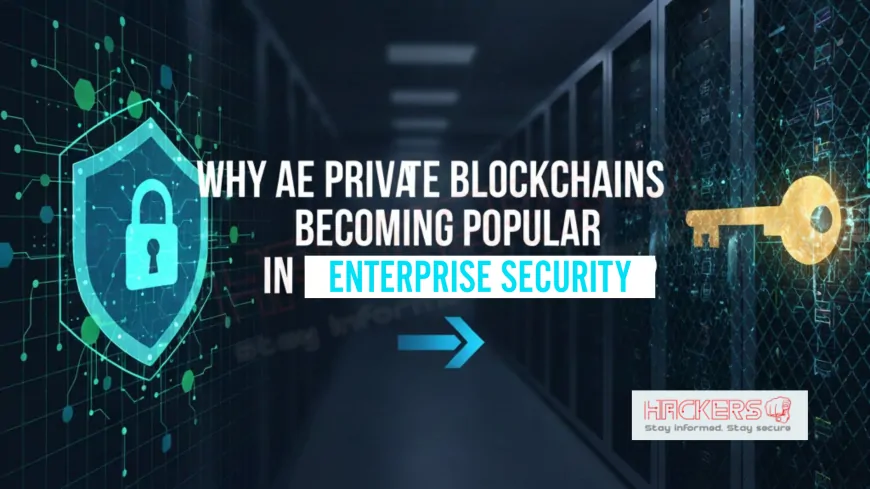
Table of Contents
- What Is a Private Blockchain?
- Differences Between Private and Public Blockchains
- Key Reasons for Their Popularity in Enterprise Security
- Real-World Use Cases
- Challenges and Limitations
- Future Trends
- Conclusion
- Frequently Asked Questions
What Is a Private Blockchain?
A blockchain is basically a digital ledger that records transactions in a way that is secure and transparent. It is like a chain of blocks, where each block holds data and links to the previous one. This makes it hard to change information without everyone noticing. Now, a private blockchain is a type of blockchain that is not open to the public. Only authorized people or organizations can access it and add data.
In simple terms, think of a public blockchain like Bitcoin as a public park where anyone can enter. A private blockchain is more like a members-only club, where you need permission to get in. This control is key for enterprises, which are large businesses that handle sensitive information like financial records or customer data. Private blockchains use the same core ideas as public ones, such as immutability, which means once data is added, it cannot be altered, and decentralization, but in a controlled way.
Enterprises set up private blockchains to meet their specific needs. They can customize rules, decide who participates, and integrate it with existing systems. This flexibility makes them appealing for security-focused applications. For example, a company might use one to track internal transactions without exposing details to outsiders. As cyber threats evolve, private blockchains provide a robust layer of protection that traditional systems often lack.
Differences Between Private and Public Blockchains
To understand why private blockchains are popular, it helps to compare them with public ones. Public blockchains, like Ethereum or Bitcoin, are open to anyone with an internet connection. They rely on a large network of users to validate transactions, which makes them very secure but also slow and resource-intensive.
Private blockchains, on the other hand, are permissioned. This means participants must be approved, leading to faster processing and lower costs. They do not need massive computing power because the network is smaller and trusted. However, they might be less decentralized since control is in fewer hands.
Here is a table summarizing the main differences:
| Feature | Public Blockchain | Private Blockchain |
|---|---|---|
| Access | Open to anyone | Restricted to authorized users |
| Speed | Slower due to large network | Faster with fewer nodes |
| Privacy | Transactions visible to all | Data kept confidential |
| Cost | Higher transaction fees | Lower operational costs |
| Security | High through decentralization | High with added control and encryption |
These differences make private blockchains a better fit for enterprises that prioritize security and efficiency over open participation.
Key Reasons for Their Popularity in Enterprise Security
Now, let's dive into why private blockchains are becoming a go-to choice for enterprise security. The rise in cyberattacks has pushed companies to seek stronger defenses. Private blockchains address this by offering several key benefits.
First, enhanced privacy and data protection. In a private blockchain, only approved users can see or add data. This is crucial for industries like finance or healthcare, where sensitive information must stay confidential. Unlike public blockchains, where transactions are visible to everyone, private ones use encryption to keep data secure.
Second, improved control and governance. Enterprises can set their own rules for who joins and what they can do. This reduces the risk of unauthorized access. If a problem arises, administrators can quickly respond, something harder in public networks. This control also allows for better auditing, as every action is recorded immutably.
Third, scalability and efficiency. Public blockchains can get congested, leading to slow transactions. Private ones, with fewer participants, handle high volumes quickly and at lower costs.
Fourth, integration with smart contracts. These are self-executing agreements coded into the blockchain. In a private setting, they automate processes safely, reducing human error and fraud. For example, a contract could release payment only when goods are delivered, all tracked securely.
Fifth, customization for specific needs. Companies can tailor the blockchain to fit their operations, adding features like advanced encryption or integration with existing software.
Overall, these reasons show how private blockchains provide a balanced approach to security, combining innovation with practical controls.
Real-World Use Cases
Private blockchains are not just theory; they are in use across industries. Let's look at some examples.
In supply chain management, companies like Walmart use private blockchains with IBM to track food from farm to store.
In finance, JPMorgan's JPM Coin runs on a private blockchain for instant payments between clients.
Healthcare sees private blockchains for patient records. They allow secure sharing among doctors while keeping data private, complying with laws and preventing breaches.
In real estate, they streamline property transfers, reducing paperwork and fraud risks.
These cases demonstrate how private blockchains solve real security problems in enterprises.
Challenges and Limitations
While promising, private blockchains have hurdles. Integration with old systems can be complex and costly.
Security risks still exist, like vulnerabilities in code or insider threats. Though private, they are not immune to attacks.
Regulatory issues vary by country, complicating global operations. Scalability might suffer if the network grows too large without proper design.
Despite these, solutions like better tools and training are emerging to address them.
Future Trends
Looking ahead to 2025 and beyond, private blockchains will evolve. More enterprises will adopt them for secure collaboration.
Interoperability between blockchains will improve, allowing secure data sharing across networks.
Governments may set standards, boosting adoption. Overall, private blockchains will play a bigger role in enterprise security.
Conclusion
Private blockchains are rising in popularity for enterprise security because they offer privacy, control, efficiency, and customization that public ones cannot match. They help businesses protect data, comply with laws, and operate smoothly amid growing threats. While challenges exist, the benefits outweigh them for many. As technology advances, expect even more adoption. If you are in business, considering a private blockchain could be a smart move for your security needs.
Frequently Asked Questions
What is a private blockchain?
A private blockchain is a permissioned network where only authorized users can access and add data, unlike public ones open to all.
How does it differ from a public blockchain?
Private blockchains are restricted, faster, and more private, while public ones are open and more decentralized.
Why do enterprises prefer private blockchains?
They provide better control, privacy, and efficiency for handling sensitive business data.
What are the security benefits?
They use encryption and immutability to protect data from tampering and unauthorized access.
Can private blockchains help with compliance?
Yes, they allow custom rules to meet regulations like GDPR or HIPAA.
Are they scalable for large businesses?
Yes, with fewer nodes, they handle high transaction volumes quickly.
What industries use them?
Finance, healthcare, supply chain, real estate, and media.
How do smart contracts fit in?
They automate processes securely within the private network.
What is immutability?
It means once data is added, it cannot be changed without detection.
Are there costs involved?
Setup can be expensive, but they save money long-term by reducing fraud and errors.
What challenges do they face?
Integration with old systems, skill shortages, and potential vulnerabilities.
Can they integrate with existing software?
Yes, they can be customized to work with current enterprise tools.
Is data really private?
Yes, only approved participants see it, unlike public blockchains.
What about cyberattacks?
They are harder to attack due to restricted access and strong encryption.
How fast are transactions?
Much faster than public blockchains, suitable for business needs.
Do they use less energy?
Yes, since they do not require massive mining like public ones.
What is a consortium blockchain?
A type of private blockchain shared among a group of organizations.
Will they become more common?
Yes, trends show increasing adoption in 2025 and beyond.
Can small businesses use them?
Yes, but they are more common in large enterprises due to setup complexity.
How to get started?
Consult experts or use platforms like Hyperledger for implementation.
What's Your Reaction?