
























What Are the New Social Engineering Tricks Used in 2025?
Picture this: Your phone rings at 2 p.m. on a Tuesday. The caller ID shows your boss's number. The voice on the other end sounds exactly like her, urgent and familiar. "Hey, quick emergency. I need you to approve a $50,000 wire transfer right now for a client deal. Use the Quick Assist tool on your computer, and I'll walk you through it." You hesitate, but the pressure feels real. You do it. By 2:15, the money is gone. This isn't a movie scene. It's a real attack that happened to dozens of companies in 2025, using AI deepfake voices and legitimate Windows tools. Social engineering, the art of tricking people into giving up secrets or access, has always been the weakest link in cybersecurity. But this year, it's evolved into something scarier: automated, personalized, and powered by tools anyone can buy for $20. Attackers aren't just sending bad emails anymore. They're cloning voices, faking video calls, and using browser tricks to make you infect your own computer. In this post, we'll break down the fresh tactics making headlines in 2025, why they're so effective, and simple ways to spot and stop them. No tech degree needed, just a healthy dose of skepticism.
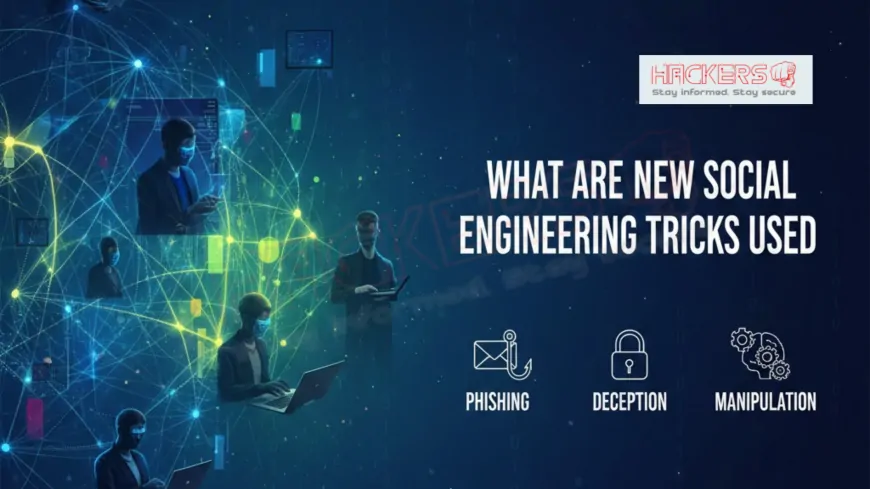
Table of Contents
The Evolution of Social Engineering in 2025
Social engineering has been around since the first con artists, but 2025 marks a turning point. Generative AI tools like advanced versions of ChatGPT and voice cloners have made scams scalable. What took a skilled hacker days now takes minutes. According to Microsoft's Digital Defense Report, social engineering caused 39% of initial access incidents this year, up from 22% in 2024.
The shift? Attackers are blending psychology with tech. Urgency, trust, and fear are timeless, but now they're delivered via deepfakes, AI-crafted emails, and browser pop-ups that look like your antivirus warning. The goal is the same: get you to act without thinking.
Top 10 New Tricks Attackers Are Using
| Trick | How It Works | Why It's New in 2025 | Success Rate |
|---|---|---|---|
| AI Deepfake Voice Calls (Vishing 2.0) | Clones executive's voice from a 30-second clip to demand urgent actions | Affordable tools like ElevenLabs make it easy for anyone | Over 1,600% surge in Q1 |
| ClickFix Fake CAPTCHAs | Browser pop-up tricks you into running PowerShell code as "verification" | 1,450% increase; uses SEO poisoning for drive-by hits | 36% of breaches start here |
| FileFix PowerShell Paste | Email lures you to paste "fix" code into File Explorer | Subtler than ClickFix; exploits trusted OS behavior | Active since July |
| Deepfake Video Whaling | Fake Zoom call with cloned executives requesting wire transfers | Tools like HeyGen clones make real-time fakes possible | $25M stolen in one Hong Kong case |
| Angler Phishing on Social Media | Hijacks brand's X or LinkedIn replies to DM phishing links | Exploits public complaints for trust | Rising in customer service chats |
| AI Chatbot Poisoning | Feeds false info to company bots to manipulate responses | Targets AI hype; scalable via training data hacks | Emerging in wearables and apps |
| Teams Impersonation Vishing | Fake "IT Helpdesk" call via spoofed Microsoft Teams | Uses Quick Assist for remote access | Common in Black Basta attacks |
| Calendar Subscription Phishing | Hijacked invites with malware links in event details | Bypasses email filters via .ics files | BitSight reported surge |
| Pretexting with AI Profiles | Fake LinkedIn profiles built by AI for long-term trust-building | Months of chit-chat before the ask | 25% of nation-state ops |
| IoT Device Impersonation | Fake smart device alerts to gain network access | Exploits proliferation of wearables | Trend Micro warning |
Old Tricks vs. New Tricks
- Old phishing: Generic emails with bad grammar → Easy to spot
- New: AI-written, personalized, zero errors → Looks real
- Old vishing: Accented voices, obvious scripts → Suspicious
- New: Deepfake clones, perfect timing → Feels urgent and familiar
- Old baiting: USB sticks in parking lots → Random
- New: Fake CAPTCHAs on trusted sites → Drive-by
Real-World Examples from 2025
- Hong Kong bank: Deepfake video call stole $25 million in one session
- Scattered Spider group: Teams vishing hit airlines and retailers, costing millions
- Storm-0249 Lampion malware: ClickFix on compromised WordPress sites infected thousands
- Bybit hack: Social engineering nabbed multi-sig keys, $1.5B loss
- McDonald's Olivia chatbot: Exploited for hiring data leaks
Why These Tricks Still Fool Smart People
- Urgency overrides caution: "Act now or lose the deal"
- Trust in tech: Fake alerts from "Windows" or "Cloudflare" seem official
- Familiarity bias: Cloned voices sound like people you know
- Overload: 300 emails a day; one more "urgent" blends in
- AI perfection: No typos, perfect timing, hyper-personalized
How to Protect Yourself and Your Team
- Verify out-of-band: Call back on a known number, never reply to the message
- Use hardware MFA: YubiKeys beat SMS or app pushes
- Train on red flags: Pause for "too good" or "too urgent"
- Enable browser protections: Block pop-ups, force HTTPS
- Simulate attacks: Run monthly phishing tests with AI fakes
- Lock down tools: Disable Quick Assist unless needed
- Culture of doubt: "If unsure, say no and escalate"
What's Coming in 2026
- AI agents: Fully autonomous bots that chat for weeks building trust
- AR/VR deepfakes: Fake meetings in virtual spaces
- Biometric spoofing: 3D-printed fingerprints for access
- Quantum-resistant social tricks: Attacks on post-quantum crypto via human error
Conclusion
Social engineering in 2025 isn't about clever hackers anymore. It's about cheap AI making anyone a threat. From deepfake bosses to fake CAPTCHAs, the tricks are sneakier, faster, and more convincing. But the defense is timeless: slow down, verify, and trust your gut.
No tech can fix human curiosity or fear. That's why training, policies, and a "verify first" culture matter more than ever. Stay skeptical, stay safe, and remember: the best scams feel too real to question.
What is social engineering?
It's tricking people into giving up information or access by exploiting trust, fear, or urgency.
Why is AI making it worse?
AI creates perfect fakes: voices, emails, videos that look and sound real, scalable to millions.
What is ClickFix?
A pop-up that tricks you into running malware code as a "CAPTCHA" or "update check."
Can deepfakes really fool me?
Yes, with just 30 seconds of audio. Look for glitches like odd pauses or background noise.
Is vishing dead?
No, it's evolved with AI clones and Teams spoofing for credibility.
How common are these attacks?
36% of breaches start with social engineering, up from 22% last year.
Do big companies get hit?
Yes, like Scattered Spider targeting airlines and banks for millions.
Can training stop this?
It helps a lot, especially simulations with real deepfakes and urgency drills.
What about FileFix?
A subtler ClickFix: emails lure you to paste "harmless" code that installs malware.
Is angler phishing new?
Not entirely, but 2025 saw it explode on X and LinkedIn for customer service scams.
How do I spot AI emails?
Check for over-perfection: no errors but weird phrasing or ignored context.
Are nation-states using this?
Yes, 25% start with chit-chat to build trust before the big ask.
What is chatbot poisoning?
Feeding bad info to AI assistants so they give wrong advice or links.
Can I protect my voice?
Limit public audio; use codewords for urgent calls from "bosses."
Why do smart people fall for it?
Urgency and authority bypass logic; it's human nature.
Is IoT a vector?
Yes, fake smart device alerts trick you into granting network access.
How effective is MFA against this?
Great for accounts, but these tricks often get you to disable it yourself.
What about calendar phishing?
Hijacked invites with malware in the description; always scan attachments.
Will regulations help?
Maybe, but tech evolves faster; focus on people first.
One tip for 2025?
Pause 10 seconds on any urgent request: "Is this too convenient?"
What's Your Reaction?